Software
Houzz Logo Print
josephmarie_chavez

Urgent hydrangea help

11 years ago
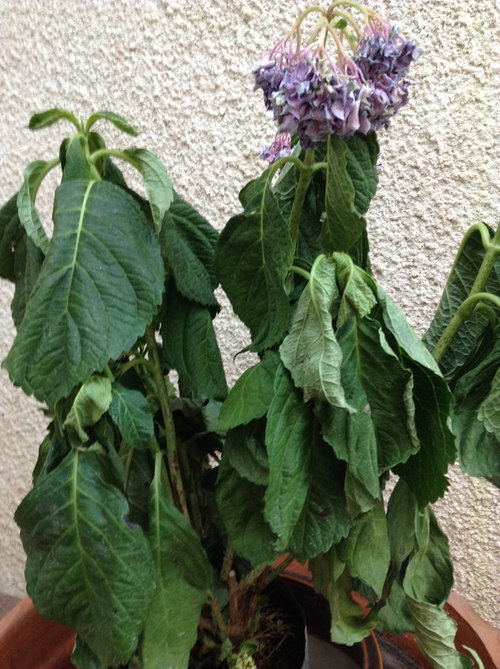
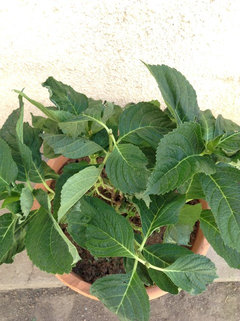
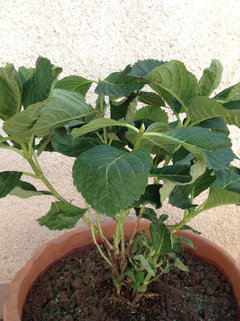
Yesterday I bought a healthy and sturdy hydrangea bush at a local nursery. I left it near a south-facing window and as soon as I come back from school I find out that what used to be a lovely plant now is a wilting bunch of droopy leaves... I live in the neighbor international city to El Paso, Texas, Ciudad Juarez, which I think is in the 8a zone, and I'd love that you could tell me if it has a chance of surviving since it looks pretty bad and if it has, what should I do???

Comments (11)

  • 11 years ago
    last modified: 11 years ago

    Looks like transplant shock on a newly planted hydrangea.Hydrangeas like some soil moisture and areas that are not windy. On their first summer, it is common for them to wilt as you see. Make sure that the soil is moist but not wet. Choose a location where it gets sun in the morning and shade starting at 11am or so. Then make sure the location is not windy. Normally, when they wilt like this, they can recover on their own by nightfall or by the next morning. If they have not recovered by then, they need additional moisture. I find that starting in May, I have to provide more water than in the early Spring and then by July-August they need another boost. I keep my hydrangeas planted in the ground but locations that get too much sun will warm up the pot too much so make sure you find a spot where they get 2-4 hours of sun. And feel free to relocate it if the location gets too sunny or too windy by the summer months.

    Luis

    PS - hydrangeas do not do well inside homes because they are usually too dry. And growing them in hot places can be challenging because they will need TLC during the first few years. Once they become established, they will not be as fussy. But do expect wilting episodes and expect having to monitor these & the potting soil moisture often on Year 1. After all, potted plants require more water more often as well as more frequent fertilizers (the extra watering leeches the nutrients thru the pot's hole). Insert a finger into the potting soil to a depth of 2" or so and if it feels dry, give it 1g of water. If the soil feels moist or wet then skip watering.

    We have hit the 90s here already and that is heads up for me to begin monitoring the amount of water that they are getting but El Nin~o has been kind over here and they are getting lots of rain. But by June-July-August, we get to constant 100 degree days and small breezes can make the leaves loose moisture faster than the roots can absorb moisture.

    Water early in the mornings so it will have moisture on the upcoming day and perhaps add a little bit of mulch to prevent moisture from quickly evaporating when your temps really get hot.

  • 11 years ago
    last modified: 11 years ago

    That looks to me like its still in the nursery pot. It's gotten too dry and needs water, quickly, and it needs to be moved into the shade, someplace protected outdoors.

    Really soak it, over and over until it's running out of the drainage holes freely. If you pick up the pot and it feels totally light, go ahead and submerge the pot in a bucket of water for several minutes until it quits bobbing up and down, meaning the potting soil is completely wetted again. Don't leave it submerged in the bucket indefinitely, just several minutes....you don't want to drown it ;)

    I think it will perk back up again - that's quite a bit of fresh new growth for the size of the rootball if I'm seeing the size black nursery pot correctly.

  • 11 years ago

    Thanks a lot for your rapid and complete answer... :)

  • 11 years ago

    *To both of you


  • 11 years ago

    North facing window. Soil moist but not wet. If in a one-gallon pot, upgrade to 3-5.

  • 11 years ago
    last modified: 11 years ago

    Thanks to your advices. It has started to look somewhat better (I watered it and transplanted it into a much bigger pot)... From the top it looked fine, but leaves from the bottom dried completely, so I decided to take them out, as well as the wilted flower heads. Was it OK that I did this; should I expect more growth coming from it; some of the leaves I left are partly dried out, so should I take them out too???

  • 11 years ago

    Nothing wrong with taking the blooms off. A plant that size probably should be putting more energy into growth anyway. Often blooms can rehydrate, although sometimes not completely, with brown-edged flowers. If that is a reblooming variety, it has a chance at setting new buds and growing new bloom stems in a "Y" fashion from the nearest node you trimmed back to. This would rebloom in about 2 months if that is the case. Reblooms are often 50-75% of the original main bloom's size.

    Jose Maria Chavez thanked October_Gardens
  • 11 years ago

    Many times water will run out the pot along the insides of the pots leaving the roots and much of the soil bone dry. Here is a way to water plants in pots that we learned in the drought years in California. Take the pot and plunge it into a bucket of water - about 2 inches of water over the top of the container. It will bubble as the air pockets in the soil fill with water. When the bubbling stops, pull it out and let the extra water drain back into the bucket to use for other plants. the pot should be real heavy so you know that the water has penetrated all the soil - not just the edges and leaving the root ball dry.

  • 11 years ago

    Water according to the method recommended by Phoenix except do not let the water run over the TOP of the plant. I prefer to keep the bucket water line below the rim of the pot and let the water slowly seep up and into the plant pot from the bottom. I see bare roots at the top of the soil. Water running around and over the top will expose more roots - not a good thing.

    Then add mulch by using either pine bark nuggets or oak leaves (but not by adding more potting mix). Mulch will help to retain moisture for a much longer period of time.


    Good luck with your plant!

    Carol in Jacksonville

  • 11 years ago

    I still stand by dunking the entire pot into the water. This way you can watch for the bubbles and know that when they stop - the soil is evenly wet. I would also toss in a handful of soil over the roots if they concern you. These are hair roots and want to be covered and a half inch or so of soil will be fine. I am curious why you think they should not be covered with soil? Hydrangeas can throw roots any place along the stem - almost like a tomato. When we propagate them, we not only put the bottom leaf nodes in the soil, but nick the stems and get roots along the stem that is in the soil. While some plants will rot if buried too low, hydrangeas do not in our experience. Perhaps it is because we are in the pacific northwest - zone 8b PNW, Sunset 14.