Software
Houzz Logo Print
quincy12141979

Bathroom walls crying/sweating actual wax?

11 years ago

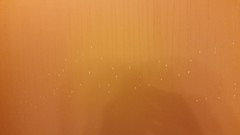
My condo has 2 bathrooms. We usually take hot showers. It is expected to get steam and condensation. However, the walls sweat/cry like crazy... and then when the drops that you see come down the wall dry out, a residue is left where the drops end. This residues looks and feels like candle wax. WHAT IS THIS? HOW CAN I FIX IT? It does not smell bad at all so I don't think is mold.

Comments (16)

  • 11 years ago

    To be clear, is not the actual walls of the shower (tiles). The residues are left on the walls of the bathroom (painted drywall). Wouldn't you damage the walls (paint and drywall) if you use ammonia to clean them?

  • 11 years ago

    Are you running ventilation fans in the bathrooms when you take hot showers? If not, you are asking for trouble. The fans should remove a lot of the moisture you are seeing on your walls. You need to get that steam out of the bathroom in a reliable way or you will be looking at a moldy mess.

    This is a guess but I wonder if the substance you are seeing on the walls is a chemical in the water that takes on a different form once it's dried out.

    If I were you, I would stop taking steamy showers and modulate the temperature. And if you have a fan always run it when you are taking a shower and for 20-30 minutes after. If you don't, open your window! If you have neither a fan nor window, seriously start taking tepid showers.


  • 11 years ago

    Thanks. The fan of the bathroom is always on, perhaps not for 30 mins after the shower, but during the shower is always on. I live in Boston, so opening the window is not an option most of the year.

  • 11 years ago

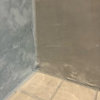
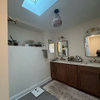
    here are some pictures.

  • 11 years ago

    so I have removed these white drops before, i use like a credit card plastic, but few days later the drops are back.

  • 11 years ago

    My kids room got like that when I used the humidifier way too high once. You should try getting a timer for your fan to shutoff longer after your shower. Check that it is enough CFM for how it is ducted and that the fan and intake is all clean and running smoothly.

  • 11 years ago

    Yes, what you showed in your picture is the steam and debris being deposited in your walls of the room - outside the shower and then slowly dripping as fluid accumulates and then slowly drying leaving the debris behind.

    The ammonia should be well diluted and used with good ventilation- Google washing walls with ammonia and do not add any bleach or you will make a poisonous gas similar to the mustard gas of WW1. Paint in the bathroom should be washable - if you don't have the right paint in the bathroom - well that's another problem you will need to rectify. Paint for the bathroom should have anti-microbial additives which help resist (but do not completely avoid) mildew and be tough enough to withstand washing with non-abrasive cleaners. The reason to use ammonia is it will help break down that waxy/oily debris.

    And your fan may not be powerful enough for needs.


  • 11 years ago
    last modified: 11 years ago

    And the fan needs to run even after the shower is taken....for about 20-30 minutes.

  • PRO
    11 years ago
    last modified: 11 years ago

    Check fan vent line/damper. Just because its making noise does not mean its efficiently removing dirty wet shower steam moisture from the room....after you dry the room out and verify there is no mold in walls, upgrade to an exterior grade or wet area gloss paint, a paint which will repel water that beads up on surface not allowing it into drywall or plaster....

  • 11 years ago

    We get the same thing - it never surprised me, there's a ton of steam created in our small, windowless, low-ceilinged bathroom. However, we have an appropriately sized fan, and we leave it on for 45 minutes after the water is turned off, every single time. We may have spots on the walls that need to be cleaned, but we have no mold or mildew.

  • 11 years ago
    last modified: 11 years ago

    That totally used to happen in our bathrooms when we first bought our (new to us but nearly 30 years old) house. I always assumed it was something gross about the paint, the cleanliness, and the ventilation. One bathroom had no window and a cruddy fan, the other had a window but no fan.

    The remodeled master bath, going on 3 years now, no longer has that problem. We installed a good ventilation fan (this was the bathroom with only a window) and painted with appropriate paint. Everything was thoroughly washed prior to painting. We also try to leave the bathroom doors open to help air them out.

    In the other bathroom, we're still not done so it's a bit early to tell. One thing is that whoever painted this house before we bought it, they used the same dingy white semi-gloss paint for EVERY room. I don't think it was appropriate for the bathrooms. So if cleaning and keeping the rooms aired out better doesn't help, then clean the walls and ceiling really well with TSP and repaint the entire space with something suitable for a humid bathroom. And incorporate a cleaning routine that includes ceiling/walls. Diluted ammonia was a great suggestion, cuts the oily grease without having to use detergents. If you're concerned about damage, wipe everything down with water to rinse it away.

  • 9 years ago

    I have the identical problem. It's like maple syrup. The paint is new with fungicide. It's not mold or mildew. it's like sap that needs to be washed off.

  • 7 years ago

    Do you have a scented wax warmer in your bathroom by any chance?

  • 7 years ago

    Typically, it's the paint.


    Depends on the base formulation, but it can be the surfactants in the paint that are leaching out of the paint due to the moisture condensating on the walls. The water/condensate eventually evaporates off the wall, leaving the latex components behind. they can have a syrupy/waxy/sticky nature.


    It happens most often with new paint, or with paint that had an improper application or improper cure.


Sponsored
Custom Home Works
Average rating: 4.6 out of 5 stars10 Reviews
Franklin County's Award-Winning Design, Build and Remodeling Expert