

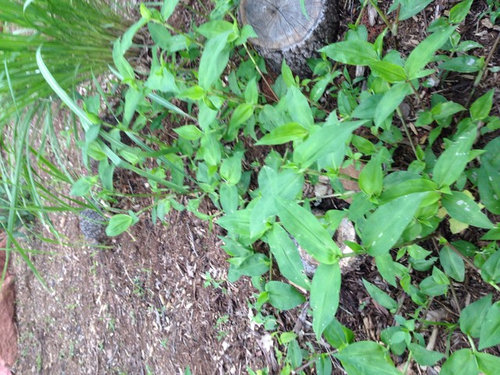
Flower ID
11 years ago
Sort by:Oldest
Comments (6)
Related Stories

GARDENING GUIDESLet Lilac Love Flower This Spring
Whatever you bestow or receive for Mother's Day, lilacs can be an unmatched gift in the garden in May
Full Story
SPRING GARDENING7 Spectacular and Practical Spring-Flowering Trees
Put on a beauteous show in the garden with a landscape tree awash in flowers — just do your homework first
Full Story
GARDENING GUIDES5 Bright, Cheerful Coastal Garden Flowers
Sandy soil and salty air don't have to mean a dry and dull garden — these 5 flowering plants are beautiful, vivid and remarkably sturdy
Full Story
GARDENING GUIDES8 Essential Flowering Vines for the Southeast
These native vines have eye-popping flowers and provide food for bees and birds
Full Story
FALL GARDENING20 Favorite Flowers for the Fall Landscape
Vivid blooms and striking shapes make these annuals and perennials a delight in autumn gardens
Full Story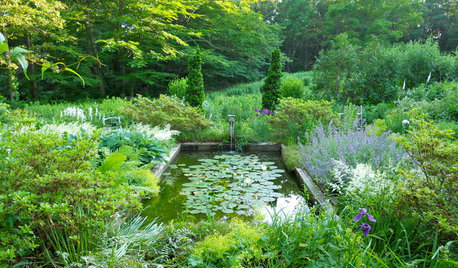
PLANTING IDEAS5 Reasons to Bring Shrubs Into the Flower Garden
Mix up the garden experience and let the flowers and shrubs play together
Full Story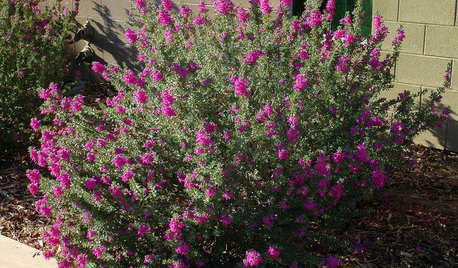
GARDENING GUIDESHow to Prune Your Flowering Shrubs for the Best Blooms
Less is often more when it comes to properly pruning flowering shrubs. Here’s what to do and why
Full Story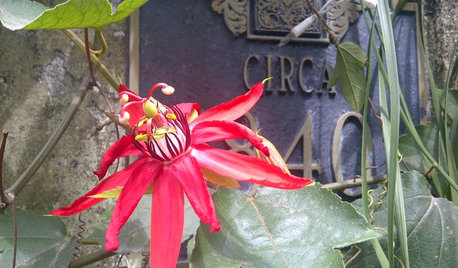
FLOWERS5 Sensational Flowering Vines for Warm Climates
Splash your garden with bright tropical color from late summer through fall with these showy trailing and climbing beauties
Full Story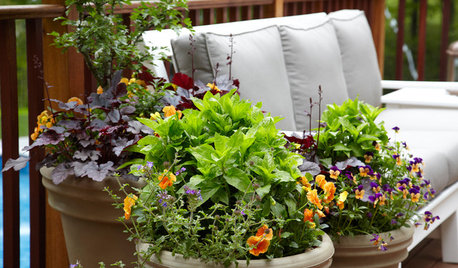
FLOWERS8 Knockout Flowers for a Fall Container Garden
Your cups will overfloweth with color and interest this fall when you plant these vivid seasonal garden classics
Full Story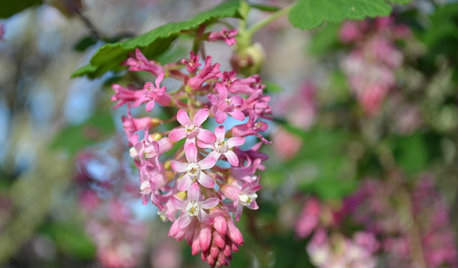
GARDENING GUIDESGreat Design Plant: Feed Wildlife With Flowering Currant
Blossoms and berries make this plant irresistible to birds, bees and other critters — and a treat for the eyes too
Full Story
Sponsored
Sandplum1
soonergrandmom
Related Professionals
Fayetteville Landscape Architects & Landscape Designers · Columbia Landscape Architects & Landscape Designers · Chatham Landscape Architects & Landscape Designers · Crestview Landscape Contractors · Aiken Landscape Contractors · Charlottesville Landscape Contractors · Taunton Landscape Contractors · Grand Rapids Landscape Contractors · Ithaca Landscape Contractors · Reno Landscape Contractors · Coos Bay Landscape Contractors · Ocala Accessory Dwelling Units · Frisco Accessory Dwelling Units · Norfolk Accessory Dwelling Units · Flagstaff Accessory Dwelling UnitsLisa_H OK
jmichiganOriginal Author
chickencoupe
Okiedawn OK Zone 7