

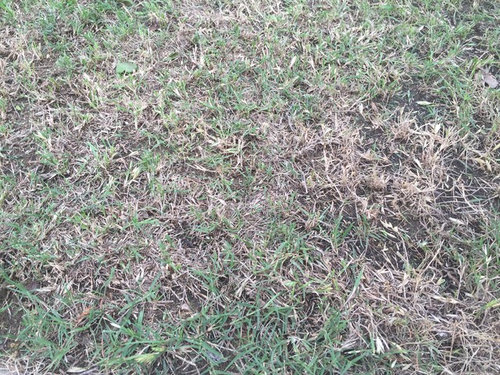
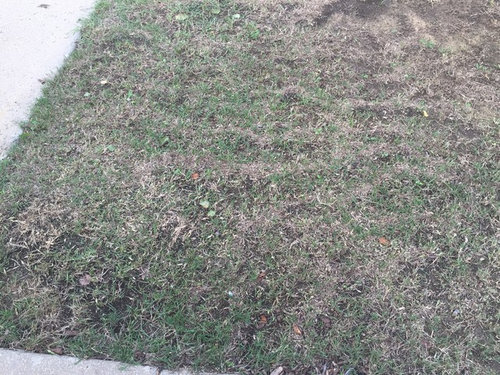
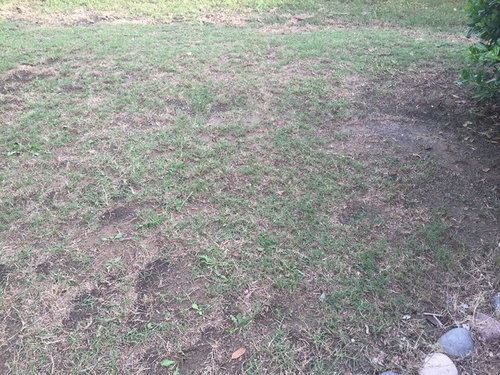
Reviving Bermuda Lawn
11 years ago
Featured Answer
Sort by:Oldest
Comments (9)
 11 years ago
 11 years ago
Related Professionals
Bainbridge Landscape Architects & Landscape Designers · Jacksonville Landscape Architects & Landscape Designers · Odessa Landscape Architects & Landscape Designers · Orlando Landscape Contractors · Ashland Landscape Contractors · Columbus Landscape Contractors · Lawrenceburg Landscape Contractors · Charlottesville Landscape Contractors · Syracuse Landscape Contractors · Youngstown Landscape Contractors · Twin Falls Landscape Contractors · Frederick Home Builders · Southaven Home Builders · Canton Home Builders · Boise Home Builders 11 years ago
- 11 years ago
- 11 years ago
- 11 years ago
- 11 years ago
- 11 years ago
Related Stories
GRASSESHow to Rock a Lawn
Weekend Project: The key to healthy grass begins with the soil. If turf works for you, here’s how to fix it and keep it looking its best
Full Story
TRADITIONAL ARCHITECTURERoots of Style: Pueblo Revival Architecture Welcomes Modern Life
Centuries-old details of adobe construction still appeal in the desert Southwest, adapted to today's tastes
Full Story
TRADITIONAL ARCHITECTUREGambrel Roofs Set Dutch Colonial Revivals Apart
Early Dutch settlers on the East Coast of the U.S. birthed this architectural style, but its popularity has spread across the country
Full Story
RANCH HOMESHouzz Tour: An Eclectic Ranch Revival in Washington, D.C.
Well-considered renovations, clever art and treasures from family make their mark on an architect’s never-ending work in progress
Full Story
TRADITIONAL HOMESHouzz Tour: Reviving a Half-Finished Farmhouse in New England
This 1790s foreclosure home was flooded and caved in, but the new homeowners stepped right up to the renovation
Full Story
HOMES AROUND THE WORLDGarden Tour: A Rich History Is Revived at Eltham Palace
This classic English garden mixes medieval relics with 1930s style
Full Story
GREAT HOME PROJECTSHow to Replace Your Lawn With a Garden
New project for a new year: Lose the turfgrass for energy savings, wildlife friendliness and lower maintenance
Full Story
EARTH DAYThe Case for Losing the Traditional Lawn
Work less, help the environment and foster connections by just saying no to typical turf
Full Story
GARDENING GUIDESHow to Prep Your Ground for a Healthy New Lawn
Seed or sod that falls on weedy, lumpy soil is a wasted effort. Follow these steps to ensure that your new lawn will thrive
Full Story
FRONT YARD IDEASBefore and After: Front Lawn to Prairie Garden
How they did it: Homeowners create a plan, stick to it and keep the neighbors (and wildlife) in mind
Full Story
Eric E