

Is ventilation required with induction cook tops?
11 years ago
Featured Answer
Sort by:Oldest
Comments (9)
Related Professionals
Clarksburg Kitchen & Bathroom Designers · Amherst Kitchen & Bathroom Designers · Monroe Kitchen & Bathroom Designers · Salem Kitchen & Bathroom Designers · York Kitchen & Bathroom Designers · Paducah Bathroom Remodelers · Lake Charles Bathroom Remodelers · Columbia Bathroom Remodelers · St. Louis Bathroom Remodelers · Johnson City Bathroom Remodelers · Hot Springs Kitchen Remodelers · Webster Kitchen Remodelers · Rochester Kitchen Remodelers · Green Bay Kitchen Remodelers · San Luis Obispo Kitchen Remodelers 11 years ago
- 11 years ago
 11 years ago


Related Stories

KITCHEN APPLIANCESLove to Cook? You Need a Fan. Find the Right Kind for You
Don't send budget dollars up in smoke when you need new kitchen ventilation. Here are 9 top types to consider
Full Story
KITCHEN DESIGNA Cook’s 6 Tips for Buying Kitchen Appliances
An avid home chef answers tricky questions about choosing the right oven, stovetop, vent hood and more
Full Story
HEALTHY HOMEDetox Your Kitchen for the Healthiest Cooking
Maybe you buy organic or even grow your own. But if your kitchen is toxic, you're only halfway to healthy
Full Story
KITCHEN DESIGNKitchen of the Week: Elegant Updates for a Serious Cook
High-end appliances and finishes, and a more open layout, give a home chef in California everything she needs
Full Story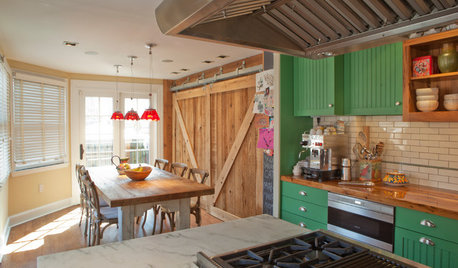
TASTEMAKERSPro Chefs Dish on Kitchens: How Marc Vetri Cooks at Home
Learn an Iron Chef's kitchen preferences on everything from flooring to ceiling lights — and the one element he didn't even think about
Full Story
COTTAGE STYLECute, Cook-Friendly Cottage Kitchens
Before you lament the limitations of a cottage kitchen, have a look at the possibilities
Full Story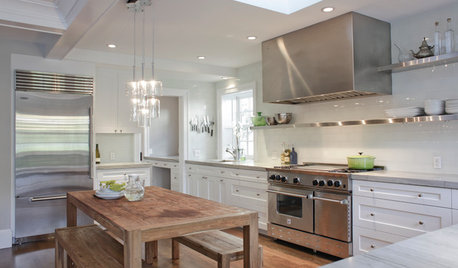
KITCHEN DESIGNCooking With Color: When to Use White in the Kitchen
Make sure your snowy walls, cabinets and counters don't feel cold while you're riding white's popularity peak
Full Story
KITCHEN OF THE WEEKKitchen of the Week: Cooking With Creekside Views in Maryland
Thanks to a major addition, this kitchen packs in function and looks out to a beautiful vista
Full Story
KITCHEN DESIGNHow to Choose the Right Hood Fan for Your Kitchen
Keep your kitchen clean and your home's air fresh by understanding all the options for ventilating via a hood fan
Full Story
TILETop Tile Trends From the Coverings 2013 Show — the Wood Look
Get the beauty of wood while waving off potential splinters, rotting and long searches, thanks to eye-fooling ceramic and porcelain tiles
Full Story
sushipup1