

Yews
11 years ago
Featured Answer
Sort by:Oldest
Comments (6)
 11 years ago
Related Professionals
Pensacola Landscape Architects & Landscape Designers · Vineland Landscape Architects & Landscape Designers · Chicago Landscape Architects & Landscape Designers · Kankakee Landscape Architects & Landscape Designers · Bloomington Landscape Contractors · Springfield Landscape Contractors · Auburn Landscape Contractors · Gloucester Landscape Contractors · Phoenix Landscape Contractors · Chambersburg Kitchen Remodelers · York Kitchen Remodelers · Murfreesboro Kitchen Remodelers · Santa Maria Kitchen Remodelers · Amherstburg Kitchen Remodelers · Bronx Kitchen Remodelers 11 years ago
Related Stories
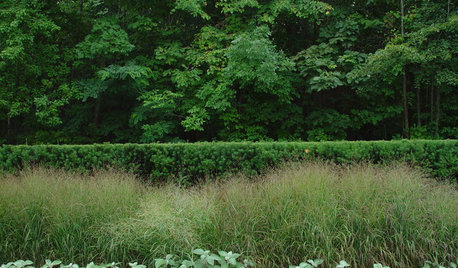
GARDENING GUIDESGreat Design Plant: Taxus x Media ‘Hicksii’
Need a strong, silent type in your garden? Hicks yew may be your perfect match
Full Story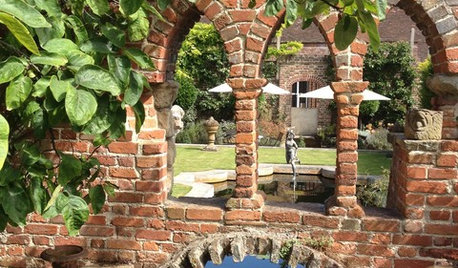
LANDSCAPE DESIGNExplore a Magical Restored English Garden
History comes alive in the gardens of a Rochester townhouse, filled with sculptural yew, a topiary parterre and an archway-draped pond
Full Story
SIDE YARD IDEASNarrow Trees for Tight Garden Spaces
Boost interest in a side yard or another space-challenged area with the fragrance and color of these columnar trees
Full Story
LANDSCAPE DESIGNBoxwood Alternatives Bring the Chelsea Flower Show to You
Don’t let box blight limit your plans to borrow garden design ideas from the renowned British event
Full Story
LANDSCAPE DESIGNSimple Container Plantings for Intriguing Garden Design
Beyond mere decoration, thoughtfully chosen pared-down pots and plants can be integral to interest in the garden
Full Story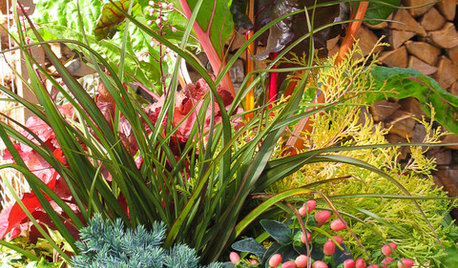
PLANTING IDEASStretch the Budget, Seasons and Style: Add Conifers to Your Containers
Small, low-maintenance conifers are a boon for mixed containers — and you can transplant them to your garden when they’ve outgrown the pot
Full Story
RED FOLIAGEGreat Design Plant: 'Little Henry' Sweetspire
Small in stature but big on impact, this fuss-free shrub promises spring flowers, fiery fall color and good manners in the garden
Full Story
GARDENING GUIDES8 Deer-Resistant Elegant Evergreen Shrubs to Plant This Fall
Who knew that such beautiful shrubs could be deer-resistant?
Full Story
LANDSCAPE DESIGN5 Structural Plants to Frame Your Garden Beautifully
Consider these trees and shrubs live building blocks, providing structure and definition in even a small garden
Full Story
FURNITUREWhich Dining Table Shape Should You Choose?
Rectangular, oval, round or square: Here are ways to choose your dining table shape (or make the most of the one you already have)
Full Story
More Discussions
gardengal48 (PNW Z8/9)