Software
Houzz Logo Print
emerogork2

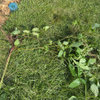
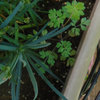
I have never seen a tulip do this....

11 years ago
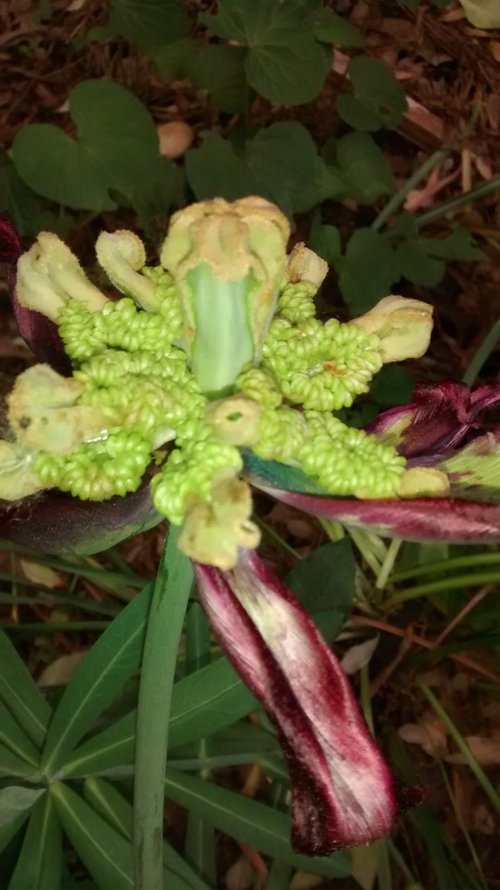
It had dark red flower and probably came in last year with a bunch of hellibore plants. In bloom , it looked like a tulip but I did not take a picture of it or look closely at it. I now see these sides growing around the seed pod

The rest of the stalk looks just like a tulip.

.

Comments (13)

  • 11 years ago

    Wow - that's pretty cool. It's certainly a tulip. The seed pod in the centre is a typical tulip pod. Round the outside is what look like a deformed pod with the seeds exposed which has sort of 'exploded'. Maybe a kind of fasciation. Maybe caused by a virus which tulips are very prone to.

  • 11 years ago

    Maybe it is Holland 1634 revisited!

    Any bids?

  • 11 years ago

    I planted some dark tulips too last fall and they have the same thing!

  • 11 years ago

    You have more than one of these doing this? Have any pics?

    I just received this from White Flower Farms:

    "The tulip is fasciated.
    Fasciation literally means banded or bundled. Scientists aren't sure what causes
    the deformity, but they believe it is probably caused by a hormonal imbalance.
    This imbalance may be the result of a random mutation, or it can be caused by
    insects, diseases or physical injury to the plant. Think of it as a random
    occurrence. It doesn't spread to other plants or other parts of the same plant.

  • 11 years ago
    last modified: 11 years ago

    And this also from WFF:

    The result of fasciation is thick, often flattened, stems
    and large flowers or flower heads with far more than the usual number of
    flowers. The extent of fasciation deformation of flowers depends on where the
    damage occurs. Fasciations close to the ground affect a larger portion of the
    plant."

    Many people tend to keep these fasciated plants in their
    gardens for fascination! It may return to its former self in time.

    Yes, to be
    able to trade a tulip for an estate would be quite lovely. At least it's worth
    more than an onion! (This is in reference to Holland Tulip Scandal of 1634.)

    OTOH, I received this from Tulip World:"It looks like the tulip is going to seed, this is the spent
    flower of the tulip.

    Sincerely,
    Jennifer San Filippo
    Operations Manager, Tulip World

    Whoya gonna trust?

  • 11 years ago

    Fasciation is thought to be caused by hormone herbicide. I completely believe this. And any plant at all can have some fasciation. Once it has it there is no getting rid of it in that plant. I believe it to be a sort of cancer but most people, when I say this, move away from me.

    I see bits of fasciation in some of the plants in my garden and I believe it is from pesticide drift. I never use poison.

    Great seed pod though.

  • 11 years ago

    'OTOH, I received this from Tulip World:"It looks like the tulip is going to seed, this is the spent flower of the tulip.

    Sincerely,
    Jennifer San Filippo
    Operations Manager, Tulip World

    Whoya gonna trust?'

    Both are correct.

    The tulip is fasciated but it has also set seed. I have no idea if the seed would harbour the problem of fasciation.


  • 11 years ago

    Well Tulip word seems to suggest that it happens as a normal process yet I have never seen it once in my 50 years of gardening.

    I guess the next question is, How might I collect and process these seeds to see if there is anything worth keeping? I have never grown anything from the seed pod of a tulip (Or daffodil for that matter).

    Should this be asked in a different forum?


  • 11 years ago
    last modified: 11 years ago

    Fasciation is not due to herbicide drift. It is exactly as described by WFF in the previous post - possibly a genetic imbalance, an arbitrary mutation, insect damage or a bacterial or viral infection. Many plants display stable fasciation and have never been exposed to any herbicides - a good number of conifers, lots of different cacti, many ferns, Celosia argentea var. cristata, Fantail willow. These are grown specifically for their fasciated feature. Broccoli is an example of a fasciated plant. Witches' brooms, from which many cultivars of conifers and trees are propagated, are very similar to fasciation and may have similar causal agents.

    And some plants are far more prone to fasciation than others - lilies, liatris, delphiniums, euphorbia, veronicastrum, forsythia - they can display it one year and be perfectly normal the next so "no getting rid of it in that plant" is not correct.

    I have heard and read about fasciated tulips but that is most usually reflected in fused flower stems so that multiple blossom are produced on what looks to be a single stem. It would be interesting to know/see what that tulip looked like during its normal bloom time

    Maybe you can tell, but I am bit fascinated with fasciation (sorry for that - Lol!) and have read extensively on the subject. It is a very interesting topic made all the more interesting by the strange contorted growths that result from this phenomenon.

  • 11 years ago
    last modified: 11 years ago

    I loathe fasciation.

    Yes, I know that some plants are deliberately grown with that fasciated look: Celosia, as you mentioned.

    Hormone herbicide seems to create the hormone imbalance.

  • 11 years ago
    last modified: 11 years ago

    "It would be interesting to know/see what that tulip looked like during its normal bloom time"

    Interesting, although I noted it to be a new flower in a location that I had never planted tulips before, I did not look too closely at it when It was in bloom. Consequently, there are no pics of it.

    I am gong to continue to watch it and will try to work with the seeds to grow some from that plant to see what comes up. Unfortunately, I am not all that experienced in collecting seeds and germinating them. I understand that it may take 4 - 5 years for these to produce a flower.

    Thoughts on how to do so appreciated. I would love to be on the ground floor of the next Tulip scandal. (See Holland 1634)

  • 11 years ago

    Yes, it will take a few years until you see a flower, but it won't be as long as 4-5 years. I think tulip bulbs grow quicker than that.

    It will also be very interesting just to see if the baby tulips are totally free or not from fasciation.

  • 11 years ago

    From what I read, the seeds will sprout in the spring and will soon die back as the full mature bulbs do but will not flower. By the fall, I can dig them up as small bulbs and place them in a permanent location. Even though, the reading does say that it takes four years.

    If there are seeds in the main pod and in the faciated pancreas looking growth, then I will have to keep them separated to see what they do.

    I so wish that I had looked at the flower before it went to seed.....