

Limelight leaves
11 years ago
Featured Answer
Sort by:Oldest
Comments (9)
 11 years agolast modified: 11 years ago
Related Professionals
Auburn Landscape Architects & Landscape Designers · Stockton Landscape Architects & Landscape Designers · Daytona Beach Landscape Contractors · Clarksville Landscape Contractors · Fort Worth Landscape Contractors · Elgin Landscape Contractors · Albert Lea Landscape Contractors · Honolulu Landscape Contractors · Amherstburg Landscape Contractors · Myrtle Beach Design-Build Firms · Waterbury Design-Build Firms · Greenfield Design-Build Firms · Bemidji Design-Build Firms · Glenwood Springs Design-Build Firms · Toronto Design-Build Firms- 11 years ago
- 11 years ago
- 11 years ago
 11 years ago
- 11 years ago
 11 years ago
- 11 years ago
Related Stories
KITCHEN DESIGNWhite Appliances Find the Limelight
White is becoming a clear star across a broad range of kitchen styles and with all manner of appliances
Full Story
GREENColor Guide: How to Work With Green
With as many green hues as leaves in a forest, it's easy to find one that grows on you
Full Story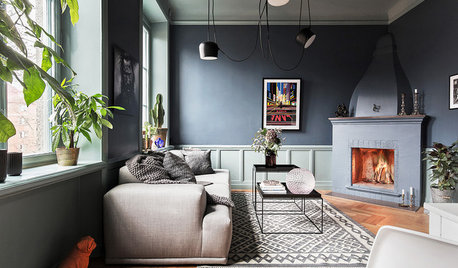
DECORATING GUIDESWhat Goes With Black Walls?
Once seen only in teenagers’ bedrooms, black these days is chic and showing up everywhere. Learn which colors are its perfect partners
Full Story
DECORATING GUIDESSo Your Style Is: Midcentury Modern
This singular design style blends arresting shapes, graphic patterns and quirky accents. Here's how to make it yours
Full Story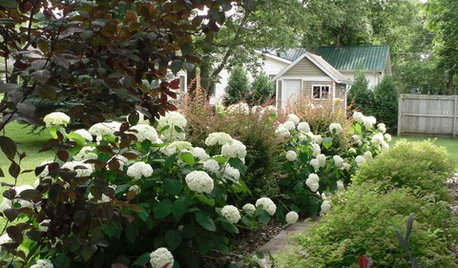
LANDSCAPE DESIGNAll-White Gardens Light Up the Night
Lustrous blooms in white, cream and the palest ivory enchant in the landscape at night — and can be practical too
Full Story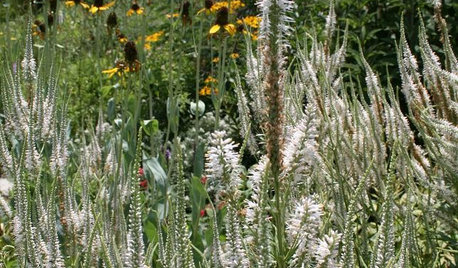
CENTRAL PLAINS GARDENINGGreat Design Plant: Culver's Root
Spiky summer blooms beloved by butterflies and architectural interest in winter make this Midwest native plant worth featuring in the garden
Full Story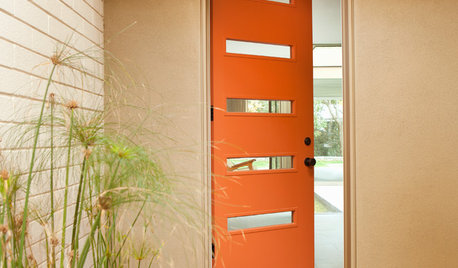
CURB APPEAL77 Front Doors to Welcome You Home
Crossing the threshold is an event with these doors in a gamut of styles
Full Story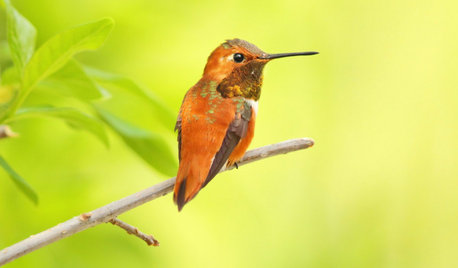
GARDENING GUIDESBackyard Birds: Invite Entertaining Hummingbirds Into Your Garden
Hummingbirds — unique to the Americas — zip through open landscapes seasonally or year-round. Here’s how to attract them
Full Story
PLANTING IDEAS8 Sumptuous Shade Garden Plant Combinations
Enjoy these plant combinations made for spots with varying levels of shade and different garden zones
Full Story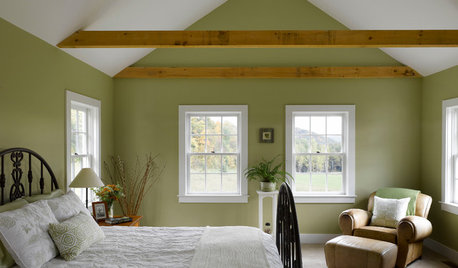
COLORDreaming in Color: 8 Gorgeously Green Bedrooms
Bring in a bold splash of watery blue-green or a slice of soft celery for a colorful yet sleep-friendly sanctuary
Full Story
October_Gardens