Software
Houzz Logo Print
jon_biddenback

Is mold in the worm bin a problem?

11 years ago

I recently started a worm bin in a five gallon bucket, and I'm still trying to get it right. I didn't have much money, so I started it with two containers of (roughly) 2 dozen red wigglers apiece.

Today I was going to add some shredded brown paper, dry, because I think I got the bin a little bit too moist the last time I watered it. Looking in I saw grey, thread-like mold growing on some strawberry leftovers we put in the bin three days ago. Is the mold OK, or is it a sign of something wrong?

The last couple of days, when I check the drainage pan for trickles of worm tea or signs of flooding, I've noticed 2-3 worms (out of about 50) chilling in the pan instead of staying in the bin. I also found one dessicated dead worm outside the pan completely. Does this sound like escape attempts from bad conditions, or just normal exploration and maybe a little getting lost?

Pics follow.

Comments (6)

  • 11 years ago

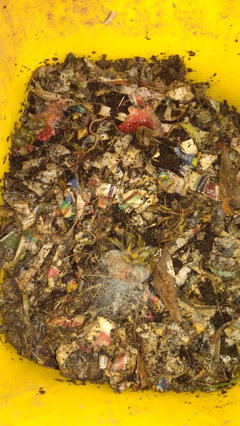
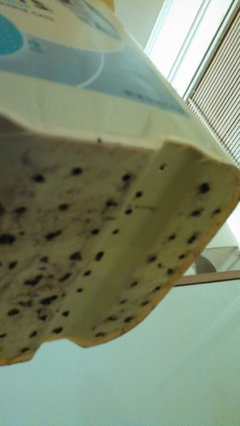
    The moldy strawberries. The bin is in disarray because I got some bad info about a week ago and stirred it. Since then I leave it sit, and just reach fingers down the side to check moisture penetration and cast levels.

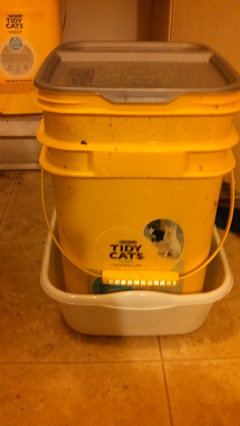
    The worm bin setup. When the bedding and food are mostly turned to casts, I'll put the matching bucket prepared with bedding and food into the working bucket, give the worms time to climb up through the drainage holes, then harvest my vermicompost from the bottom bin.


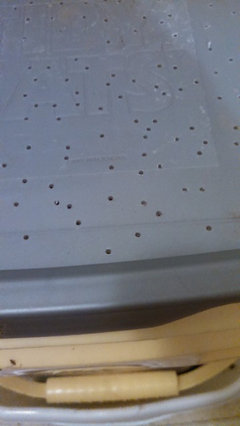
    1/8-inch air holes in the lid and a ring around the bucket top. Too small for fruit fly travel, but there are LOTS of them.


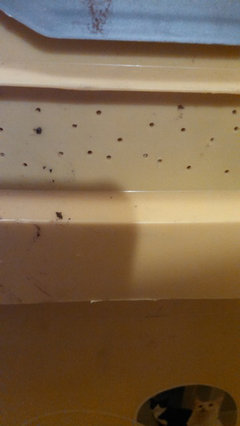
    1/4-inch drainage holes on the bottom. I thought they might be too small to allow worm travel between buckets when they're stacked, but the worms I've found in the pan tell me otherwise.


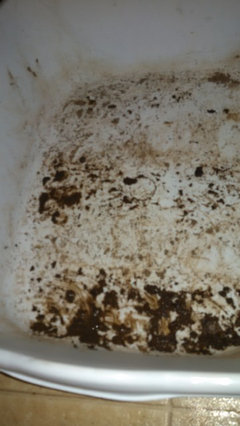
    The drainage pan. A few cast smears and a little moisture, but no puddle of standing water.


  • 11 years ago

    Due to acquiring some objects from a slob's home, we unfortunately have a bit of a roach problem. I don't particularly want those in the bin, eating up the worm food and running off to poop elsewhere where it's a mess rather than fertilizer.

    We also have a huge, partly blind cat that (clumsily) chases anything that flies, knocking down people and furniture as he goes, so I really don't want a fruit fly infestation.

    I'd prefer to keep the lid on if practical; is it likely to do much harm to keep it?

  • 11 years ago
    last modified: 11 years ago

    Removing the lid greatly increases airflow, but many people use lids. It's not harmful. You just have to be more diligent about moisture levels. I use 10 gallon plastic bins without lids but with the thick layer of shredded cardboard/paper on top. Since I freeze my scraps before feeding to my worms and bury the food when I feed I don't have any problems with fruit flies. The thing about vermicomposting is there are lots of ways to do things. On the one side there are some generally accepted best practices that are beneficial to your worms and on the other side there are definitely some other practices that will usually be very harmful to worms. In the middle are a lot of things people do with their worm bins that are more personal preferences than best practices. Sometimes people have good reasoning behind what they do. Sometimes they are just lucky they get away with some ways of raising their worms. Sometimes what enables one person to do something others run into trouble with is their level of experience. If someone has lots of experience coupled with a large enough bin they can do some of those things that are considered to be more risky. Let me be clear. Using a lid isn't a risky practice. Most people use them. You'll be ok using it or not using it. (One other thing about the moldy strawberry. You might consider stirring just the moldy spot to break up the mold fibers.) A few other pieces of unsolicited advice would be to add a good dusting of powdered egg shell every time you feed. This helps with Ph control and grit for the worms gizzards (some question the validity of the grit benefit but I'm on the side that thinks it helps worms digest their food). Also, I think it's best not to feed over the entire area of your bin, especially since the surface area of your bucket is so small. If you will feed in smaller quantities in one corner of your bucket at a time your worms will have somewhere safe to run in the event something goes wrong with a particular feeding area (food heats up, food sours, etc.). I would also increase the amount of bedding (shredded paper/cardboard works well and is free) in your bucket. It's hard to have too much bedding. Ample bedding not only provides living space it is also food and helps with moisture control. Ok, I've rambled long enough. There are people on here who know much more than I do about vermicomposting. Happy worming.

  • 11 years ago

    I tore up the strawberry mold threads, and added some shredded junk mail and the liner of a paper sugar bag (not waxed or coated, it's just plain brown paper). I left the paper dry to soak up any excess moisture. If it's still bone dry this evening or tomorrow morning, I will add a small amount of water.


    I'm no bug psychologist, but the worms seem active yet relaxed, as far as I can tell.

  • PRO
    11 years ago

    That is a great description of what we are, or at least it feels like that, worm psychologists. It might be counter productive to the bug thing to be trying to vermicompost at the same time. Maybe handle the most important thing first and when that is handled then reventure into vermicomposting. Note: inexpensive bottles of boric acid puffed gently from the container into crevices and edges and corners of the floor may effectively and inexpensively handle any bug issues from ants to zebras. The best part is the dust will stay in crevices a long time and still be effective. You seem to very well understand the concepts of vermicomposting and will do well with your efforts now or later.

Sponsored