

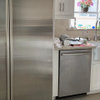
Quick help! Freestanding or slide in??
11 years ago

Sort by:Oldest
Comments (3)
Related Stories
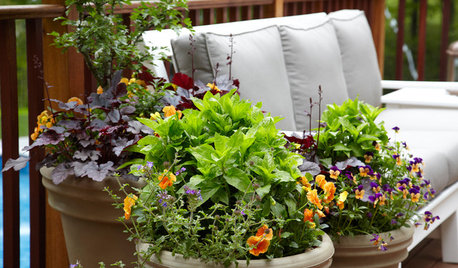
GARDENING AND LANDSCAPING13 Quick-Change Boosts for a Spring Patio
Enjoy your outdoor room more with these enhancements that are easy, impactful and kind to your budget
Full Story
STORAGEDownsizing Help: Shelve Your Storage Woes
Look to built-in, freestanding and hanging shelves for all the display and storage space you need in your smaller home
Full Story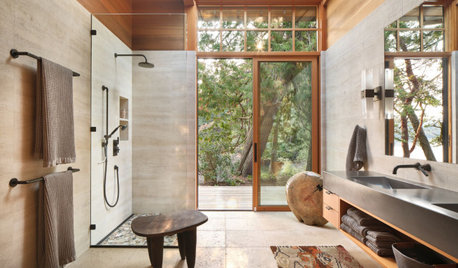
BATHROOM WORKBOOKStandard Dimensions and Measurements for a Primary Bath
Create a luxe bathroom that functions well with these key fixture dimensions and layout tips
Full Story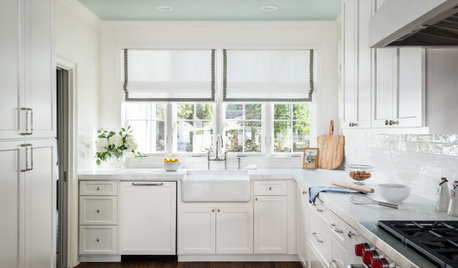
KITCHEN DESIGNKey Measurements for Your Kitchen Design
Get the ideal kitchen setup by understanding spatial relationships, dimensions and work zones
Full Story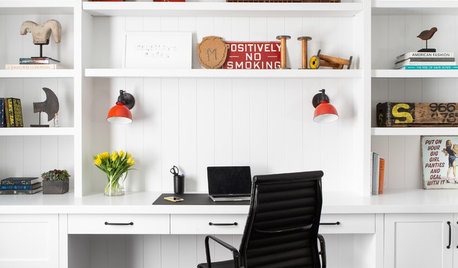
REMODELING GUIDESKey Measurements to Help You Design the Perfect Home Office
Fit all your work surfaces, equipment and storage with comfortable clearances by keeping these dimensions in mind
Full Story
LIFE10 Quick Ways to Get Your House Ready for Company
Holiday checklist: See how to make your home 100-percent welcoming in an afternoon. Plus: How to be a good guest
Full Story
HOUSEKEEPINGFurniture Clinic: Quick DIY Glides for Sofa, Chair or Table
Smooth things over between your furniture and floor with easy glides cut from leather scraps
Full Story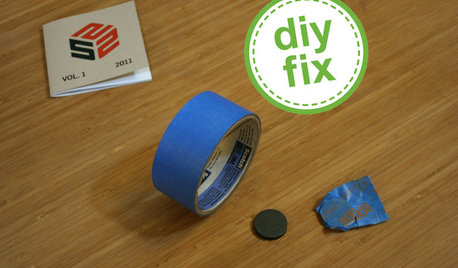
DECORATING GUIDESQuick Fix: Find Wall Studs Without an Expensive Stud Finder
See how to find hidden wall studs with this ridiculously easy trick
Full Story
MONTHLY HOME CHECKLISTSYour Checklist for Quick Houseguest Prep
Follow these steps to get your home ready in a hurry for overnight visitors
Full Story
GARDENING FOR BUTTERFLIESA Quick-Start Guide to Bird-Watching for Fun and Learning
Set out some seed and grab your field guide. Bird-watching is an easy, entertaining and educational activity for the whole family
Full Story
sreedesq
sjhockeyfan325
Related Professionals
Dover Kitchen & Bathroom Designers · Daytona Beach Kitchen & Bathroom Designers · Elizabethtown Kitchen & Bathroom Designers · Florence Kitchen & Bathroom Designers · Peoria Kitchen & Bathroom Designers · Webster Kitchen & Bathroom Designers · New York City Kitchen & Bathroom Designers · Casper Kitchen & Bathroom Designers · Tuscaloosa Bathroom Remodelers · Lincoln Bathroom Remodelers · Stockton Bathroom Remodelers · Paducah Kitchen Remodelers · College Station Kitchen Remodelers · Clarksburg Kitchen Remodelers · Newburyport Kitchen Remodelersjwvideo