

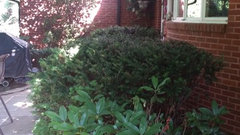
Dead Zone?
11 years ago
Featured Answer
Sort by:Oldest
Comments (6)
 11 years ago
- 11 years ago
Related Professionals
Fort Smith Landscape Architects & Landscape Designers · Sebring Landscape Architects & Landscape Designers · Myrtle Beach Landscape Architects & Landscape Designers · Selma Landscape Contractors · Gainesville Landscape Contractors · Cincinnati Landscape Contractors · Albert Lea Landscape Contractors · Toledo Landscape Contractors · Erie Landscape Contractors · Farmington Landscape Contractors · Billings Landscape Contractors · Florence Home Additions · Chattanooga Home Additions · Leominster Home Additions · Elko Home Additions- 11 years ago
- 11 years ago
- 11 years ago

Related Stories
DECORATING GUIDES12 Deadly Decorating Sins
Are your room designs suffering from a few old habits? It may be time to change your ways
Full Story
DINING ROOMSNew This Week: Proof the Formal Dining Room Isn’t Dead
Could graphic wallpaper, herringbone-patterned floors, wine cellars and fire features save formal dining rooms from extinction?
Full Story
MOST POPULARKitchen Evolution: Work Zones Replace the Triangle
Want maximum efficiency in your kitchen? Consider forgoing the old-fashioned triangle in favor of task-specific zones
Full Story
DINING ROOMSNew This Week: 6 Modern Dining Zones in Homes Big and Small
Look to splashy accent walls, right-sized tables and indoor slides to make the most of your open layout
Full Story
KITCHEN WORKBOOKNew Ways to Plan Your Kitchen’s Work Zones
The classic work triangle of range, fridge and sink is the best layout for kitchens, right? Not necessarily
Full Story
MUDROOMSRoom of the Day: This Mudroom Is Just Plain Hot
Wait till you see what’s behind the hooks and bins in this genius family drop zone
Full Story
KITCHEN DESIGNKey Measurements for Your Kitchen Design
Get the ideal kitchen setup by understanding spatial relationships, dimensions and work zones
Full Story
REMODELING GUIDES8 Architectural Tricks to Enhance an Open-Plan Space
Make the most of your open-plan living area with the use of light, layout and zones
Full Story
PLANTING IDEAS8 Sumptuous Shade Garden Plant Combinations
Enjoy these plant combinations made for spots with varying levels of shade and different garden zones
Full Story
DECORATING GUIDESInteriors Need Energy? Look to Mondrian’s Paintings for Inspiration
The Dutch master of abstraction can help you return to basic colors, create zones, highlight function and more
Full Story
akamainegrower