

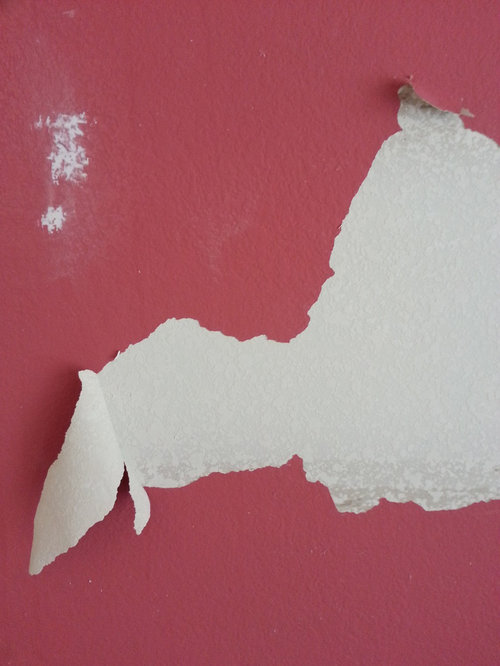
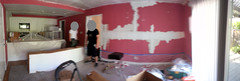
Need help with paint in kitchen/dining (peeling paint; finish to use?)
11 years ago
last modified: 11 years ago
Featured Answer
Sort by:Oldest
Comments (7)
 11 years ago
Related Professionals
Poplar Bluff Interior Designers & Decorators · Philadelphia Interior Designers & Decorators · Johnson City Interior Designers & Decorators · Beckley Interior Designers & Decorators · Ogden Interior Designers & Decorators · Spokane Interior Designers & Decorators · Evanston Interior Designers & Decorators · Washington Architects & Building Designers · Cape Girardeau Architects & Building Designers · Mankato Architects & Building Designers · Chatham Architects & Building Designers · Little Rock Kitchen & Bathroom Designers · Huron Kitchen & Bathroom Designers · Bridgeport Kitchen & Bathroom Designers · Calgary Kitchen & Bathroom Designers- 11 years ago
- PRO11 years ago


Related Stories
KITCHEN MAKEOVERSKitchen of the Week: Hand-Painted Range Hood and Classic Finishes
A designer puts hardworking materials, repurposed features and personal touches to work in her own charming kitchen
Full Story
KITCHEN DESIGNYour Kitchen: Mix Wood and Painted Finishes
Create a Grounded, Authentic Design With Layers of Natural and Painted Wood
Full Story
KITCHEN CABINETSPainted vs. Stained Kitchen Cabinets
Wondering whether to go for natural wood or a painted finish for your cabinets? These pros and cons can help
Full Story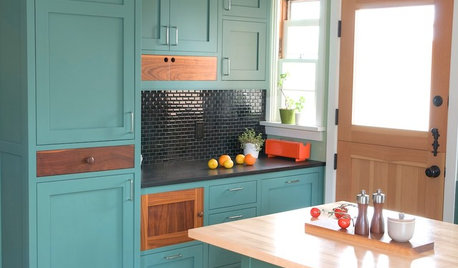
KITCHEN CABINETSKitchen Cabinet Color: Should You Paint or Stain?
Learn about durability, looks, cost and more for wooden cabinet finishes to make the right choice for your kitchen
Full Story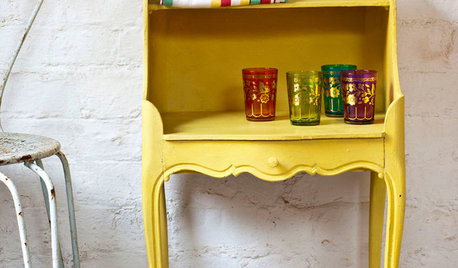
PAINTINGWhat to Know About Milk Paint and Chalk Paint — and How to Use Them
Learn the pros, cons, cost and more for these two easy-to-use paints that are great for giving furniture a vintage look
Full StoryMOST POPULARFrom the Pros: How to Paint Kitchen Cabinets
Want a major new look for your kitchen or bathroom cabinets on a DIY budget? Don't pick up a paintbrush until you read this
Full Story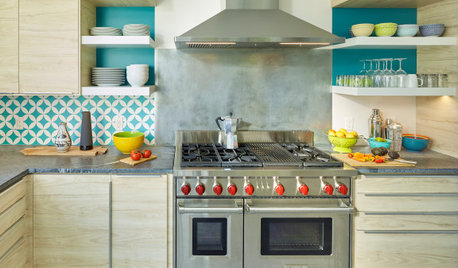
HOUZZ TV LIVETour a Designer’s Colorful Kitchen and Get Tips for Picking Paint
In this video, designer and color expert Jennifer Ott talks about her kitchen and gives advice on embracing bold color
Full Story
KITCHEN CABINETSNew This Week: 6 Blue Paints for Stylish Kitchen Cabinets
See how undertones in blue cabinets create diverse styles and moods, from playful and fun to daring and dramatic
Full Story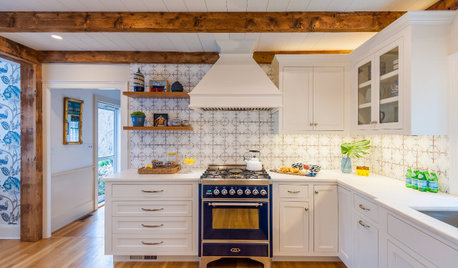
KITCHEN MAKEOVERSHand-Painted Tile Inspires a Long-Awaited Kitchen Remodel
Houzz stories provide a Massachusetts couple with inspiration and lead them to designers who transform their kitchen
Full Story
COLORHow to Paint Your Front Door, From Start to Finish
Learn what you need to know about this weekend project, such as the best paint to use and the right time to do it
Full Story


T.O.D.