

corn cob, stalks, shocks, etc.
11 years ago
Featured Answer
Sort by:Oldest
Comments (7)
 11 years ago
- 11 years ago
Related Professionals
Johnson City Landscape Architects & Landscape Designers · Plattsburgh Landscape Architects & Landscape Designers · Kennewick Landscape Architects & Landscape Designers · El Dorado Landscape Contractors · Spring Landscape Contractors · Duluth Landscape Contractors · Utica Landscape Contractors · Eau Claire Landscape Contractors · Little Rock Stone, Pavers & Concrete · Ashland Stone, Pavers & Concrete · Annapolis Stone, Pavers & Concrete · Charlotte Stone, Pavers & Concrete · Greensboro Stone, Pavers & Concrete · Muskegon Stone, Pavers & Concrete · Lubbock Stone, Pavers & Concrete- 11 years ago
- 11 years ago
- 11 years ago
- 11 years ago

Related Stories
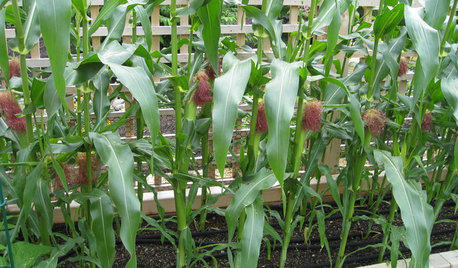
SUMMER FRUITS AND VEGETABLESHow to Grow Your Own Fresh, Sweet Corn
Here's how to plant and care for your own mini cornfield
Full Story
PETSHouzz Call: Show Us Your Summer-Loving Dog!
Share a photo of your pooch kicking back in the backyard, helping you in the workshop or enjoying your favorite summer getaway
Full Story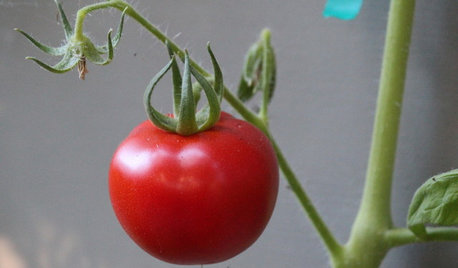
FARM YOUR YARDIf You Have Room for Only One Summer Crop ...
Get an edible that’s long on flavor even if you’re short on space, with a long-time gardener’s favorite picks
Full Story
GREEN BUILDINGWhy You Might Want to Build a House of Straw
Straw bales are cheap, easy to find and DIY-friendly. Get the basics on building with this renewable, ecofriendly material
Full Story
PETSHouzz Pets Survey: Who Rules the House — Dogs or Cats?
New data shows that pets make people happy, and pet owners love spending big to return the favor
Full Story
REMODELING GUIDESYou Won't Believe What These Homeowners Found in Their Walls
From the banal to the downright bizarre, these uncovered artifacts may get you wondering what may be hidden in your own home
Full Story
KITCHEN DESIGNHouzz Call: What’s Cooking in Your Kitchen?
Most of us turn to recipes, videos and culinary shows when we cook. Where do you set your cookbook, tablet or TV screen?
Full Story
EDIBLE GARDENSGarden BFFs? Why Your Vegetables Are Begging for Companion Plants
Foster friendships among plants for protection from pests, pollination support and color camaraderie
Full Story
REMODELING GUIDES5 Ways DIY Remodels Get Derailed — and How to Deal
Keep your remodel on track by knowing the potential pitfalls ahead of time
Full Story
FUN HOUZZHow to Survive an Epidemic of Walking Dead
Tips to use around the house and garden to prep for the zombie apocalypse
Full Story
david52 Zone 6