

Miniature Daffodils
11 years ago
Featured Answer
Sort by:Oldest
Comments (7)
 11 years ago
- 11 years ago
Related Professionals
West Palm Beach Landscape Architects & Landscape Designers · Savannah Landscape Architects & Landscape Designers · Sioux City Landscape Architects & Landscape Designers · Palm Desert Landscape Architects & Landscape Designers · Eugene Landscape Architects & Landscape Designers · Spanish Fork Landscape Architects & Landscape Designers · Ashland Landscape Contractors · Lake Charles Landscape Contractors · Leominster Landscape Contractors · Niles Landscape Contractors · Odessa Landscape Contractors · Montréal Landscape Contractors · Baton Rouge Architects & Building Designers · Portland Architects & Building Designers · Pierre Architects & Building Designers- 11 years ago
 11 years agolast modified: 11 years ago

Related Stories

GARDENING GUIDES10 Beautiful Ways to Landscape With Bulbs
Planting bulbs wisely in fall can turn a spring garden glorious with joyful colors and profuse blooms that last through summer
Full Story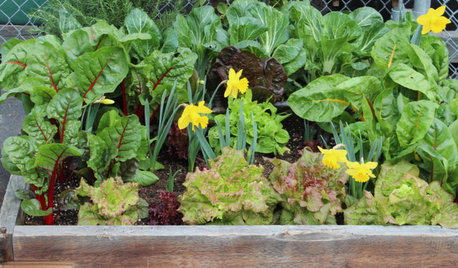
FARM YOUR YARDGrow a Kitchen Garden in 16 Square Feet
Got a sunny 4-by-4 space? You can make meals more interesting with your own vegetables and herbs
Full Story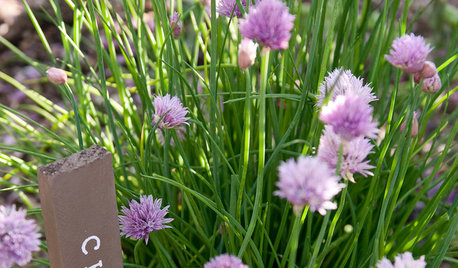
GARDENING GUIDESSimple Pleasures: Savor the First Spring Day in the Garden
How will you answer the call of the garden once the birds are chirping, the bulbs are blooming and the air is inviting?
Full Story
URBAN GARDENSIn London, a Crowded Patch of Grass Becomes a Patio for Entertaining
A chic combo of wood siding, clever plantings and lots of elegant sandstone transforms a plain garden into a stylish space
Full Story
REMODELING GUIDESNot Your Average Ranch
Add sizzle to your ranch house by working with what you've got
Full Story
FALL GARDENING11 Trees for Brilliant Fall Color
Give your landscape the quintessential look of autumn with the red, orange and yellow leaves of these standouts
Full Story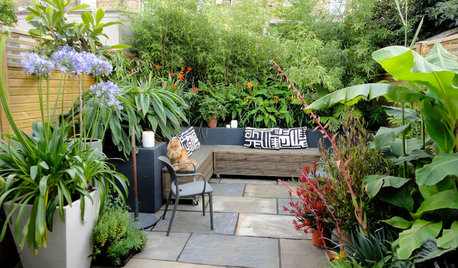
MOST POPULAR10 Reasons to Love a Tiny Garden
Small outdoor spaces can have a beauty all their own
Full Story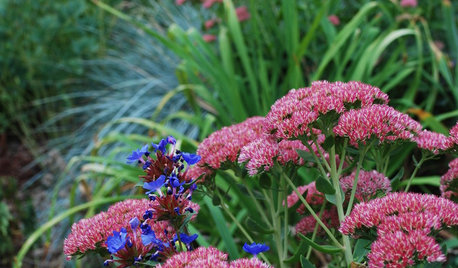
GARDENING GUIDESFall Is Calling: What to Do in Your October Garden
Get a jump on winter prep or just sit back and watch the leaves fall. The beauty of an autumn garden is in all the choices you have
Full Story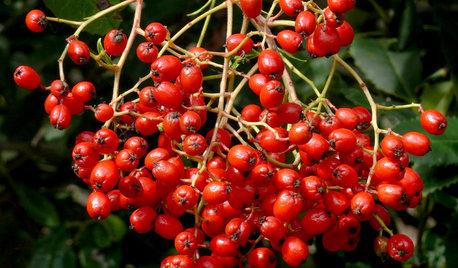
GARDENING GUIDESCalifornia Gardener's December Checklist
Let California's version of holly brighten the winter landscape — or consider another holiday performer from the whole host of choices
Full Story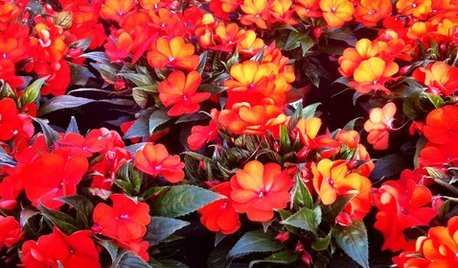
GARDENING GUIDESBright Plants for Flower Beds That Wow
From new annual and perennial varieties to grasses, get dramatic with swaths of color
Full Story
NHBabs z4b-5a NH