

Powdery Mildew Question
11 years ago
Sort by:Oldest
Comments (5)
Related Stories
LANDSCAPE DESIGN7 Questions to Ask Before Laying Stepping Stones
These broken-up pathways invite you to put a spring in your step — while adding functionality to the garden
Full Story
OUTDOOR ACCESSORIESCare Guide: How to Clean Your Patio Cushions
Ready your furniture for spring and summer with these tips for removing sunscreen stains, mildew and more
Full Story
GREEN BUILDINGHow to Start Finding a Greener House
On the hunt for a more ecofriendly house? Here are the questions to ask and research to do
Full Story
GARDENING GUIDESGreat Design Plant: Rosa Banksiae a Low-Maintenance Beauty
This thornless, disease- and insect-resistant rose brings showers of white or yellow flowers to the spring garden
Full Story
CONTAINER GARDENSContainer Garden Basics: How and When to Water Potted Plants
Confused about soil moisture, the best time to water and what watering device to use? This guide can help
Full Story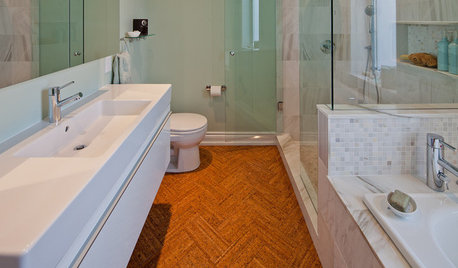
FLOORSWill Cork Float for Your Bathroom Floor?
Get the facts on advantages, disadvantages, costs and installation to see if a cork bathroom floor is right for you
Full Story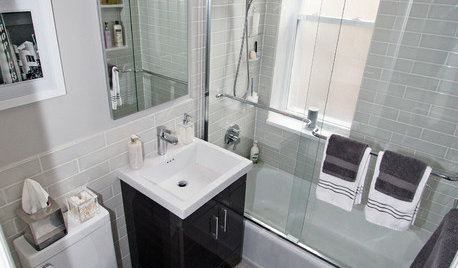
BATHROOM DESIGNWater Damage Spawns a Space-Saving Bathroom Remodel
A game of inches saved this small New York City bathroom from becoming too cramped and limited
Full Story
HOUSEKEEPINGHow to Clean Grout — Stains and All
If your grout is grossing you out, this deep-cleaning method will help it look new again
Full Story
BATHROOM DESIGNGreen and Clean: Ventilate for a Healthy Bathroom
Ridding your bathroom of excess moisture is vital for indoor air quality. Here's how to do it best
Full Story
Sponsored


digdirt2
Peter (6b SE NY)
Related Professionals
Tallahassee Landscape Architects & Landscape Designers · Topeka Landscape Architects & Landscape Designers · Frisco Landscape Architects & Landscape Designers · Lawrence Landscape Architects & Landscape Designers · Altoona Landscape Architects & Landscape Designers · Columbia Landscape Contractors · Dayton Landscape Contractors · Amherst Landscape Contractors · Fargo Landscape Contractors · Ithaca Landscape Contractors · Bakersfield Landscape Contractors · Mission Viejo Landscape Contractors · Durango Landscape Contractors · Missoula Landscape Contractors · Forrest City Accessory Dwelling Unitschigardenlady
nancyjane_gardener
Humsi