

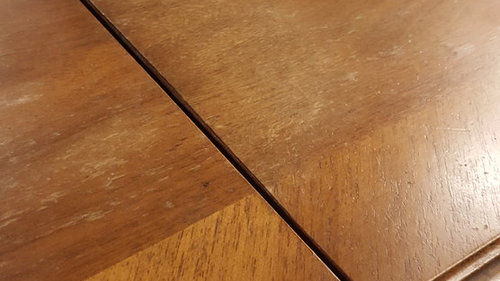
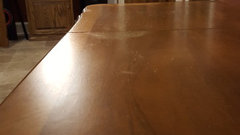
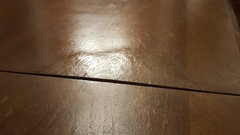
Options to repair this water damage?
11 years ago
last modified: 11 years ago
Featured Answer
Sort by:Oldest
Comments (14)
 11 years ago
- 11 years ago
Related Professionals
Boston Furniture & Accessories · Omaha Furniture & Accessories · Toledo Furniture & Accessories · Farmington Furniture & Accessories · Vancouver Furniture & Accessories · Fort Smith Interior Designers & Decorators · Taunton Interior Designers & Decorators · Toledo Interior Designers & Decorators · Clovis Interior Designers & Decorators · Oxford Carpenters · Athens Carpenters · Bangor Carpenters · Cleveland Carpenters · Kenosha Carpenters · Cheyenne Carpenters PRO11 years agolast modified: 11 years ago
- 11 years ago
 PRO11 years ago
- 11 years ago
- PRO11 years ago
- 11 years agolast modified: 11 years ago
- 11 years ago
- PRO11 years ago
- 11 years ago
- PRO11 years ago
- 10 years ago
Related Stories
HOUSEKEEPINGProtect Your House From Winter Water Damage
Avoid costly repairs by learning to spot potential problem areas before water damage is done
Full Story
BATHROOM TILEQuick Fix: Repair Cracked Bathroom Grout
Banish an eyesore and safeguard your bathroom from water damage in 30 minutes or less with this DIY repair
Full Story
DISASTER PREP & RECOVERYRemodeling After Water Damage: Tips From a Homeowner Who Did It
Learn the crucial steps and coping mechanisms that can help when flooding strikes your home
Full Story
BATHROOM DESIGNWater Damage Spawns a Space-Saving Bathroom Remodel
A game of inches saved this small New York City bathroom from becoming too cramped and limited
Full Story
WINDOW TREATMENTSA Surefire Way to Prevent Sun Damage Indoors
Why let light ruin your furniture, floors and artwork, when the solution could be as simple as applying high-quality window film?
Full Story
RUGSPrevent Slips and Floor Damage With the Right Rug Pad
Here's what to know about sizes, materials, costs and maintenance of this important companion to your area rugs
Full Story
GREAT HOME PROJECTSHow to Give Your Driveway and Front Walk More Curb Appeal
Prevent injuries and tire damage while making a great first impression by replacing or repairing front paths
Full Story
KITCHEN COUNTERTOPSKitchen Counters: Concrete, the Nearly Indestructible Option
Infinitely customizable and with an amazingly long life span, concrete countertops are an excellent option for any kitchen
Full Story
KITCHEN COUNTERTOPSKitchen Counters: Plastic Laminate Offers Options Aplenty
Whatever color or pattern your heart desires, this popular countertop material probably comes in it
Full Story
REMODELING GUIDES8 Ecofriendly Roof Options for Low Budgets and Up
Save resources with a cooling or sustainable roof or add-on that looks great and fits your price range
Full Story
Sponsored
More Discussions

Al Fortunato Furnituremaker