Software
Houzz Logo Print
duncanjoshuae

Overseed or start over?

11 years ago
last modified: 11 years ago

Hello,

I recently purchased a house in Greenville, SC this past summer with a lawn in desperate need of maintenance. I've never been a homeowner before so I've been reading a lot but haven't really put my foot in the water yet. When we got the house it was about 80% weeds (mostly clover and crabgrass I think). I'm not an expert on grass identification but it seems what little bit is there is a mixture of some type of fescue and Bermuda or centipede perhaps.

Since it was in the middle of summer I couldn't do very much seeding so I treated the lawn for clover and mostly just mowed the grass for the rest of the summer. I did recently spread Scotts Turfbuilder w/winterguard in September.

My goal for the lawn is to be full Bermuda with no weeds obviously. I do not have the money to sod a 1/2 acre lawn and I'm not even looking for results that fast. I would just like to know if its necessary to scalp and seed or do you think I could just treat the lawn for weeds in the Spring and overseed with Bermuda? Will the Bermuda eventually choke out all the fescue that's already there?

Lawn · More Info

Lawn · More Info

Lawn · More Info

Lawn · More Info

Comments (8)

  • 11 years ago

    Generally the fescue is a less dominant plant and will get taken over by the bermuda. So I would not do anything except to begin taking care of the bermuda at the expense of the rest of the grasses.

    There are two different documents called The Bermuda Bible available on the web. They go into more detail but here's a summary of the care program.

    Monthly when the grass is green - fertilize with a high N and zero PK fertilizer. Water chemical fertilizers down to wash them off the grass blades and down onto the soil. This will partially dissolve them and keep them from dissolving on the grass blades themselves.

    Weekly - mulch mow at the mower's lowest (or next to lowest) setting, 2x to 3x to keep it from developing seed heads. Mow once or twice at the lowest setting. This should cut everything off leaving brown stubble. Then raise it up one notch for the rest of the year.

    Watering - deep water once per week during the hottest heat of summer and back off to once monthly as the temps cool off. Deep means 1 inch as measured by filling cat food or tuna cans placed around the yard.

    In addition to, or instead of, at least one of the chemical fertilizer apps, I would suggest once a year applying an organic fertilizer like alfalfa pellets, soybean meal, or Milorganite. Why? Because a steady diet of chemicals does no favors for the biology in the soil. By using organics at least once a year the biology will support the chemical program better. You can get the alfalfa, etc. at your local feed store. The application rate is 15-20 pounds per 1,000 square feet. You can apply organics the same day as the chemicals. They cannot hurt the grass.

    For clover and other tenacious weeds, you might need Weed-B-Gone Chickweed, Clover, and Oxalis killer. It's stronger than normal Weed-B-Gone. Stay away from weed n feed products. They are hard to apply correctly and generally don't work like people expect them to.

  • 11 years ago

    I missed the overseed part. You don't need to over seed bermuda. If you EVER think you need to overseed it, come here and find out what you're doing wrong. The only time it thins out is in the shade...or if you aren't doing the three things suggested above.

  • 11 years ago

    I would just nurture the current Bermuda areas & buy a few squares of sod each week to plug or patch the bare spots. If you wanted it green & sexy this year, you would need to sod the whole thing at once, but a little at a time will get it done in 2 years or so. You can sod Bermuda while dormant so keep patching & plugging as long as your sod store can supply the greens. Get a sprayer for the weeds & start a pre M to keep them from coming back. Of course, dc & morpheus will whisper the gospel of the dirt for ya!

  • 11 years ago

    Others may think I'm nuts but here's what I'd do. Buy a tool called PROPLUGGER it's awesome for plugging zoysia and Bermuda. Your on warm seasons last leg for fall. Perennial weeds round up them all when the Bermuda goes dormant in the winter. Then apply a premenrgant in early spring to control crab grass. When it's after fertilizer . Back to green and growing start the plugging process where the Bermuda is thick and put it in the rough areas. Put topsoil or sand where you harvested the plugs at. Your done. It will take over everything

  • 11 years ago

    Amen. It will take over EVERYTHING

  • 11 years ago
    last modified: 11 years ago

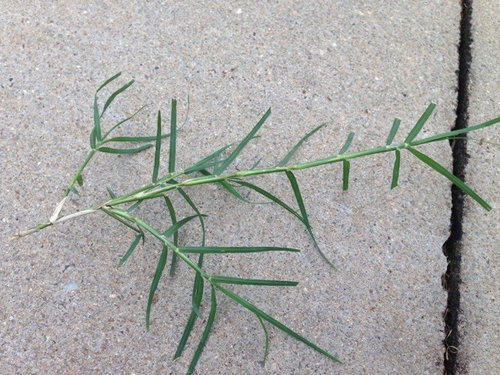
    First: Is the grass posed in that last picture actually Bermuda? I think that's what I have a little bit of but I'm not 100% sure.

    Second: Would it be ok to de thatch and use a broadcast spreader to seed Bermuda in the spring?

    Again my lawn is mostly crabgrass with about 20% Bermuda, or what I think is Bermuda, and 20% of a mixture of types of Fescue (I guess). I had planned on waiting until cold weather and digging up anything that's not brown, since Bermuda turns brown, and trying to broadcast spread seed next spring. I have no idea if that's a good plan or not, just what I had in mind.

  • 11 years ago

    Bermuda will turn brown in winter, but that does look like common Bermuda to me. If you're gonna try seeding Bermuda, do it just before a tropical storm because you'll need a lot of water for a long time, plus a little luck.

  • 11 years ago

    Also if you're going to seed it you have to wait until after spring is over. Bermuda seed sprouts in HOT soil, not warm soil. June would be the earliest time to think about seeding.

    You'll have less crabgrass if you stick to the watering program I mentioned. In general you should water once a month until the temps get into the 70s. Then move to once every 3 weeks. With temps in the 80s go to once every 2 weeks. When the temps finally get into the 90s you can go to once a week watering. Crabgrass seed needs to be kept moist for a couple days to sprout. If you can let the soil surface dry out completely before you water again, the crabgrass cannot get started.