

Samsung Slide-in Induction Range
11 years ago
Sort by:Oldest
Comments (4)
Related Stories
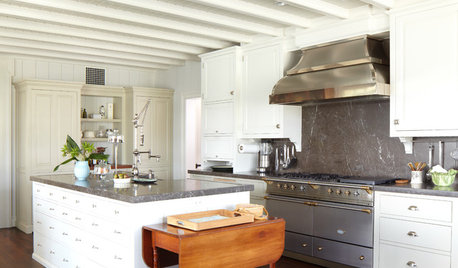
KITCHEN DESIGNHow to Find the Right Range for Your Kitchen
Range style is mostly a matter of personal taste. This full course of possibilities can help you find the right appliance to match yours
Full Story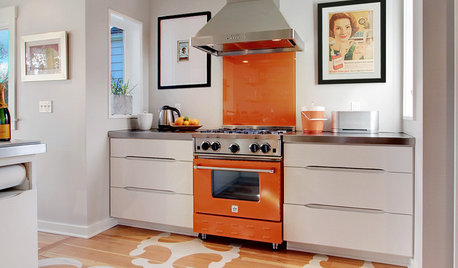
HOUSEKEEPINGHow to Clean Your Range and Oven
Experts serve up advice on caring for these kitchen appliances, which work extra hard during the holidays
Full Story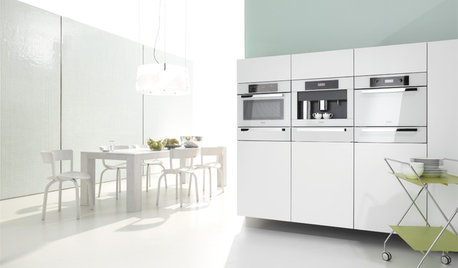
KITCHEN DESIGNWhite Appliances Find the Limelight
White is becoming a clear star across a broad range of kitchen styles and with all manner of appliances
Full Story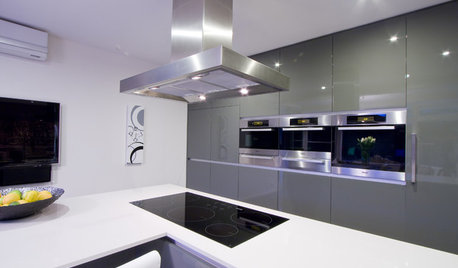
KITCHEN APPLIANCESFind the Right Cooktop for Your Kitchen
For a kitchen setup with sizzle, deciding between gas and electric is only the first hurdle. This guide can help
Full Story
TRAVEL BY DESIGNPro Secrets for Taking Fantastic Travel Photos With Your Phone
When great design and family antics catch your eye, capture the memories with photos that tell a story
Full Story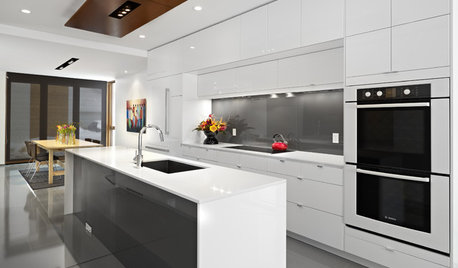
KITCHEN APPLIANCESFind the Right Oven Arrangement for Your Kitchen
Have all the options for ovens, with or without cooktops and drawers, left you steamed? This guide will help you simmer down
Full Story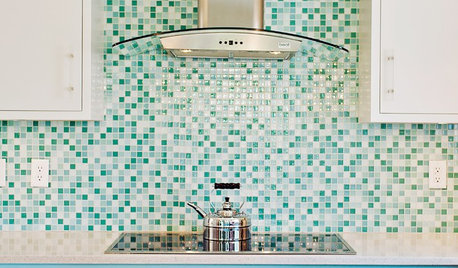
KITCHEN DESIGN9 Popular Stovetop Options — Plus Tips for Choosing the Right One
Pick a stovetop that fits your lifestyle and your kitchen style with this mini guide that covers all the basics
Full Story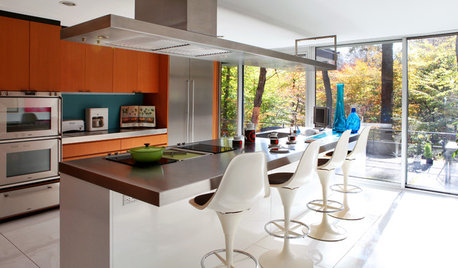
KITCHEN APPLIANCESLove to Cook? You Need a Fan. Find the Right Kind for You
Don't send budget dollars up in smoke when you need new kitchen ventilation. Here are 9 top types to consider
Full Story
KITCHEN DESIGNStay Cool About Picking the Right Refrigerator
If all the options for refrigeration leave you hot under the collar, this guide to choosing a fridge and freezer will help you chill out
Full Story
KITCHEN DESIGNKitchen of the Week: Function and Flow Come First
A designer helps a passionate cook and her family plan out every detail for cooking, storage and gathering
Full Story
Reviewed.com
jwvideo
Related Professionals
Paducah Kitchen & Bathroom Designers · Philadelphia Kitchen & Bathroom Designers · Beaumont Kitchen & Bathroom Designers · Grand Island Kitchen & Bathroom Designers · Nashua Kitchen & Bathroom Designers · Grand Junction Kitchen & Bathroom Designers · Juneau Kitchen & Bathroom Designers · Hilo Kitchen & Bathroom Designers · Pine Bluff Bathroom Remodelers · Fort Myers Bathroom Remodelers · Cookeville Bathroom Remodelers · Yakima Bathroom Remodelers · Chattanooga Kitchen Remodelers · Waterbury Kitchen Remodelers · Vancouver Kitchen RemodelersReviewed.com
dan1888