

flush mount kitchen ventilation
10 years ago
Sort by:Oldest
Comments (3)
Related Stories
DECORATING GUIDES11 Lighting Fixtures That Rethink the Flush Mount
Think flush-mount lighting equals frumpy and fluorescent? These brilliant beauties for the kitchen, bath and beyond will change your mind
Full Story
LIGHTINGWhy It’s High Time to Reconsider Flush-Mount Lights
Look past your negative perceptions and see how versatile these lights can be
Full Story
Guest Picks: Flat-Out-Gorgeous Flush Mounts
Things are looking up for your ceiling, thanks to lighting fixtures that stay out of the way but stand out for their style
Full Story
BATHROOM DESIGNGreen and Clean: Ventilate for a Healthy Bathroom
Ridding your bathroom of excess moisture is vital for indoor air quality. Here's how to do it best
Full Story
KITCHEN APPLIANCESLove to Cook? You Need a Fan. Find the Right Kind for You
Don't send budget dollars up in smoke when you need new kitchen ventilation. Here are 9 top types to consider
Full Story
KITCHEN DESIGNHow to Choose the Right Hood Fan for Your Kitchen
Keep your kitchen clean and your home's air fresh by understanding all the options for ventilating via a hood fan
Full Story
BATHROOM DESIGNShould You Get a Recessed or Wall-Mounted Medicine Cabinet?
Here’s what you need to know to pick the right bathroom medicine cabinet and get it installed
Full Story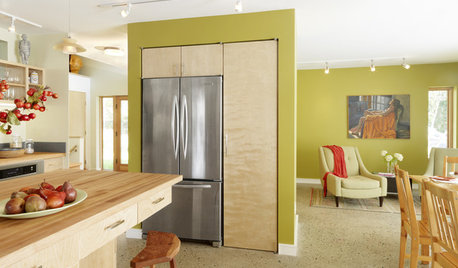
REMODELING GUIDESGet the Look of a Built-in Fridge for Less
So you want a flush refrigerator but aren’t flush with funds. We’ve got just the workaround for you
Full Story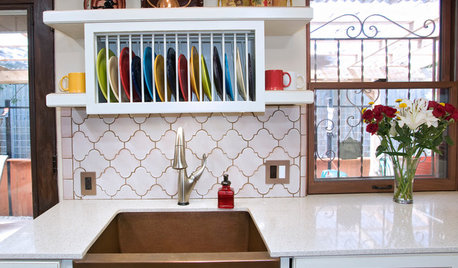
KITCHEN DESIGNDish-Drying Racks That Don’t Hog Counter Space
Cleverly concealed in cabinets or mounted in or above the sink, these racks cut kitchen cleanup time without creating clutter
Full Story
HOUZZ TOURSHouzz Tour: Mexican Home Gets an All-Access Pass
Flush thresholds and ramps are just some of the universal design features that make this Cabo Pulmo home entirely wheelchair accessible
Full Story
friedajune
kaseki
Related Professionals
Atlantic City Kitchen & Bathroom Designers · Jackson Kitchen & Bathroom Designers · Fort Dodge Kitchen & Bathroom Designers · Saginaw Kitchen & Bathroom Designers · Sault Ste. Marie Kitchen & Bathroom Designers · Minneapolis Kitchen & Bathroom Designers · Williamsport Kitchen & Bathroom Designers · Provo Kitchen & Bathroom Designers · Kahului Kitchen & Bathroom Designers · Jackson Bathroom Remodelers · Lynchburg Bathroom Remodelers · Bangor Bathroom Remodelers · Rocky Mount Kitchen Remodelers · Colorado Springs Kitchen Remodelers · Cheyenne Kitchen RemodelersUser