

scraps from the grocer ...
10 years ago
Featured Answer
Sort by:Oldest
Comments (8)
 10 years ago
 10 years ago
Related Professionals
Saint Joseph Landscape Architects & Landscape Designers · Honolulu Landscape Architects & Landscape Designers · Cumberland Landscape Contractors · Enid Landscape Contractors · Worcester Landscape Contractors · Westerly Landscape Contractors · Burlington Landscape Contractors · Marinette Landscape Contractors · Flagstaff Landscape Contractors · Napa Landscape Contractors · Sarnia Landscape Contractors · Wilmington Stone, Pavers & Concrete · Monroe Stone, Pavers & Concrete · Milwaukee Stone, Pavers & Concrete · Pueblo Stone, Pavers & Concrete- 10 years agolast modified: 10 years ago
- 10 years ago
- 10 years ago
- 10 years ago
- 10 years ago

Related Stories
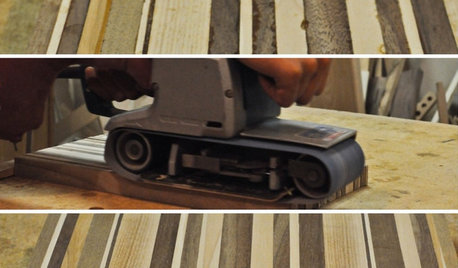
DIY PROJECTSFashion a High-Quality Cutting Board From Scrap Wood
Waste not, want not. This DIY project saves scraps from the landfill, hones your woodworking skills and produces a gorgeous kitchen piece
Full Story
WOODWORKING5 Holiday Decorations to Craft From Scrap Wood
Give them as gifts or let your own home reap the rewards — these quality crafted pieces will last through many holidays to come
Full Story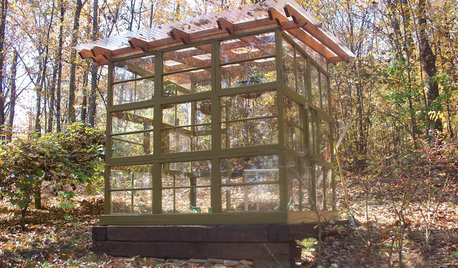
GARDENING AND LANDSCAPINGSee a Family Greenhouse Grown From Scraps
Can-do resourcefulness and less than $400 lead to a new 8- by 8-foot home for plants on a Tennessee family's property
Full Story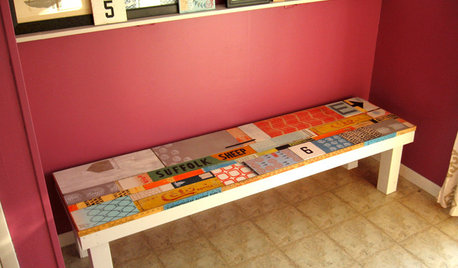
WOODWORKINGDIY Project: Artful Scrap-Wood Bench
Salvage signs, block-printed wood and a secret compartment turn a handmade bench into an interactive work of art
Full Story
HEALTHY HOME6 Tips From a Nearly Zero-Waste Home
Lower your trash output and increase your quality of life with these ideas from a mom who did it to the max
Full Story
HOUZZ TVHouzz TV: See a Funky Beach Home Made From Old Streetcars
A bold color palette zaps life into a Santa Cruz, California, home built out of two streetcars from the early 1920s
Full Story
RUGSGuest Picks: 20 Rugs from Around the World
Make a global statement underfoot with floor coverings from Peru, Morocco, Turkey and beyond
Full Story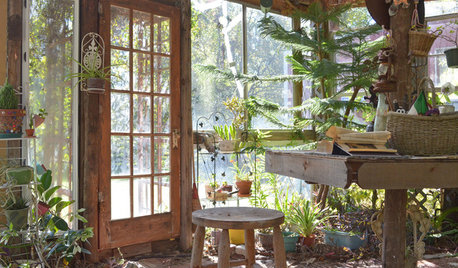
GREENHOUSESA Greenhouse Rises From Texas Tornado Wreckage
Barn damage became a blessing in disguise for a thrifty, creative couple with a hankering for more greenery
Full Story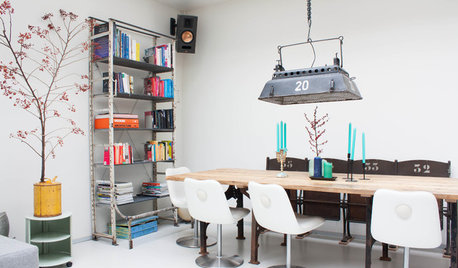
HOUZZ TOURSMy Houzz: From Dreary Storeroom to Modern, Light-Filled Home
Tricks with light and space turn a former storage area into a bright and airy-feeling living space for two
Full Story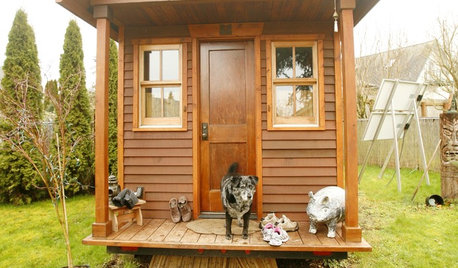
SMALL SPACESLife Lessons From 10 Years of Living in 84 Square Feet
Dee Williams was looking for a richer life. She found it by moving into a very tiny house
Full StorySponsored

Columbus Design-Build, Kitchen & Bath Remodeling, Historic Renovations
toxcrusadr