

Potato Tower and Bagged Compost
10 years ago
Sort by:Oldest
Comments (8)

Related Stories

COOL-SEASON CROPSCool-Season Vegetables: How to Grow Potatoes
This ever-popular tuber is a stalwart in spring and fall gardens and a staple in kitchens everywhere
Full Story
GARDENING GUIDESGet on a Composting Kick (Hello, Free Fertilizer!)
Quit shelling out for pricey substitutes that aren’t even as good. Here’s how to give your soil the best while lightening your trash load
Full Story
FALL GARDENING5 Ways to Put Fall Leaves to Work in Your Garden
Improve your soil and yard the organic way with a valuable garden booster that grows on trees
Full Story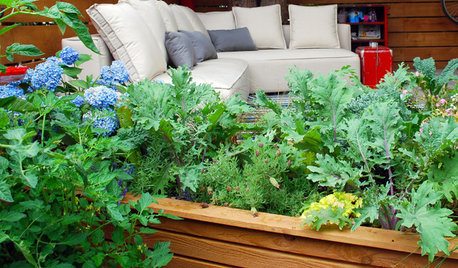
GARDENING GUIDESStep Right Outside for Fresh Herbs and Vegetables
Decks and patios can be convenient spots for edibles, and sometimes they even offer advantages over backyard gardens
Full Story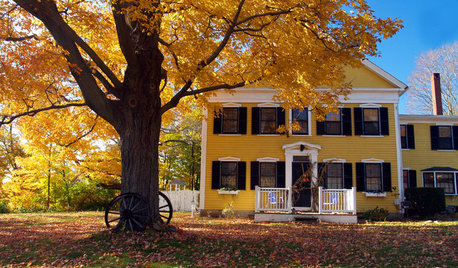
LIFETo-Dos: Your October Home Checklist
It’s a great time to clean your gutters, swap out seasonal clothes and wallow in favorite fall traditions. What’s on your October list?
Full Story
KITCHEN DESIGN12 Items Worth a Spot on Your Kitchen Counter
Keep these useful tools and accessories out in the open to maintain high function without spoiling the view
Full Story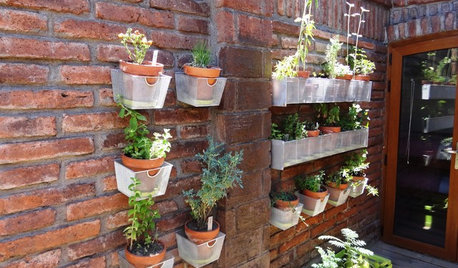
EDIBLE GARDENSHouzz Call: Where Are the Craziest Places You Grow Edibles?
Basil in a bathtub, spinach stacked up a wall ... If your edibles occupy an odd spot, we’d like to know
Full Story
FARM YOUR YARDHow to Grow Vegetables in Containers
Get glorious vegetables and fruits on your patio with a pro’s guidance — including his personal recipe for potting mix
Full Story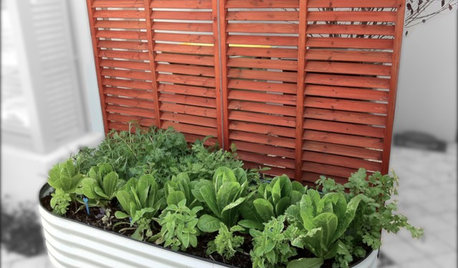
FEEL-GOOD HOME21 Ways to Waste Less at Home
Whether it's herbs rotting in the fridge or clothes that never get worn, most of us waste too much. Here are ways to make a change
Full Story
MOST POPULARHow to Get Rid of Those Pesky Summer Fruit Flies
Learn what fruit flies are, how to prevent them and how to get rid of them in your home
Full Story
rayzone7
User
Related Professionals
Hannibal Landscape Architects & Landscape Designers · Fayetteville Landscape Architects & Landscape Designers · Raleigh Landscape Architects & Landscape Designers · Williamsburg Landscape Architects & Landscape Designers · Waterloo Landscape Architects & Landscape Designers · Clarksville Landscape Contractors · Marquette Landscape Contractors · Muskegon Landscape Contractors · El Paso Landscape Contractors · Billings Landscape Contractors · Spartanburg Stone, Pavers & Concrete · Barnstable Stone, Pavers & Concrete · Saginaw Stone, Pavers & Concrete · Minneapolis Stone, Pavers & Concrete · Eugene Stone, Pavers & ConcreteAmber (10a)Original Author
kimmq
MaryMcP Zone 8b - Phx AZ
toxcrusadr
Lloyd
MaryMcP Zone 8b - Phx AZ