

Jacking up a house
10 years ago
Featured Answer
Sort by:Oldest
Comments (12)
 10 years ago
 10 years ago
Related Professionals
Hot Springs Home Remodeling · Gainesville Home Remodeling · Bartlesville Home Remodeling · Tyler Home Remodeling · Cleveland Home Remodeling · Yuma Home Remodeling · Odessa Home Remodeling · Kennewick Home Remodeling · Waterloo Home Builders · Olympia Home Builders · Houston Kitchen & Bathroom Designers · Petersburg Kitchen & Bathroom Designers · Altoona Kitchen & Bathroom Designers · Saint Marys Kitchen & Bathroom Designers · Honolulu Kitchen & Bathroom Designers- 10 years ago
- 10 years ago
- 10 years ago
 PRO10 years ago
- 10 years ago
- 10 years ago
- 10 years ago
- 10 years ago
- 10 years ago

Related Stories
DECORATING GUIDES6 Ways to Warm Up Your Home With Accessories
Outsmart Jack Frost with snuggly throws and rugs, glowing lights and pieces that gleam
Full Story
MOST POPULARA Magical Tree House Lights Up for Christmas
From the Most Popular file: An incredible tree house takes things up a notch for the holidays. See how it came to be
Full Story
LIFEHouzz Call: Show Us the House You Grew Up In
Share a photo and story about your childhood home. Does it influence your design tastes today?
Full Story
REMODELING GUIDESHouse Planning: When You Want to Open Up a Space
With a pro's help, you may be able remove a load-bearing wall to turn two small rooms into one bigger one
Full Story
MOST POPULARThe Polite House: On ‘No Shoes’ Rules and Breaking Up With Contractors
Emily Post’s great-great-granddaughter gives us advice on no-shoes policies and how to graciously decline a contractor’s bid
Full Story
REMODELING GUIDESMovin’ On Up: What to Consider With a Second-Story Addition
Learn how an extra story will change your house and its systems to avoid headaches and extra costs down the road
Full Story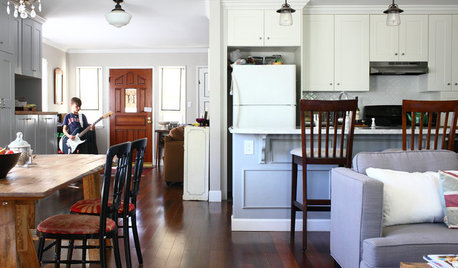
HOUZZ TOURSMy Houzz: 1940s Fixer-Upper Grows Up With the Family
After living in their post–World War II house for 8 years, a couple transform it into a home that works for their family today
Full Story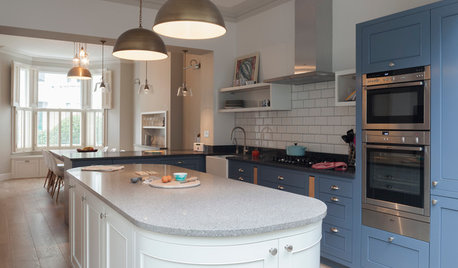
HOMES AROUND THE WORLDTraditional Kitchen Opens Up and Lightens Up
Removing a wall was key to creating a large kitchen and dining space for family life in this London house
Full Story
DECORATING GUIDESPretty Up Pumpkins With Paint
Put down the carving knife — we've got a better way to prep your pumpkins for Halloween
Full Story
CONTEMPORARY HOMESHouzz Tour: Dressed Up With a Bow Tie in Arkansas
Shaped just like its name, this home responds to the lay of the land along with the client’s needs
Full Story

klem1