

PTO electric clutch
10 years ago
Sort by:Oldest
Comments (8)

Related Stories
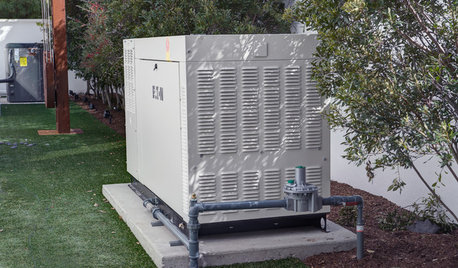
DISASTER PREP & RECOVERYMore Power to You: How to Pick the Right Generator
If your home's electricity goes, don't let it take your necessities with it — keep systems running with this guide to backup power
Full Story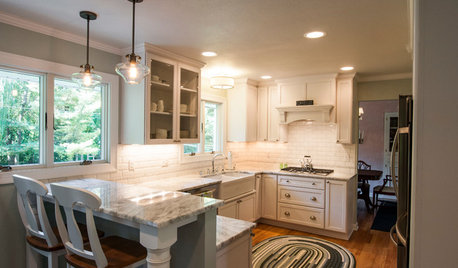
KITCHEN OF THE WEEKKitchen of the Week: 27 Years in the Making for New Everything
A smarter floor plan and updated finishes help create an efficient and stylish kitchen for a couple with grown children
Full Story
DECORATING GUIDES10 Ways to Update a Victorian Living Room
Bring your period living room sensitively into the 21st century with these simple yet effective design tricks
Full Story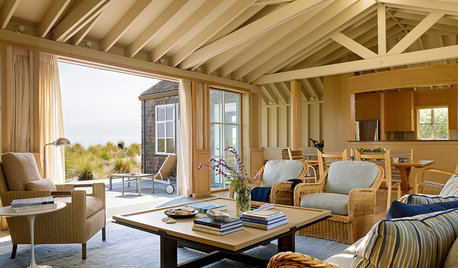
HEALTHY HOME16 Ideas for a Healthy, Feel-Good Home
Making these small tweaks and bigger shifts at home can help you thrive everywhere you go
Full Story
SMALL SPACES8 Challenges of Cottage Living
‘Small rooms or dwellings discipline the mind,’ Leonardo da Vinci once said. Just how much discipline can you handle?
Full Story
COFFEE WITH AN ARCHITECTAn Architect's Tool Kit
These 13 tools of the trade help architects make the magic happen
Full Story
DECORATING GUIDESYour Guide to Window Treatments
The right window treatments can provide privacy, light control and safety — or just better style
Full Story
CONTEMPORARY HOMESHouzz Tour: Sleek and Neat in Toronto
Clean lines and generous hidden storage give a renovated home for 4 a more spacious look without a bit of clutter
Full Story
TASTEMAKERSCatching Up With the Queen of Shabby Chic
Rachel Ashwell defined a style embraced by countless fans over the past 25 years. Find out what she’s turning her sights to now
Full Story
CLOSETSHouzz Call: Is Your Closet a Storage Powerhouse?
We want to see how you are making the most of your closet storage areas. Post pictures and tell us how you’ve organized them
Full Story
Sponsored
tomplum
Joe MillerOriginal Author
Related Professionals
Jacksonville Landscape Architects & Landscape Designers · Billings Landscape Architects & Landscape Designers · Ogden Landscape Architects & Landscape Designers · Albany Landscape Contractors · Evansville Landscape Contractors · Greenville Landscape Contractors · Sugar Land Landscape Contractors · Toledo Landscape Contractors · Santa Fe Landscape Contractors · Bend Landscape Contractors · Atlanta Architects & Building Designers · Elkton Architects & Building Designers · Parkersburg Architects & Building Designers · Pittsburgh Architects & Building Designers · Montrose Architects & Building Designerstomplum
exmar zone 7, SE Ohio
exmar zone 7, SE Ohio
Joe MillerOriginal Author
exmar zone 7, SE Ohio
Joe MillerOriginal Author