

Soil preparation for sod
10 years ago
Sort by:Oldest
Comments (6)
Related Stories

GARDENING GUIDESHow to Plant a New Lawn From Sod
Take the quick-start route to turf with sod; these installation guidelines will help ensure a healthy and long-lasting lawn
Full Story
GARDENING GUIDESGardening Solutions for Heavy Clay Soils
What’s a gardener to do with soil that’s easily compacted and has poor drainage? Find out here
Full Story
GARDENING GUIDESGardening Solutions for Dry, Sandy Soils
Has your desert or beachy site withered your gardening creativity? Try these ideas for a beautiful, easy-care landscape
Full Story
GARDENING GUIDESHow to Stop Worrying and Start Loving Clay Soil
Clay has many more benefits than you might imagine
Full Story
GARDENING GUIDESHow to Prep Your Ground for a Healthy New Lawn
Seed or sod that falls on weedy, lumpy soil is a wasted effort. Follow these steps to ensure that your new lawn will thrive
Full Story
GARDENING GUIDESHow to Plant a New Lawn From Seed
Choose from more grass varieties and save money over sod by starting your lawn from seed
Full Story
GARDENING GUIDESSouthern California Gardener's September Checklist
Before prime planting time, clean out the old garden, prepare for the new, and dream up ideas for fall flowers and veggies
Full Story0
GRASSESHow to Rock a Lawn
Weekend Project: The key to healthy grass begins with the soil. If turf works for you, here’s how to fix it and keep it looking its best
Full Story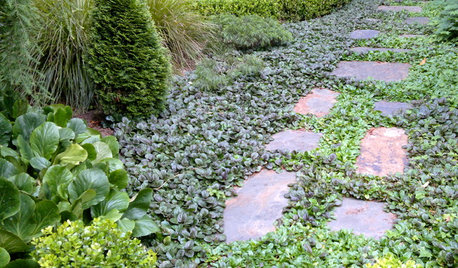
GROUND COVERSGround Force: 10 Top Ground Covers for Your Garden
Protect your soil from weeds and drought this summer with a living mulch of ground covers
Full Story
EDIBLE GARDENSNatural Ways to Get Rid of Weeds in Your Garden
Use these techniques to help prevent the spread of weeds and to learn about your soil
Full Story
dchall_san_antonio
katescottagegardenOriginal Author
Related Professionals
Dover Landscape Architects & Landscape Designers · Port Saint Lucie Landscape Architects & Landscape Designers · Charlotte Landscape Architects & Landscape Designers · Eau Claire Landscape Architects & Landscape Designers · Tucson Landscape Architects & Landscape Designers · Fayetteville Landscape Contractors · Webster Landscape Contractors · Farmington Landscape Contractors · Vancouver Landscape Contractors · Greenville Home Builders · Muncie Home Builders · Napa Home Builders · Lewiston Home Builders · Minot Home Builders · Rapid City Home Buildersdchall_san_antonio
Tom
katescottagegardenOriginal Author
dchall_san_antonio