

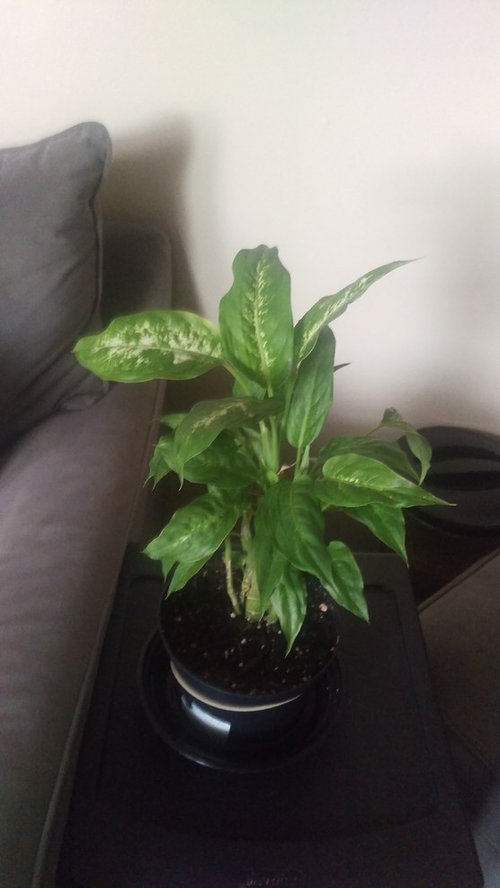
Is this normal--Dumb cane question
10 years ago

Featured Answer
Sort by:Oldest
Comments (10)
 10 years ago
 10 years ago
Related Professionals
Wilmington Landscape Architects & Landscape Designers · Greenville Landscape Architects & Landscape Designers · Auburn Landscape Architects & Landscape Designers · Worthington Landscape Architects & Landscape Designers · DeRidder Landscape Contractors · Westminster Landscape Contractors · Leominster Landscape Contractors · Muskegon Landscape Contractors · Grand Island Landscape Contractors · Wheeling Landscape Contractors · Mesquite Landscape Contractors · Cowansville Landscape Contractors · Dalton Interior Designers & Decorators · Anniston Interior Designers & Decorators · Hobbs Interior Designers & Decorators 10 years ago
- 10 years ago
- 10 years ago
- 10 years agolast modified: 10 years ago
- 10 years agolast modified: 10 years ago
- 10 years ago
- 10 years ago
Related Stories

REMODELING GUIDESConsidering a Fixer-Upper? 15 Questions to Ask First
Learn about the hidden costs and treasures of older homes to avoid budget surprises and accidentally tossing valuable features
Full Story
GARDENING FOR BUTTERFLIESGreat Design Plant: Ocotillo for High-Reaching Flair
Add a dramatic accent to a dry landscape with this striking desert plant silhouetted against the sky
Full Story
FURNITURECure Your Addiction to ‘Busy’ With a Dreamy Daybed
Why spend your life rushing around when you can have downtime on a daybed as inviting as these?
Full Story
HOMES AROUND THE WORLDWorld of Design: A House That’s Barely There
A rural Australian home blurs the boundaries between indoors and outdoors, camping and permanence, privacy and transparency
Full Story
KITCHEN DESIGNHouzz Quiz: Which Kitchen Backsplash Material Is Right for You?
With so many options available, see if we can help you narrow down the selection
Full Story
GREEN BUILDINGWhat's LEED All About, Anyway?
If you're looking for a sustainable, energy-efficient home, look into LEED certification. Learn about the program and its rating system here
Full Story
WINTER GARDENINGPruning Secrets for Exquisite Roses
Encourage gorgeous blooms year after year with this time-tested advice on how to prune your rosebush in winter for health and shape
Full Story
HOME TECHWhy Google Just Paid $3.2 Billion for a Company That Makes Thermostats
Smart home technology just got a new champion — and everyone is speculating about the reasons
Full Story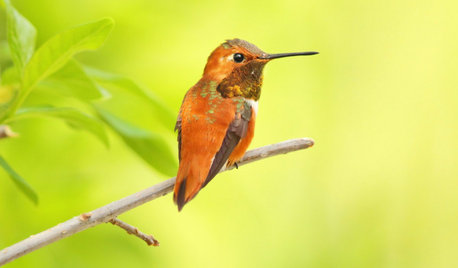
GARDENING GUIDESBackyard Birds: Invite Entertaining Hummingbirds Into Your Garden
Hummingbirds — unique to the Americas — zip through open landscapes seasonally or year-round. Here’s how to attract them
Full Story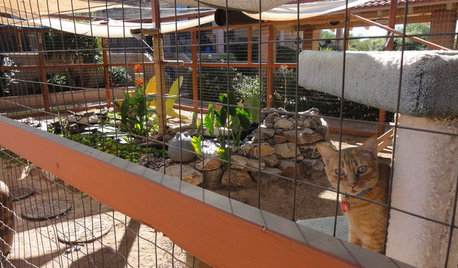
PETSSee a Deluxe 'Catio' Built for Feline Fun
Sixteen lucky cats get the run of a protected outdoor patio with ramps, steps and even a koi pond
Full Story



tapla (mid-Michigan, USDA z5b-6a)