Software
Houzz Logo Print
jdlaugh

Coffee grounds & egg shells

10 years ago
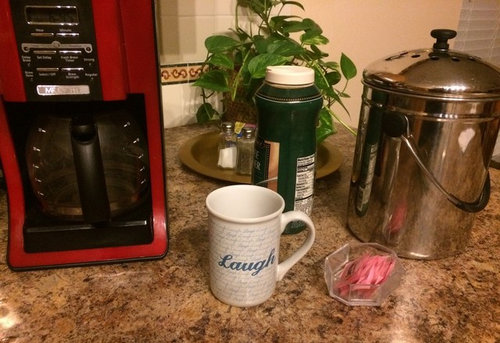
We compost our kitchen scraps, and it struck me recently that the two most consistent items that hit the pile are egg shells and coffee grounds. Being a number nerd, I started calculating what that means to our garden. I estimate 500+ egg shells a year go into the compost pile, along with 45-50 pounds of used coffee grounds and the associated filters. Of course, we also have assorted peelings, trimmings & leftover bits.

I know coffee grounds add nitrogen and egg shells add calcium. I wonder if either could become too much of a good thing? We have about 150 feet of 3-foot-wide beds.


Our stainless steel compost bucket makes the trip out back 2-3 times a week.
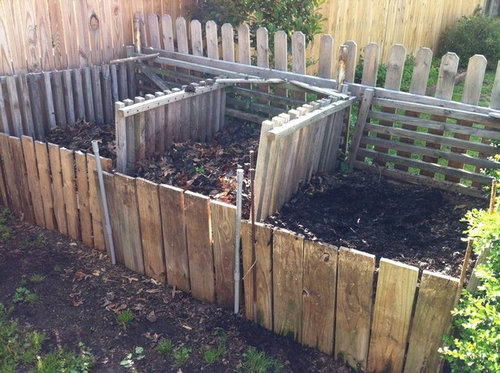
Compost bins. One on the right is near ready, while the other two still have fall leaves waiting for the addition of spring grass clippings.

Comments (5)

  • 10 years ago

    Do you know the pH of the soil to which you add the compost? Much about how I'd answer would depend on whether your soil is strongly alkaline or strongly acidic, or if it is merely in the neutral range.

  • 10 years ago
    last modified: 10 years ago

    I had my soil tested a few weeks back. My garden soil tested at 7.5 for ph, and the extension service recommended 10 lbs of sulfur per 1,000 square feet, which translates to about 4.5 pounds for my little garden. Nitrogen was at 35, in the low category, while phosphorus was high at 470. I added a bit of 34-0-0 to bring up the N level.

    Given the large amount of wood-chip mulch I've used over the past couple of years, I wasn't terribly surprised by the low N, but had thought the compost and mulch would help keep my soil in the neutral range. I've read that fresh coffee grounds are acid, but tend toward neutral after they're used. On the flip side, eggs shells tend toward alkaline and I've probably added a few thousand to my compost pile over the past several years....

  • 10 years ago

    Nitrogen often tests low even when it is present at good levels in the soil, especially in cool weather, and for this reason, some soil tests no longer even include nitrogen in the testing. Measurement of nitrogen is most meaningful and most accurate when the test is conducted during the warm growing season, not from early spring or late autumn testing, so I take nitrogen test results with a grain of salt. It wouldn't surprise me if you have more nitrogen in your soil than the test revealed.

    Eggshells break down into calcium carbonate really well in acidic conditions and not so well, if at all, once your pH reaches neutral to alkaline conditions. Since your soil is more on the alkaline side of the scale, I don't think it would be possible for the amount of eggshells you use to give you excessive calcium.

    Some people go to an extraordinary amount of effort to help their eggshells break down---crushing and pulverizing them to a very fine consistency, often using food processors and other such equipment to help get a fine, powdery consistency. Some soak the crushed eggshells in vinegar in an effort to help them break down. Some fertilize their plants with an eggshell tea. I just throw the shells on the compost pile and forget about them. They do break down, but I have highly alkaline soil so they break down slowly.

    I am going to link a blog post that goes into more detail about what this blogger has learned about egg shells through his reading and research. I think it is pretty interesting info.


    Eggshells---Do They Decompose.....


  • 10 years ago

    Thanks for the link and information! Guess that blows my theory on the egg shells contributing to the high pH levels. It was funny to read about that blogger's goal to test the decay rate of egg shells over a six year period. I do have little flecks of shell around the garden, but they mostly disappear in the compost pile by the time it's fully mature.

  • 10 years ago

    You're welcome.

    I thought his blog was interesting too, and I never know if my eggshells really break down or if they just disappear from the compost pile because every wild thing on earth goes to my compost pile and eats what they want.....and I think some of those wild things are eating my eggshells. My compost pile ends up being a fast food joint for deer, rabbits, possums, etc.

    My soil and water both tested over 8.0 in pH when we moved here, but I had gardened in alkalkine soil in Texas, so a pH that high did not totally freak me out. Our water stays at 8.2 most of the time, occasionally 8.3. By adding extreme amounts of compost and other organic matter over the years, I can keep our soil right around 7.0 most of the time (I've also used sulfur to lower the pH) but if I get lazy and don't add compost regularly the soil can revert to a higher pH and things get pretty ugly pretty quickly. It is not easy to change soil pH, and I cannot imagine a person ever could do it with eggshells, unless they have especially acidic soil (or lots of acid rain).

    Obviously I have no hope of ever growing acid-loving plants like blueberries or azaleas because even if I had them in containers or raised beds filled 100% with a peat moss-pine bark blend, I'd still be watering them with highly alkaline water unless I also treated the irrigation water to make it more acidic. That's more than I'm willing to do as there are only so many hours a day, especially in the prime gardening season when so many chores await. So, I just focus on fixing the soil as much as I can and am grateful so many garden plants will indeed perform well enough in alkaline soil to keep me happy.