

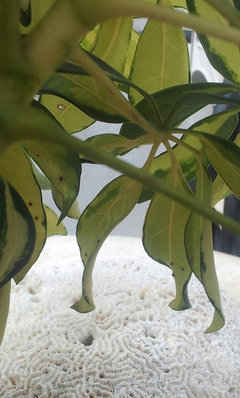
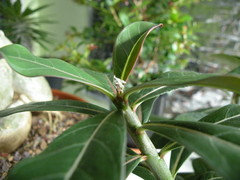
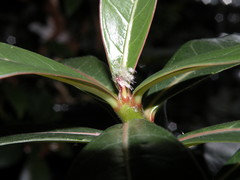
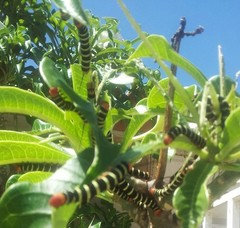
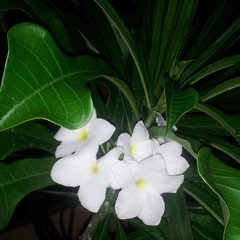
Please help! White stuff at flower base
10 years ago
last modified: 10 years ago
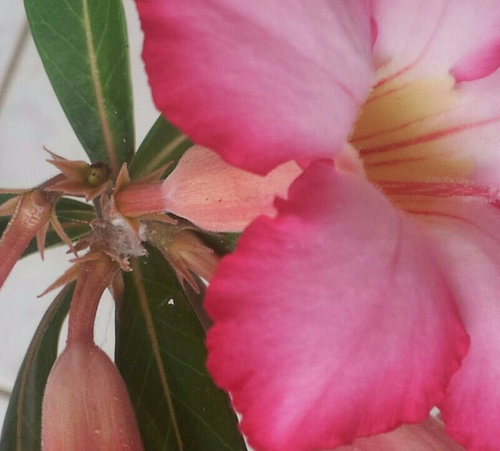
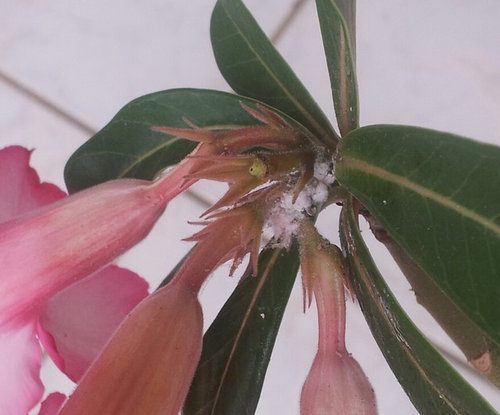
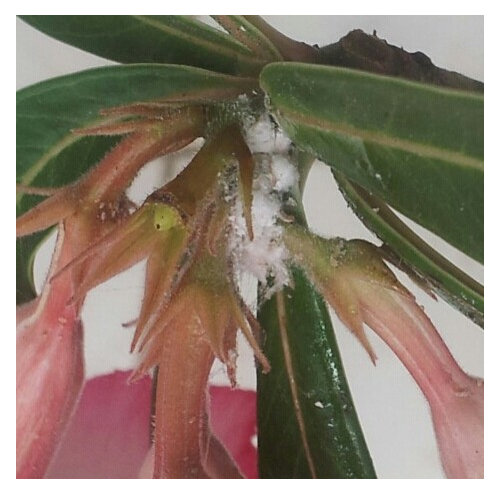
Featured Answer
Sort by:Oldest
Comments (14)
Related Professionals
Sebring Landscape Architects & Landscape Designers · Indianapolis Landscape Architects & Landscape Designers · Muskogee Landscape Architects & Landscape Designers · Taunton Landscape Architects & Landscape Designers · Portland Landscape Architects & Landscape Designers · Florence Accessory Dwelling Units · Annapolis Accessory Dwelling Units · Spartanburg Accessory Dwelling Units · Charlottesville Accessory Dwelling Units · Buffalo Accessory Dwelling Units · Grand Junction Accessory Dwelling Units · Sebring Architects & Building Designers · Miami Architects & Building Designers · Syracuse Architects & Building Designers · Pullman Architects & Building Designers- 10 years ago
- 10 years agolast modified: 10 years ago
- 10 years ago
 10 years ago
- 10 years agolast modified: 10 years ago
 10 years ago
- 10 years ago
- 10 years agoMaria Elena (Caribbean - USDA Zone 13a) thanked Marica 7 high Sierra's Ca 4,000ft
- 10 years ago
- 10 years agoMaria Elena (Caribbean - USDA Zone 13a) thanked Marica 7 high Sierra's Ca 4,000ft

Related Stories
GARDENING GUIDESGreat Design Plant: Ceanothus Pleases With Nectar and Fragrant Blooms
West Coast natives: The blue flowers of drought-tolerant ceanothus draw the eye and help support local wildlife too
Full Story
GARDENING GUIDESGreat Design Plant: Snowberry Pleases Year-Round
Bright spring foliage, pretty summer flowers, white berries in winter ... Symphoricarpos albus is a sight to behold in every season
Full Story
HOUSEPLANTSMother-in-Law's Tongue: Surprisingly Easy to Please
This low-maintenance, high-impact houseplant, also known as snake plant, fits in with any design
Full Story
DECORATING GUIDESDownsizing Help: Color and Scale Ideas for Comfy Compact Spaces
White walls and bitsy furniture aren’t your only options for tight spaces. Let’s revisit some decorating ‘rules’
Full Story
SELLING YOUR HOUSE10 Tricks to Help Your Bathroom Sell Your House
As with the kitchen, the bathroom is always a high priority for home buyers. Here’s how to showcase your bathroom so it looks its best
Full Story
SELLING YOUR HOUSEHelp for Selling Your Home Faster — and Maybe for More
Prep your home properly before you put it on the market. Learn what tasks are worth the money and the best pros for the jobs
Full Story
SELLING YOUR HOUSE10 Low-Cost Tweaks to Help Your Home Sell
Put these inexpensive but invaluable fixes on your to-do list before you put your home on the market
Full Story
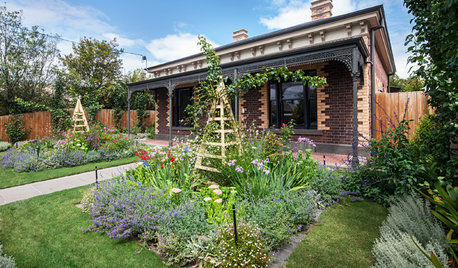
EDIBLE GARDENSAn Edible Cottage Garden With a Pleasing Symmetry
The owners of this cottage garden in Australia grow vegetables, herbs and fruit to delight their family and friends
Full Story
Sinha