Software
Houzz Logo Print
newmexmike

Lessons Learned by Spider Mites / Discussion

10 years ago
last modified: 10 years ago
Hello Everyone,

This season I had an absolutely awful time with spider
mites. I’m somewhat experienced with
pepper plants but this one almost beat me.
I’ll be direct and to the point.

  • Late last season, I saw some crinkled leaves. I couldn’t figure out if it was a bug or because of the 110 degree heat.
  • Everyone once in a while, I would see a little spec that
    almost looked like a tiny drop of water.
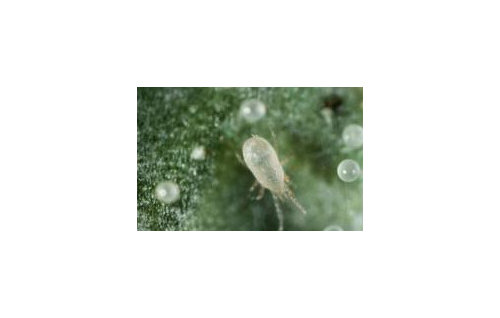
  • I now know that what I was seeing was an adult spider mite—not
    an egg.
  • I have about 27 plants.
    I overwintered them. During the
    winter, the
    mites continued to spread.
  • It’s looking like I might have a 96% success rate with my
    overwintering (1 of 27 dead).
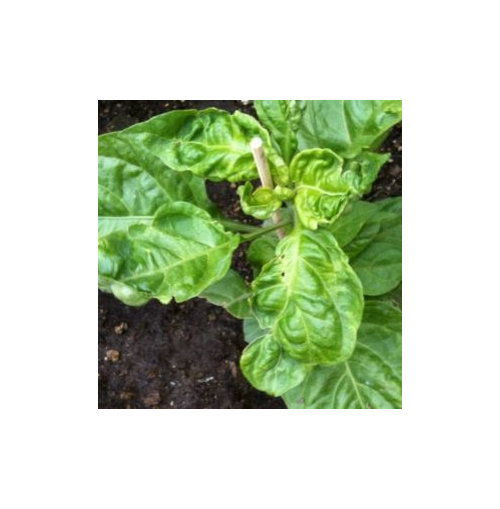
  • I put my plants back outside. My plants are no longer growing normal
    leaves. All the leaves are starting to
    look gnarled like this:
  • I buy a magnifying glass and finally confirm it is spider
    mites. These mites are roughly 1/32 of
    an inch in size. Without a magnifying glass
    and with my decent eyes, I can only spot the largest adults as a white spec.
  • These spider mites prefer new growth. They'll attack a leaf when it's 1 mm in size.
  • As usual, I put a systemic on all of my plants. Screw being organic. I also confirm that food-grade systemics DO
    NOT kill spider mites.
  • The spider mites are still there. I buy an oil based organic concentrate
    spray. It turns out that one of the ingredients in my spray is fish oil. It makes
    my plants smell like fish ass.
  • I follow the directions and spray the hell out of all my plants. Still mites.
    I spray the hell out of my plants again.
    Still mites. I spray the hell out
    of them about two times more.
  • The leaves on my plants start dropping off from being sprayed over and over.
  • Desperate, I cut the leaves off of every single plant I own. I then spray the hell out of my branches and
    stems.
  • I start finding tiny spider webs on my
    plants. I remove the web and new ones
    return. The mites are still there.
  • Desperate, I trashed the worthless fish ass organic spray
    and switched to a non-organic sulfur spray.
    In the past, my leaves were mostly able to handle this spray once or twice, but a
    couple varieties burned very quickly with the sulfur. Screw it.
  • I spray the hell out of my plants. Suddenly the mites start disappearing. I’m still finding webs. When I do, I spray the hell out of the plant and remove the web.
  • The webs are becoming less and less. I'm probably damaging some tiny leaves but I don't care.
  • The spider mites are almost gone. For the first time this season I’m starting
    to grow leaves that aren’t gnarled.

I know that spider mites blow in the wind so they may always come back, but at least now they are nearly under control

I hope people learn from this experience. But I’m also interested if anyone has any
additional ideas or ability to contribute.
Clearly my biggest mistake was not identifying the source of the problem
first thing.

Comments (5)

  • 10 years ago

    I've had issues with spider mites as well and they seem to like new growth much like aphids do. My first course of action is usually to start with an insecticidal soap and cut out any high nitrogen fertilizers (i.e. fish emulsion) until the pests are gone. The high nitrogen encourages new leaf growth which is what they damage the fastest. If the insecticidal soap doesn't do the trick, I'll switch over to a pyrethrin spray (Garden Safe brand if I recall). I always make sure to do all spraying in the late afternoon to give it time to dry before the sun is back up. Just about any organic spray will burn your leaves if applied in direct sunlight.

    Hope this helps if they come back...

  • 10 years ago

    Haven't had any spider mites on my pepper seedlings yet (knock on wood) because the aphids usually beat them to it :/

    I don't overwinter much, though. I had a pretty bad infestation of red spider mites on my potted purple sage which toughed out the winter out on the deck tucked away under the eaves and a table. I sprayed it with insecticidal soap, waited 2 days, then sprayed it with Neem, waited 2 days, sprayed with soap, etc, for about 2 weeks. Worked pretty well, and once the weather turned nice enough to put the plant out in the sun and wind I didn't have any more problems. That's my standard treatment for most insect problems on my houseplants. Also highly effective for the scale on my potted citrus trees.

  • 10 years ago

    The image posted by the OP is of a beneficial mite, not a pestiferous one.

  • 10 years ago

    I guess one needs to keep abreast with the beneficial and destructive mites. I ended last season with what I believe to have been Broad Mite damage. The problem with Broad Mites is that they are much smaller but since they hide better and attack the flower buds they can be even more of a problem than Spider Mites. I'm not going to wait this year to control a pest which I know will be in my peppers early but I won't be able to see until it is too late to control.

  • 10 years ago
    last modified: 10 years ago
    Thank you for the message Jean. I was trying to locate the website that I pulled the picture from but can't find it. While I can't vouch for the specific species in the photo, I can say that under a magnifying glass it looked just like it--a tiny bubble with fine legs sticking out of it.

Sponsored
Peabody Landscape Group
Average rating: 3.5 out of 5 stars8 Reviews
Columbus' Reliable Landscape Design & Contracting