

Logan Labs soil test need help Morpheus!
10 years ago
last modified: 10 years ago
Sort by:Oldest
Comments (3)

Related Stories
HEALTHY HOMEGet the Lead Out: Lead Safety at Home
Keep your family safe by properly testing for and dealing with lead in old painted surfaces, water and soil
Full Story
GREEN BUILDINGGoing Solar at Home: Solar Panel Basics
Save money on electricity and reduce your carbon footprint by installing photovoltaic panels. This guide will help you get started
Full Story
MATERIALSWhat to Ask Before Choosing a Hardwood Floor
We give you the details on cost, installation, wood varieties and more to help you pick the right hardwood flooring
Full Story
EARTH DAYHow to Design a Garden for Native Bees
Create a garden that not only looks beautiful but also nurtures native bees — and helps other wildlife in the process
Full Story
FARM YOUR YARD9 Ways to Change Up Your Vegetable Garden for the Coming Season
Try something new for edible plantings that are more productive than ever
Full Story
TASTEMAKERSNew Series to Give a Glimpse of Life ‘Unplugged’
See what happens when city dwellers relocate to off-the-grid homes in a new show premiering July 29. Tell us: Could you pack up urban life?
Full Story
GREEN BUILDINGWhat's LEED All About, Anyway?
If you're looking for a sustainable, energy-efficient home, look into LEED certification. Learn about the program and its rating system here
Full Story
LIFE7 Things to Do Before You Move Into a New House
Get life in a new house off to a great start with fresh paint and switch plates, new locks, a deep cleaning — and something on those windows
Full Story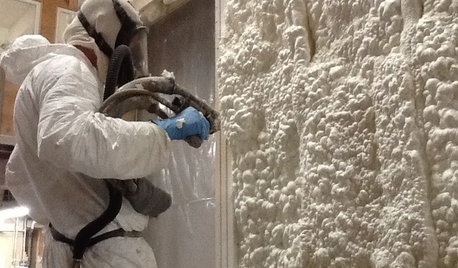
MATERIALSInsulation Basics: What to Know About Spray Foam
Learn what exactly spray foam is, the pros and cons of using it and why you shouldn’t mess around with installation
Full Story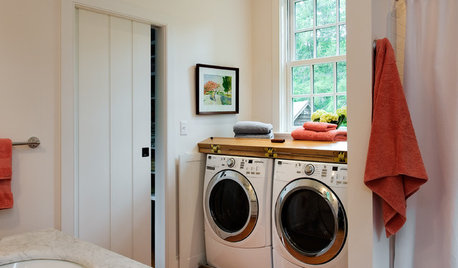
GREEN BUILDINGWater Sense for Big Savings
Keep dollars in your pocket and preserve a precious resource with these easy DIY strategies
Full Story
Sponsored
User
Tom VarshalOriginal Author
Related Professionals
DeRidder Landscape Architects & Landscape Designers · Middletown Landscape Architects & Landscape Designers · Lafayette Landscape Architects & Landscape Designers · Victorville Landscape Architects & Landscape Designers · Marietta Landscape Contractors · Portsmouth Landscape Contractors · Frisco Landscape Contractors · Riverside Landscape Contractors · Denver Landscape Contractors · Wilmington Home Builders · Hartford Home Builders · Newburyport Home Builders · Saginaw Home Builders · Sierra Vista Home Builders · Bozeman Home BuildersUser