

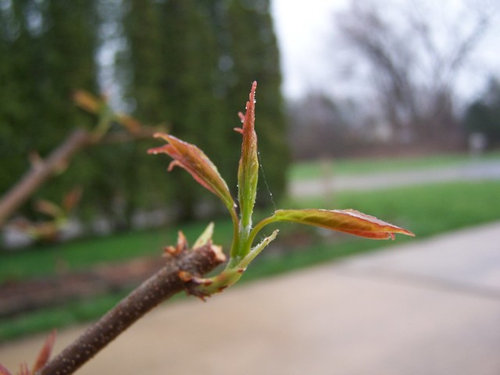
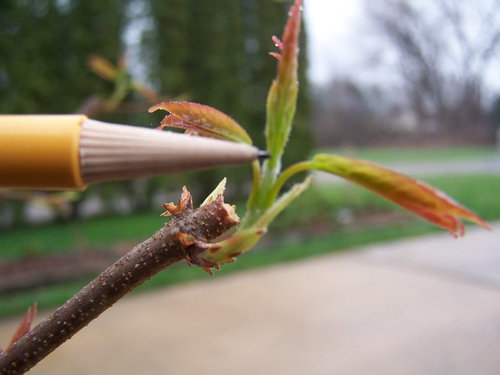
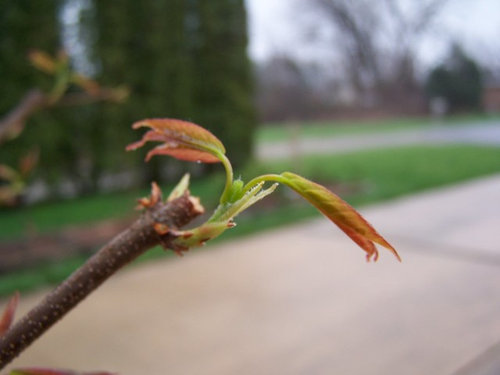
Pinching Maples in Containers
10 years ago
last modified: 10 years ago



Comment

Related Stories

WINDOW TREATMENTSGet Gorgeous Drapes with Classic Pinch Pleats
A detailed guide to this timeless and tailored window treatment
Full Story
GARDENING GUIDESSuperstar Annuals for Containers and Baskets
High performing, low maintenance and all-around gorgeous, these container plants go the distance while you sit back and relax
Full Story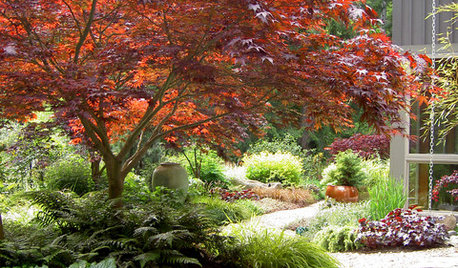
TREES11 Japanese Maples for Breathtaking Color and Form
With such a wide range to choose from, there’s a beautiful Japanese maple to suit almost any setting
Full Story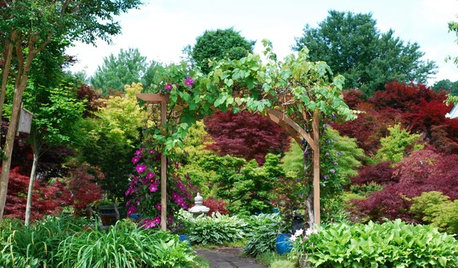
GARDENING GUIDES12 Japanese Maples for a Sunny Garden
The right maple in the right place shines in hot summer sun
Full Story
MATERIALSWoodipedia: Maple Is a Marvel Around the House
A heavy hardwood with lots of potential, maple appeals to modern sensibilities and won't break your budget
Full Story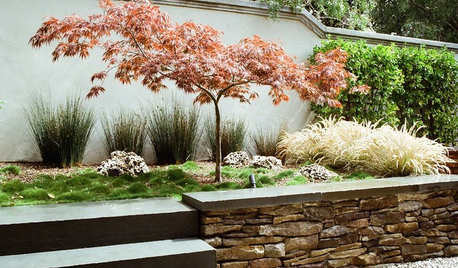
GARDENING AND LANDSCAPINGGreat Design Tree: Japanese Maple
Lacy form and fiery fall color make Japanese maple a welcome tree for garden or patio
Full Story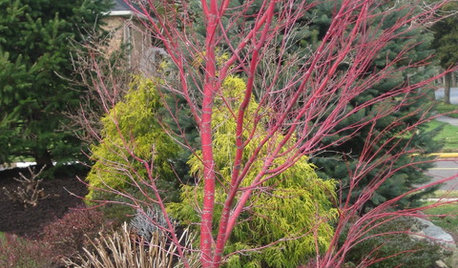
TREESGreat Design Plant: Coral Bark Japanese Maple, a Winter Standout
Go for garden gusto during the chilly season with the fiery red stems of this unusual Japanese maple
Full Story
LANDSCAPE DESIGNGreat Design Plant: Vine Maple
Exciting year-round color and adaptability make this highly ornamental native small tree a top choice for home gardens
Full Story
GARDENING GUIDES13 Japanese Maples for Shade
A surprising variety of these understory trees is waiting to make a statement in your shade garden
Full Story
CONTAINER GARDENSContainer Garden Basics: How and When to Water Potted Plants
Confused about soil moisture, the best time to water and what watering device to use? This guide can help
Full Story
Sponsored
Related Professionals
Louisville Landscape Architects & Landscape Designers · Aberdeen Landscape Architects & Landscape Designers · Cambridge Landscape Architects & Landscape Designers · Frederick Landscape Architects & Landscape Designers · San Diego Landscape Architects & Landscape Designers · Fort Smith Landscape Contractors · San Antonio Landscape Contractors · Plattsburgh Landscape Contractors · Fresno Landscape Contractors · York Landscape Contractors · Forrest City Architects & Building Designers · Effingham Architects & Building Designers · Branson Architects & Building Designers · Bemidji Architects & Building Designers · Concord Architects & Building Designers