Software
Houzz Logo Print
hostatakeover

Virus X?

10 years ago
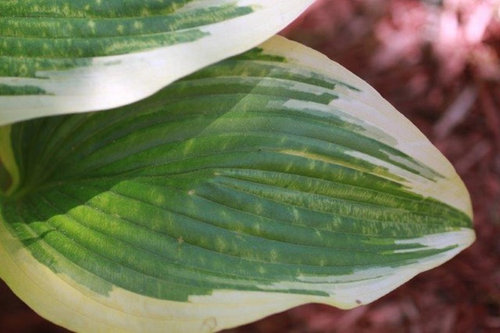
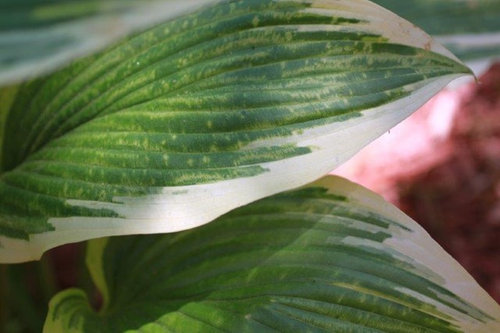
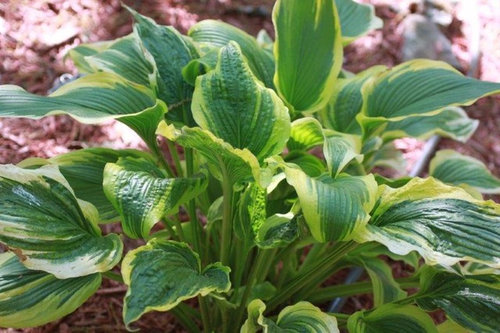
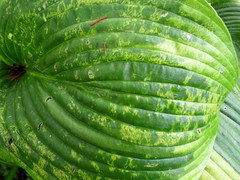
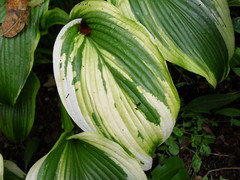
Two years ago I purchased a division of Montana Aureomarginata at the Library Auction. When it arrived I felt it was a bit small, so a week later when someone else put another division up on the Auction I bought that one, too. When the 2nd one arrived it was different. The leaves were crinkled and kind of pebbled. Since MA is always the first to rise it's not uncommon for it to get some frost damage, which is what I thought this was. I planted the two divisions together.

The next year the 2nd division rose with the same crinkles and pebbled look. I was wondering if maybe it was some sort of sport and perhaps it would revert back, so I left it. This year both versions of the MA rose and some portions of the normal MA are now taking on the same characteristics of the odd one, plus some leaves have those suspicious zigzag markings associated with Hosta Virus X.

I strongly suspect that's what this is. Can anyone confirm or ease my concerns?


Comments (14)

  • 10 years ago

    you should be able to tell the oldest.. from the newest leaves ...


    and if its only the oldest ... that might lead toward cold damage ...


    but i am no expert on he various virus ... hope chris chimes in.. not sure ive seen him on this year ...


    ken

    hostatakeover swMO thanked ken_adrian Adrian MI cold Z5
  • 10 years ago

    Not virus X, Possibly;

    Pathogen: Botrytis cinerea

    Hosts: A very large host range, some of the most susceptible include Delphinium, Hosta, Iris, Lilium, Primula, Rudbeckia, and Viola. Blossoms are especially susceptible.

    Symptoms: Seedling blight,leaf spots and blight, distortion of young leaves, crown rot, and blossom blight.

    Signs: In high relative humidity grayish fuzzy mold on the surface of the affected tissue is visible with the naked eye.

    Spread: Spores are produced in mass under humid conditions and are readily released and moved by air currents. Additionally, overwintering structures (sclerotia) are formed and can persist in soil and plant debris. Sclerotia are found on the surface of heavily diseased plant material.

    Management: Sanitation and aeration procedures that reduce humidity levels around plants and appropriate fungicide applications are recommended for disease control. Botrytis cinerea can sporulate on dead plant material; fallen leaves and petals should be carefully removed from production areas. Trash cans used for dead plant tissue should not be kept in production areas. Regular fungicide applications will likely be necessary to reduce losses on especially susceptible hosts grown in humid environments.

    Link to Michigan State website

    I'm no expert, but it looks like it might be that or some other fungus. I would treat with a fungicide.

    Jon

    hostatakeover swMO thanked Jon 6a SE MA
  • 10 years ago

    It is the common hosta virus seen in the past - whether you ID it or not, I would pitch it.

    hostatakeover swMO thanked brucebanyaihsta
  • 10 years ago
    last modified: 10 years ago

    Thank you, all! You've been very helpful and I'm relieved to know it's not Virus X. I will definitely dig it up and throw it, then clean all tools used for the project with 10% bleach (at least).

    Thank you all so much for your advice!

    Bkay, I'm so sorry you've gone through all that. I hope you were able to save most of your plants. I can't imagine the work you've been through to save your Hostas. Very stressful.

  • 10 years ago


    In May 2013 I noticed one wonky leaf on one of my three mA's. upon advice of forum members I destroyed the hosta. In September 2013 I noticed ONE wonky leaf on each of the other two mA's. I left them alone and haven't seen any wonky leafs since. Whether these mA's have HVX or one of the 12 or so viruses known to affect hostas or some aberration I haven't a clue.

    I'll try and post photos of leaf close up but for some reason my forum name "squirejohn" is now jocl17 that was entered but never used on GardenWeb.

    Well I can't post photo - the leaf above is of the destroyed mA.

    hostatakeover swMO thanked jocl17
  • 10 years ago

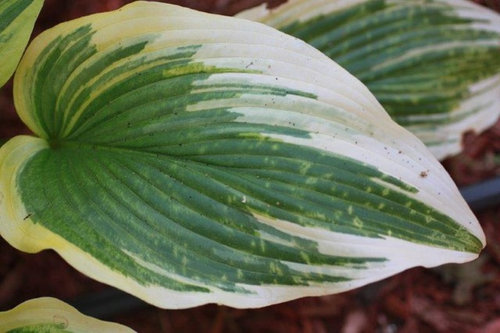
    Here's a close up of the destroyed mA wonky leaf. For some reason I can post a photo first and then text but not vice versa.

    hostatakeover swMO thanked jocl17
  • 10 years ago
    last modified: 10 years ago

    Here's a photo of wonky leaf on one of the remaining mA's - Sept 2013

    hostatakeover swMO thanked jocl17
  • 10 years ago

    Thank you, Jocl17.

    Given that the wonky leaf characteristics have definitely spread to the healthy mA, I've pitched the whole lot. This went way beyond one or two leaves. Even if it were a rare Hosta I probably would pitch it, but fortunately it's not. I'll just get another one next year. I like the spot it was in so I'll let that spot rest for this year and replant next.

  • 10 years ago

    Go poke around in your profile here at Houzz. As I recall chose advanced something or other and you can re-enter your screen name. I remember you as squirejohn. You have one name to get into your houzz account, and another "screen name" that shows when you post. Hope you can set things straight there. Oh, and you have to set your cursor and click to put where you want your photo or it will overwrite and cover up your verbiage. Practice will make you perfect at this.

    -Babka

  • 10 years ago

    Ah, hello, Squirejohn! : )

  • 10 years ago

    Thanks Babka - I tried to edit my screen name back to squirejohn but got a message stating the name was already taken. That's okay i'll just use new screen name.

    Insofar as posting photos I thought I had done that ( I'll try again on the Test forum) The last photo came out okay but needed to go through 3 or 4 steps before the photo came after the text.

    john c

  • 10 years ago

    Hi John, Same thing happened to me just as I thought I was getting the hang of it. DUH! I don't like to write so I've just been lurking. Wendy

  • 10 years ago
    last modified: 10 years ago

    You could make it easy on us and sign your posts "Squire John C".