

Enhancing lead phytoextraction
10 years ago
Featured Answer
Sort by:Oldest
Comments (7)
 10 years ago
- 10 years ago
Related Professionals
Montgomery Landscape Architects & Landscape Designers · Stockton Landscape Architects & Landscape Designers · Topeka Landscape Contractors · Wichita Falls Landscape Contractors · Kankakee Landscape Contractors · Gloucester Landscape Contractors · Kalamazoo Landscape Contractors · Lansing Landscape Contractors · Salt Lake City Landscape Contractors · Tacoma Landscape Contractors · Cornwall Landscape Contractors · Pine Bluff Stone, Pavers & Concrete · New Orleans Stone, Pavers & Concrete · Allentown Stone, Pavers & Concrete · Newport Stone, Pavers & Concrete 10 years ago
- 10 years ago
- 10 years ago
- 10 years ago
Related Stories

REMODELING GUIDESHow to Protect (Even Enhance!) Your Relationship While Renovating
No home improvement project is worth a broken heart. Keep your togetherness during a remodel with this wise advice
Full Story
REMODELING GUIDES8 Architectural Tricks to Enhance an Open-Plan Space
Make the most of your open-plan living area with the use of light, layout and zones
Full Story
INSIDE HOUZZFor Houzz Pros: Learn About the New Affiliation Badge Program
Enhance your professional profile with badges showing your schools, associations and more
Full Story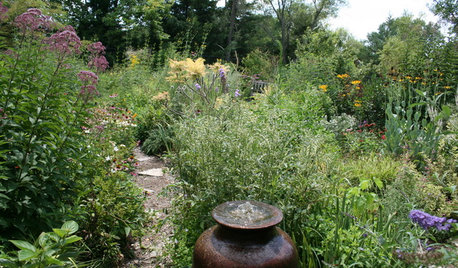
GARDENING GUIDESHow I Learned to Be an Imperfect Gardener
Letting go can lead to a deeper level of gardening and a richer relationship with the landscape. Here's how one nature lover did it
Full Story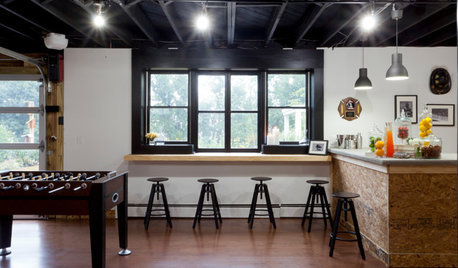
BASEMENTSBasement of the Week: Newly Finished and Open to the Outdoors
Relaxing, working, playing ... a New Jersey family can pick their pastime in this industrial-style walk-out leading to a new patio
Full Story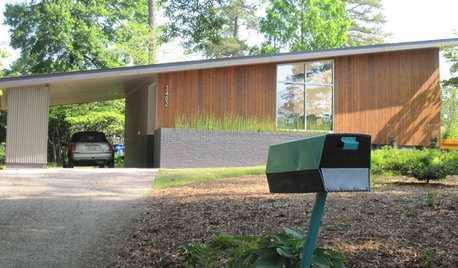
MIDCENTURY STYLEFollow One Man’s Midcentury-Mailbox Dream
An ill-fitting mailbox leads a determined dad on a quest — and possibly to a new business
Full Story
DECORATING GUIDESHow to Channel Your Inner New Bohemian
Creative and artsy, unique and layered, these looks lead to an inspiring lifestyle at home
Full Story
MODERN ARCHITECTUREHouzz Tour: Creative Thinking Yields a Lakefront 'Living Room'
Careful planning leads to a new structure and location for a stellar view
Full Story
SMALL SPACES10 Tips for Chic Little Bathrooms
Get more visual appeal and storage in less space, following the lead of these stylish compact bathrooms
Full Story
GARDENING AND LANDSCAPINGBreeze Into Coastal Landscapes
Follow the ocean's lead for a dynamic coastal garden with plants and grasses as beautiful as the view
Full Story
theparsley