

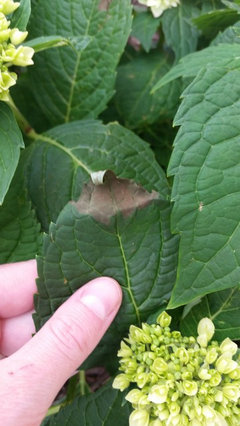
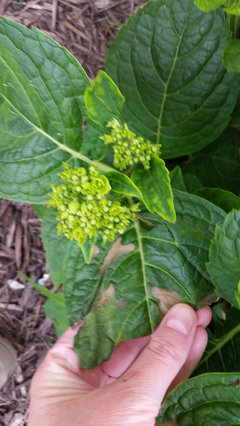
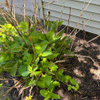
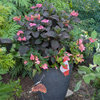
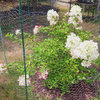
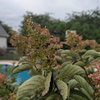
Need help with wilting hydrangea
10 years ago
Featured Answer
Sort by:Oldest
Comments (9)
- 10 years ago
 10 years ago
Related Professionals
Zanesville Landscape Architects & Landscape Designers · Wausau Landscape Architects & Landscape Designers · Saint Joseph Landscape Contractors · Lafayette Landscape Contractors · Lansing Landscape Contractors · Utica Landscape Contractors · Ottawa Landscape Contractors · Topeka Design-Build Firms · Fayetteville Design-Build Firms · Athens Design-Build Firms · Oklahoma City Design-Build Firms · Cookeville Design-Build Firms · Orange County Design-Build Firms · Liberal Design-Build Firms · San Angelo Design-Build Firms- 10 years ago
- 10 years ago
- 10 years ago
- 10 years ago
- 10 years ago
 10 years agolast modified: 10 years ago

Related Stories

PETS6 Ways to Help Your Dog and Landscape Play Nicely Together
Keep your prized plantings intact and your dog happy too, with this wisdom from an expert gardener and dog guardian
Full Story
GARDENING GUIDESCalifornia Gardener's June Checklist
Update your hydrangeas, catch up on tomatoes and more ways to enjoy your California garden in June
Full Story
LANDSCAPE DESIGNRelish the Romance of a Slovenian Garden
Dappled with coneflowers and bursting with hydrangeas, a romantic European garden near the Julian Alps inspires enchantment
Full Story
GARDENING GUIDESYour November Garden Checklist
What to do around the U.S. this month to help your garden thrive — when you're not admiring fall's brilliant colors, that is
Full Story
GARDENING GUIDESMake Sure You Read This Before Buying New Plants
Follow these 10 plant-selection tips to avoid buyer’s remorse
Full Story
GARDENING GUIDESHow to Spot a Drought-Tolerant Plant
Label? Who needs a label? Learn the characteristics of plants that can thrive in hot, dry conditions to help you pick the right ones
Full Story
FUN HOUZZ16 Creative Paint Color Names We Haven't Seen — Yet
Someday, the namers of new paint colors will finally run out of ideas. We're here to help
Full Story
CONTAINER GARDENSContainer Garden Basics: How and When to Water Potted Plants
Confused about soil moisture, the best time to water and what watering device to use? This guide can help
Full Story
GARDENING GUIDESKeep Your Cool in the Garden — Here’s What to Do in August
Don’t let summer’s heat go to your head. These U.S. gardening guides will help you make sensible choices for all of your plantings
Full Story
GARDENING GUIDESBe Your Own Best Florist With a Bouquet Garden
Shop your backyard for gorgeous floral arrangements — these ideas will help you bring the garden to the table beautifully
Full Story
October_Gardens