Software
Houzz Logo Print
zacharys

Pollinators!

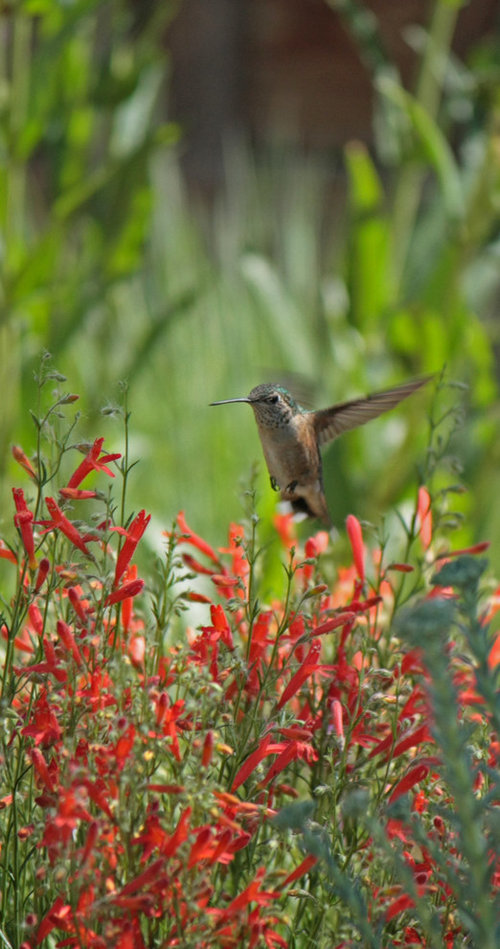
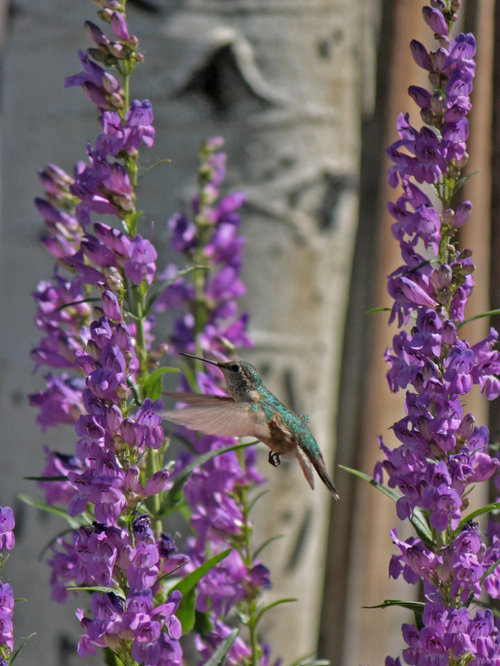
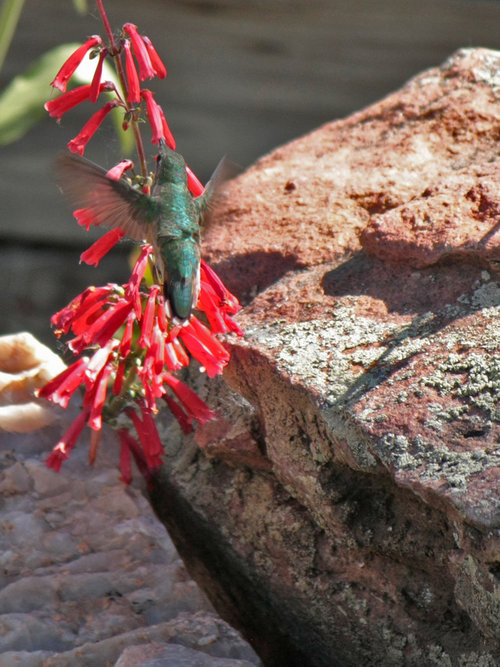
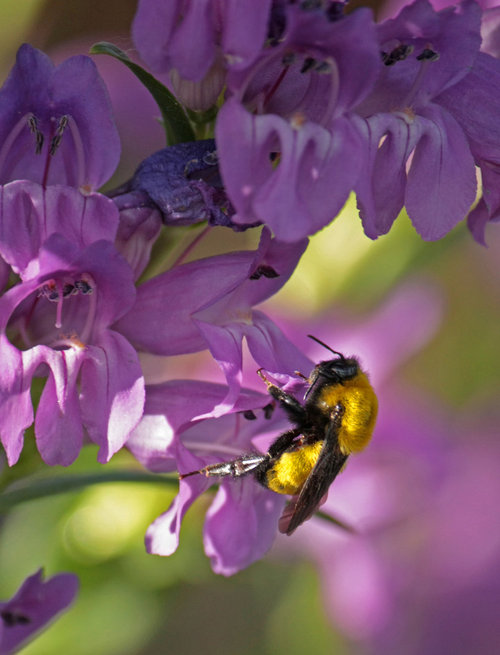
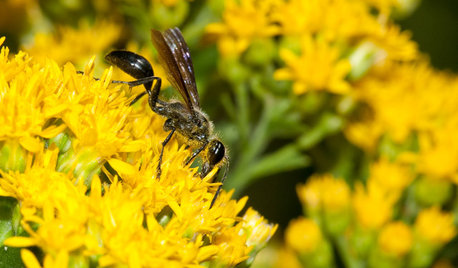
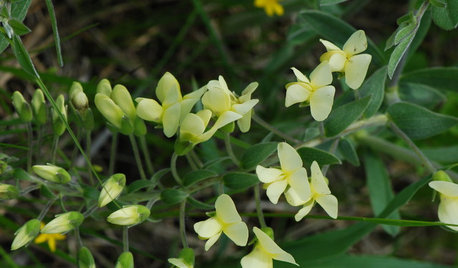
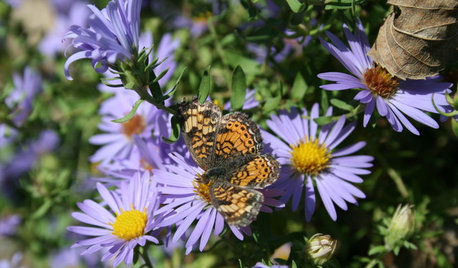
I was having fun this morning getting pictures of these industrious little guys. One of the advantages of rising early!

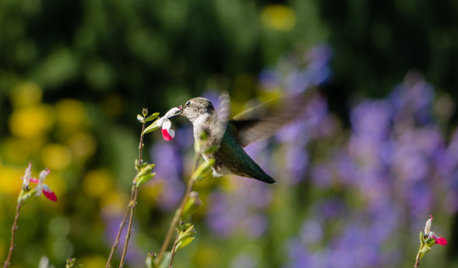
We seem to only ever have one hummingbird. I wonder if this is the same lady we got last year. Shes pretty tickled with the penstemons.


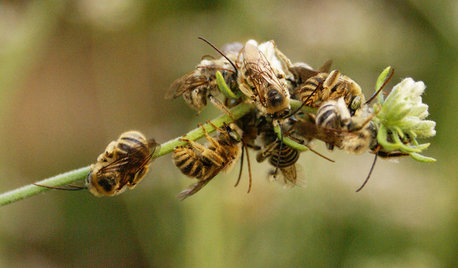
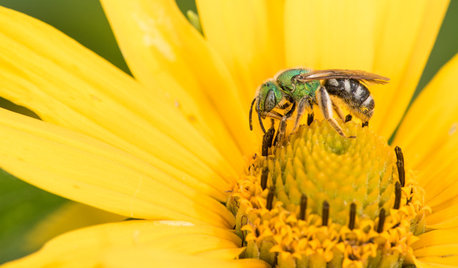
I counted over ten species of bee this morning, at least three different bumbles, halictid (sweat) bees, leafcutter bees, and more!

I may not know what it is, but these guys sure like it. There was nearly a dozen bumbles buzzing around this mystery penstemon this morning!


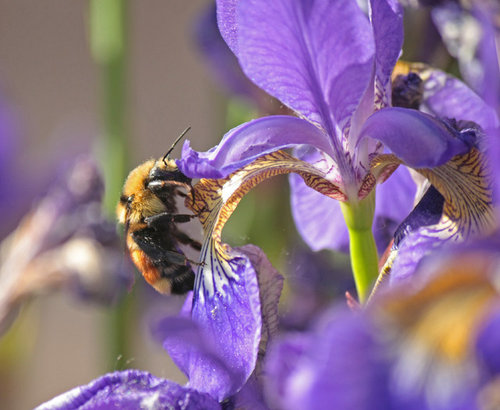
I have never, ever seen a bee on my siberian iris before, I always assumed it was a sterile hybrid. Today though they were loving it.


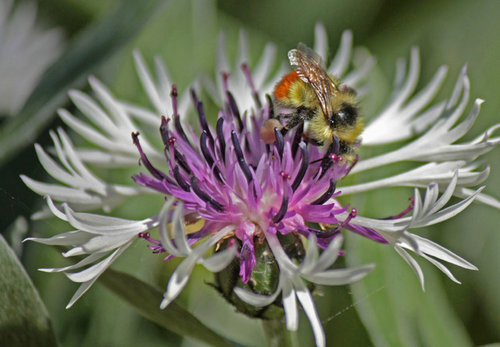
A call these Centaurea "fancy thistles" because well, they pretty much are. And like thistles, bumble bees love them (actually they like most things in the Asteraceae/Compositae family.)

Comments (12)

  • 10 years ago

    Amazing photos, Zach!

  • 10 years ago

    Thanks Mathew!

  • 10 years ago

    I thought, it's a question or information about pollinators.


    Very pleased with your pictures, Zach! It must be super hard to get shots of a hummingbird like that. Congratulations.


    I'm a little bummed about the beekeeper near the big veggie garden moving his 4 or 5 hives away. I know the honey bees and bumblebees are important to my vegetables but I've seen few of them this year. The sudden changes in temperatures this year must be difficult for them. The good news is that the butterflies seem to be around in fair numbers, unlike 2015. Moths too, although I don't know about the positive garden roles of either ...


    Steve

  • 10 years ago

    Zach, as always, your pictures are amazing! I love the hummingbirds. I haven't seen nearly as many bumbles this year as I did last. But I'll keep my eyes and ears open!

  • 10 years ago

    Beautiful, Zach!

  • 10 years ago

    Steve, I've noticed a large reduction in bees visiting my yard this year. I don't know of any beekeepers near me, so I'm speculating that either a wild colony nearby was eliminated or moved, or perhaps they had a rough winter which reduced their numbers, or maybe their scouts just haven't been by my place yet to tell everyone else how great it is this year. lol

    I'm thinking / hoping that when the borages, marjorams, basils and squash start to bloom, the bee activity will pick up.

  • 10 years ago
    last modified: 10 years ago

    Wonderful pictures, Zach! Thank you for sharing them with us.

    I wish I had the $$ so I could set up a couple of bee hives but I am thinking about putting up some mason bee houses to encourage that busy pollinator to stick around my yard.

    Holly

  • 10 years ago

    Some years they are quicker than others. Last year I didn't see a single bee until mid June when the lavender started blooming.

    If you really want to bring them in, large masses of blue/purple flowers really brings them in. They like yellow too, but a little less. I think I read somewhere that bees can't see red as well so they aren't as attracted to red flowers.

    I have only seen a couple honey bee so far. They aren't as attracted to the penstemons as the bumbles, leafcutter, "sweat" and orchard bees... Native plants for native pollinators... I gave an interpretive program on that once. Some of the bumbles may be carpenter bees... it pains me that people regularly exterminate them, my neighbor being one. I told her to step telling me this stuff (she also kills the garder snakes, to which my response was that I hope she likes mice and stormed off.)

    Be on the look out for squash bees if you grow summer or winter squash. Honey bees are actually terrible pollinators for cucurbits because they wake up too late and the pollen is too heavy. Squash bees (Peponapis pruniosa are the ones we get here in Colorado) however are native bees specifically designed for this task. All the Cucurbita species are new world plants after all.

    I built an orchard bee house a couple years ago. It finally got used last summer, w whether by orchard or something else like a leafcutter bee. Then the woodpeckers discovered it and they pecked through it and ate the babies. Ma nature isn't sentimental but apparently bees are quick learners. So far, none have haev made a repeat appearance at that nest site.

    Anyways Im getting off on a tangent... thank you all for the compliments! I mostly just enjoy sharing them with you! Most of my pictures never even make it off the SD card just the select few that I get lucky with HAHA.

  • 10 years ago

    Happy woodpecker and unhappy bees - :-( Your comment made me wonder if bees do indeed have long-term memory, Zach, so that they are indeed aware that the woodpecker got their babies a year or several years before. Some sor of "race memory," perhaps. I know that honey bees can "dance" tales to each other, so to speak, but never considered that they could still pass on info from previous years to their offspring. I bet there is a government study somewhere..... :-D

    Holly

  • 10 years ago

    Hi Zach,

    I haven't been around here much since every time I get the NASTY POPUP I simply x out of houzz/RMG, so I'm kind of limited in "viewing time" to those few times when The Nasty doesn't seem to be activated!

    But, as always, and as everyone else has said, I LOVE your pics! Seems to me I remember you have a good camera which certainly helps with the "stop motion" and the extreme closeups, but however you get them, they're wonderful! Keep 'em coming!

    Skybird


  • 10 years ago

    I am not sure if the orchard bees, or many of the solitary bees, overwinter as adults and lay a new brood the following year. Also, I don't know if the mommas ever go back to check on her babies after the eggs are laid so I don't know if they would ever know if they got eaten or not. The only thing I am fairly certain of is that there is some site fidelity from generation to generation, somewhat like sea turtles or salmon, though, I don't think as much. Since there was no brood hatched out of my little bee house this spring, they can't "return" to use it again! Though, there is a chance some other cavity nesting bee, or a new female will discover the house, though, this year I would bring it into the shed or something so that the birds didn't get them. Wherever did "Bug Doctor" disappear to, he might have known the answers to these questions!

    In an interesting aside I was reading and old High Country News article (we keep them on our lunch table at work, it's a pretty good magazine, I was considering getting a subscription) the other day that says honeybees may be one contributing factor of the decline of native bees in N. America, particularly bumble bees. Simply, the introduced honey bee is able to out compete their native counterparts for resources. Kind of an alarming thing if you think about it, particularly with the "save the honey bee" fad going around, which has always irked me that no one pays any attention to the native pollinators, which are often much better at pollinating crops than honey bees (squash bees being one example, but I have also read that an orchard bee is over 10 times as efficient at pollinating fruit trees than a honey bee). Anyways, here's the article: https://www.hcn.org/issues/47.14/beekeepers-vs-invasive-species-rules-on-federal-lands.

    Thanks Skybird! Yes, I do have a pretty nice camera (well, it's the 2008 model, so not "top of the line" anymore, lol). I have a few of pictures from work I will probably post, so be on the look out!