Software
Houzz Logo Print
hzdeleted_12144626

Help my hydrangea

10 years ago
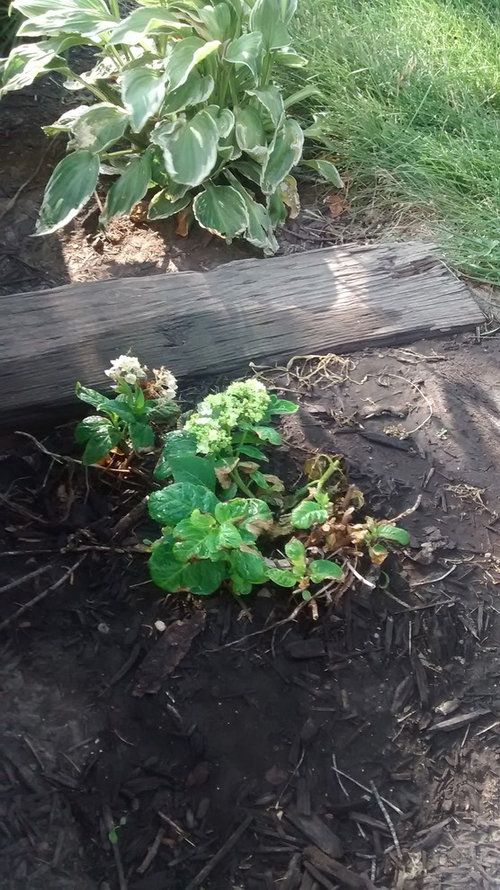
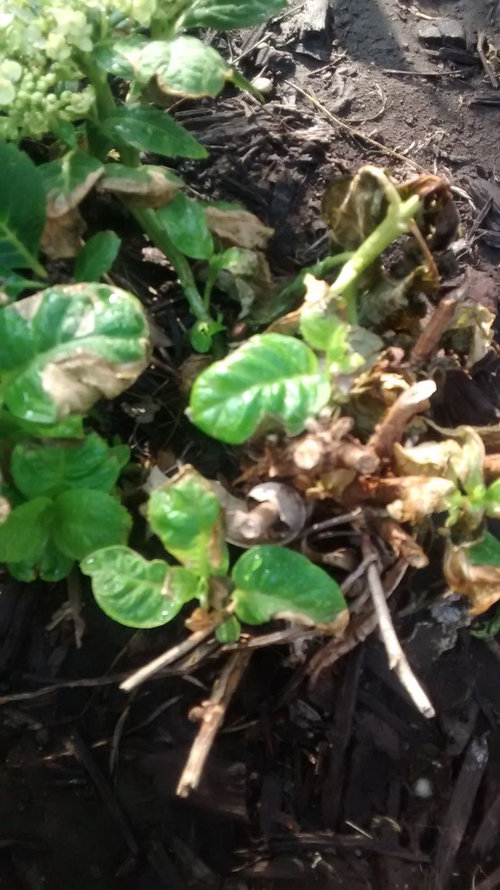
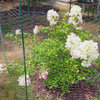
Is this the wrong spot for a hydrangea? It's not doing good at all. It gets an hr or 2 of afternoon sun. Zone 5a SW IA. I see other hydrangeas in our area growing beautifully, but i have not tested our soil. It just doesnt grow much and some of the stems are dying off on the ends. I cant remember what kind of hydrangea it is. I bought it last year as a beautiful plant with big nice blue blooms.

Comments (7)

  • PRO
    10 years ago

    Move it. Try somewhere that gets 6 hrs of sun. The morning sun is better than afternoon sun. Amend the soil with compost if you can. Use a transplant fertilizer when you move it. It is always good to have your soil tested by your extension service. Then you will know what soil conditions you are dealing with. Good Luck.

  • 10 years ago
    last modified: 10 years ago

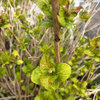
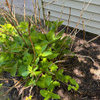
    Well, maybe not. The leaves on Pic 1 and 2 show the edges browning inwards which suggests soil moisture problems. Pic 1 also shows nice hosta leaves not affected by the sun. Pic 2 shows dry soil.

    While morning sun is better and hydrangeas are understory shrubs, your sun is weaker than it is down here in Tx so I would expect such little sun exposure not to be much of a problem since the hosta is happy and some Nikko Bllues my MIL had in NH got only afternoon sun and did well at her retirement community..

    Looking at the pictures, I sort-of-kind-of think that THE problem is a mixture of problems: uneven watering + total lack of mulch + a plant that is dealing with transplant shock and has not yet been established in the garden.

    You should aim for soil that is evenly moist as often as possible. To help with that, I would add 3-4" of organic mulch up to the drip line. Then I would use the finger method to test when to water: early in the mornings for 2-3 weeks, insert a finger into the soil to a depth of 4" and water only if the soil feels dry or almost dry: give the soil (if you can help it, do not water the leaves in order to prevent fungal infections) about 1/2 to 1 gallon of water per watering in Spring and 1 to 1.5 gallons in the summer. Each time you water, make a note in a wall calendar and after 2-3 weeks, review your calendar notes and calculate about how often you were watering: every 2/3/4/? days. Then set your sprinkler to provide -for example- 1 gallon of water every 2/3/4/etc days.

    Without the mulch to conserve soil moisture and protect roots, the plant looses this water easily and goes thru periods of dry soil, wet soil, dry soil again and so forth. The plant starts to brown out the flowers and if the uneven watering continues, it begins to also brown out leaves.

    So try to get those things under control as they will be a problem even if you transplant the shrub elsewhere. Give the plant 2-3 years to become established.

    As I said before, the plant's dry episodes may make it abort the blooms. You can keep them or deadhead them if they turn an ugly shade of brown that you do not like. The bloom colors are a function of how much aluminum there is in your soil plus how acidic the soil is (the more acidic, the easier it is to absorb aluminum thru the roots). Any reputable local plant nursery should be able to tell you whether your soil is alkaline, neutral or acidic (or they should be able to guess or sell you a soil pH kit). If the soil is acidic then future blooms will be a shade of blue. If the soil is alkaline, they will be a shade of pink. To keep them blue when your soil is alkaline, consider amending the soil with aluminum sulfate around the base of the hydrangea, moving from the "crown" outwards. And do this forever as the soil will revert back to alkaline if you stop amending. The label in the a/s product should provide specific instructions and include how often to repeat applications.

    Here is even more info: http://hydrangeashydrangeas.com/

    Luis

  • 10 years ago

    Here is a totally different approach to saving your Hydrangea. 1. Dig it up. yes, dig it up and shake all the soil off the roots. 2. Inspect the roots to see if there are bugs, slugs or other creatures. 3. Put plant into a bucket of water. It won't drown! People drown - not plants and certainly not hydrangeas. Put the bucket in the shade and leave for at least overnight. 4. Take the plant out of the water and plant into a container of moist - not dripping potting soil. Be sure not to plant any lower than it was in the ground - a bit higher is better than lower. 5. Put back in shade - leave it for a couple of days and it should recover just fine. Be sure container has drain holes and do not use any thing at the bottom of the container except more soil. No pot shards, pebbles or other stuff- just dirt from the top to the bottom. 6. I would not fertilize - fertilizing a stressed plant is never a good idea. Don't try to mess with the color - let it be what it is. I just pulled out a hydrangea that was dunked for more than one week and it looks great!

  • 10 years ago

    If you do what ophoenix suggested, you will need to store for the winter in a spot that is warmer than outdoors, but still cool. S/he is in a much warmer area than you are, and an unprotected pot of hydrangeas will freeze/thaw and die since it's borderline in your area anyway.

    I would do as Luis suggested since the hosta is fine there. Your plant is showing moisture stress. Stick your finger into the root ball, which sometimes dries out and won't rewet due to the physical properties of peat. If it's dry, add just a tiny bit (one or two drops, no more) of soap to a couple gallons of water and slowly drip the water onto the plant. (A milk jug with a couple of pin holes is great for this.) Once the soil and the rootball is wet, mulch well up to a couple of inches from the stem and then a couple times a week if you haven't had at least half an inch of rain and if your finger stuck in deeply finds soil isn't damp, do a slow deep watering, using the gallon jugs or the hose set to barely drip.

    Before adding fertilizer, get a soil test done. I use compost and mulch for top dressing and find that unless a plant is in a pot, I don't use any fertilizer. Unneeded fertilizer may do more harm than good, either to the plant (especially a stressed one) such as excess nitrogen, or to the nearest waterway because excess fertilizer will wash into either surface water or groundwater, so it's worth sending a soil sample off to the nearest extension testing service before throwing fertilizer at it willy nilly.

  • 10 years ago

    Babs - you are correct about winter storage. The suggestion was to revive the plant for summer! Thanks for the comments on fertilizer - organic or not - too much is harmful to the plant as well as the environment.

  • 10 years ago

    Hey thank you all for the wealth of info here! I think I may try what ophoenix said to do, only maybe replant in the ground after some time. And yes, mulch... It had some last year, but it all blew away or disintegrated.