

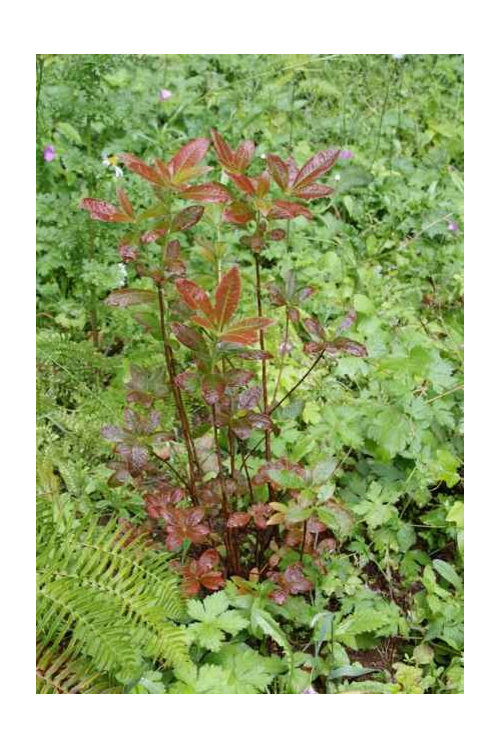
Exbury Azalea leaves turned dark red
10 years ago
Featured Answer
Sort by:Oldest
Comments (8)
 10 years ago
Related Professionals
Rolla Landscape Architects & Landscape Designers · Muncie Landscape Architects & Landscape Designers · Harrisburg Landscape Architects & Landscape Designers · Kalispell Landscape Architects & Landscape Designers · Bend Landscape Architects & Landscape Designers · Rolla Landscape Contractors · Dubuque Landscape Contractors · Sioux Falls Landscape Contractors · Charlottesville Home Additions · Torrington Home Additions · Madison Home Additions · Wausau Home Additions · Show Low Home Additions · Portland Home Additions · Rapid City Home Additions- 10 years ago
- 10 years ago
- 10 years ago
- 10 years ago
 4 years ago
Related Stories

DECORATING GUIDES9 Easy Ways to Decorate With Autumn Leaves
Give your home a burst of color that can be used Halloween through Thanksgiving
Full Story
EXTERIOR COLORExterior Color of the Week: Rich, Fall-Friendly Reds
Look to the crimsons and burgundies of turning autumn leaves for a deep, captivating home color
Full Story
GARDENING GUIDESWhat's Wrong With My Plant? Leaves Often Hold the Clues
Learn how to identify common plant ailments by reading their leaves
Full Story
REMODELING GUIDESHouzz Tour: Turning a ’50s Ranch Into a Craftsman Bungalow
With a new second story and remodeled rooms, this Maryland home has plenty of space for family and friends
Full Story
LAUNDRY ROOMSRoom of the Day: The Laundry Room No One Wants to Leave
The Hardworking Home: Ocean views, vaulted ceilings and extensive counter and storage space make this hub a joy to work in
Full Story
LIFEYou Said It: ‘I’m Never Leaving’ and More Houzz Quotables
Design advice, inspiration and observations that struck a chord this week
Full Story
COLORCase Study: Turn Your Wall Colors Into Art
Give your walls an artistic edge with creative color blocking that complements your architecture
Full Story
HOUZZ TOURSMy Houzz: Turning a Netherlands Barn Into a Country Home
Once a place for chilling milk, this Dutch home now lets the owners chill out in easygoing comfort
Full Story
HOME TECHTurn Your Smart Phone Into a Home Security System
Monitor your home a less expensive way by putting your phone and some new gadgets to work
Full Story
LIGHTINGGet Turned On to a Lighting Plan
Coordinate your layers of lighting to help each one of your rooms look its best and work well for you
Full Story
Sponsored
More Discussions

akamainegrower