

Use of Copper - question.
10 years ago
Featured Answer
Sort by:Oldest
Comments (9)
 10 years agolast modified: 10 years ago
 10 years ago
Related Professionals
Bartlesville Landscape Architects & Landscape Designers · Augusta Landscape Architects & Landscape Designers · Washington Landscape Contractors · Winston-Salem Landscape Contractors · Philadelphia Landscape Contractors · Murfreesboro Landscape Contractors · Petersburg Landscape Contractors · Middletown Landscape Contractors · Utica Landscape Contractors · Madison Landscape Contractors · Fayetteville General Contractors · Sedalia General Contractors · Fort Dodge General Contractors · Muncie General Contractors · Hobbs General Contractors 10 years ago
- 10 years ago
- 10 years ago
- 10 years ago
- 10 years agolast modified: 10 years ago
Related Stories

FEEL-GOOD HOMEThe Question That Can Make You Love Your Home More
Change your relationship with your house for the better by focusing on the answer to something designers often ask
Full Story
DOORS5 Questions to Ask Before Installing a Barn Door
Find out whether that barn door you love is the right solution for your space
Full Story
GREEN BUILDINGConsidering Concrete Floors? 3 Green-Minded Questions to Ask
Learn what’s in your concrete and about sustainability to make a healthy choice for your home and the earth
Full Story
MOVINGHiring a Home Inspector? Ask These 10 Questions
How to make sure the pro who performs your home inspection is properly qualified and insured, so you can protect your big investment
Full Story
Design Dilemmas: 5 Questions for Houzzers!
Post Ideas for Landscaping for a Modern Home, Updating a Rental and More
Full Story
KITCHEN DESIGNKitchen Sinks: Antibacterial Copper Gives Kitchens a Gleam
If you want a classic sink material that rejects bacteria, babies your dishes and develops a patina, copper is for you
Full Story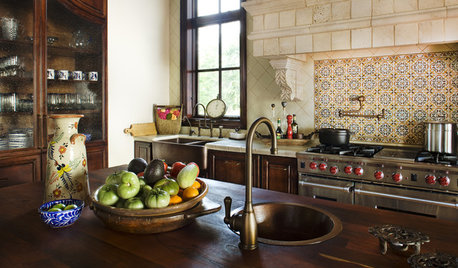
KITCHEN DESIGNTry a Copper Sink for a Warm Glow in the Kitchen
Bring polish and patina to your kitchen with a sink done in endlessly interesting copper
Full Story
HOUZZ TOURSMy Houzz: Copper Tones Warm an Amsterdam Apartment
Paint, editing and a crush on copper help an Amsterdam resident conquer his compact space
Full Story
COTTAGE STYLEHouzz Tour: Beach Shack Reborn as a Copper-Clad Cottage
A tranquil home with a copper exterior lets in ocean air, sunlight and greenery on a challenging site
Full Story


gorbelly