

36" x 24" wall mount range hood?
10 years ago
Sort by:Oldest
Comment (1)
Related Stories
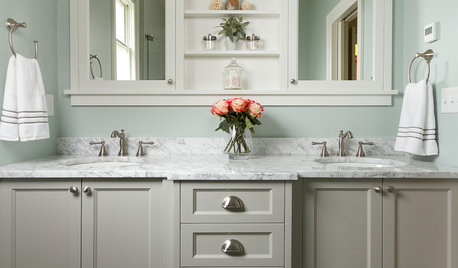
BATHROOM DESIGNShould You Get a Recessed or Wall-Mounted Medicine Cabinet?
Here’s what you need to know to pick the right bathroom medicine cabinet and get it installed
Full Story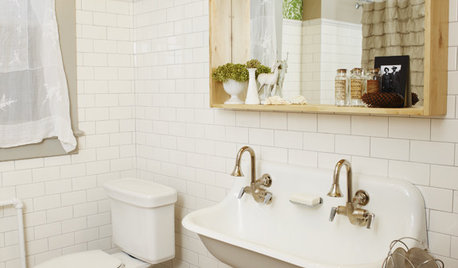
BATHROOM DESIGNSmall-Bathroom Secret: Free Up Space With a Wall-Mounted Sink
Make a tiny bath or powder room feel more spacious by swapping a clunky vanity for a pared-down basin off the floor
Full Story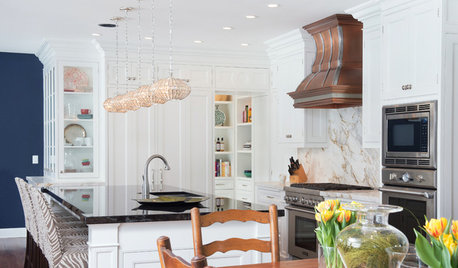
KITCHEN DESIGNWhat to Know When Choosing a Range Hood
Find out the types of kitchen range hoods available and the options for customized units
Full Story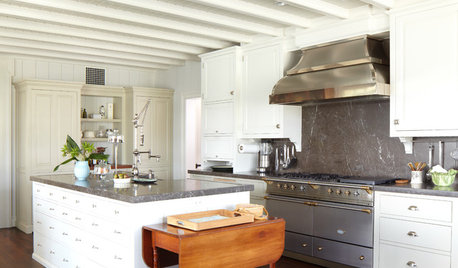
KITCHEN DESIGNHow to Find the Right Range for Your Kitchen
Range style is mostly a matter of personal taste. This full course of possibilities can help you find the right appliance to match yours
Full Story
KITCHEN DESIGNHow to Choose the Right Hood Fan for Your Kitchen
Keep your kitchen clean and your home's air fresh by understanding all the options for ventilating via a hood fan
Full Story
KITCHEN DESIGN24 Hot Ideas for Stashing Spices
Create a Mini Spice Pantry in a Wall, Drawer, Island or Gap Between Cabinets
Full Story
KITCHEN APPLIANCESThe Many Ways to Get Creative With Kitchen Hoods
Distinctive hood designs — in reclaimed barn wood, zinc, copper and more — are transforming the look of kitchens
Full Story
HOUSEKEEPINGHow to Clean Your Range and Oven
Experts serve up advice on caring for these kitchen appliances, which work extra hard during the holidays
Full Story
KITCHEN DESIGN24 Great White Kitchens
Find a white kitchen for every style, from Mid-Century Modern to Scandinavian, romantic, industrial and more
Full Story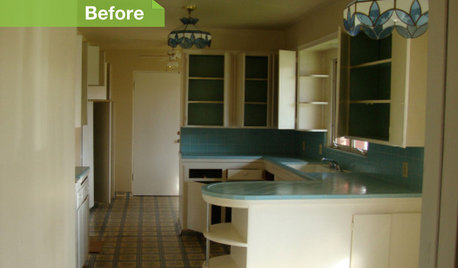
KITCHEN DESIGN24 Dramatic Kitchen Makeovers
From drab, dreary or just plain outdated to modernized marvels, these kitchens were transformed at the hands of resourceful Houzzers
Full StorySponsored

Central Ohio's Trusted Home Remodeler Specializing in Kitchens & Baths
kaseki
Related Professionals
Monroe Kitchen & Bathroom Designers · McComb Kitchen & Bathroom Designers · Murfreesboro Kitchen & Bathroom Designers · Newport Kitchen & Bathroom Designers · Santa Rosa Kitchen & Bathroom Designers · Jackson Kitchen & Bathroom Designers · Evansville Bathroom Remodelers · Rocky Mount Bathroom Remodelers · Laconia Bathroom Remodelers · Napa Bathroom Remodelers · Pocatello Bathroom Remodelers · Kissimmee Kitchen Remodelers · Mount Vernon Kitchen Remodelers · Hays Kitchen Remodelers · Peoria Kitchen Remodelers