Software
Houzz Logo Print
allikamikaze

Sandy Surprise

10 years ago
last modified: 10 years ago
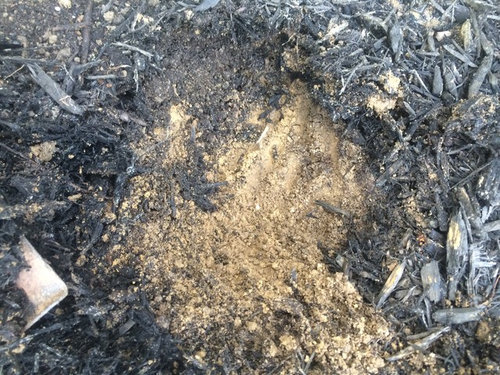
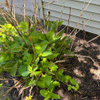
I moved my begonias in between my (macrophylla) hydrangeas and I was shocked to find that the bed is all sand.


I live in Ohio and people around here generally don't have sandy soil unless they add sand themselves. I'm not really sure how the sand ended up on the Northern side of the house...

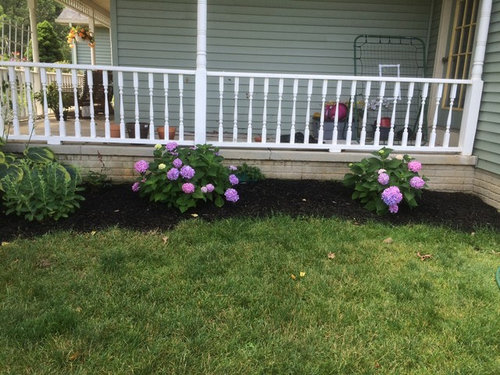
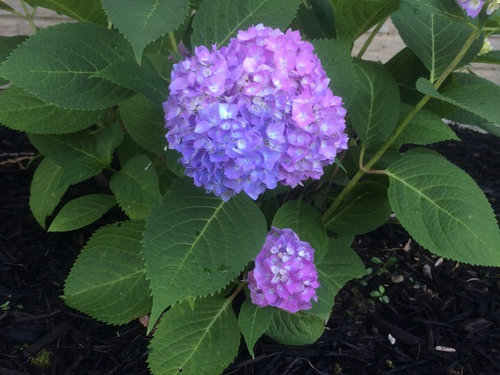
I only recently moved back and didn't plant these hydrangeas about 1-2 years ago. I think they are probably Endless Summer or a similar popular macrophylla variety like the others. Oddly enough, these hydrangeas are the ones doing the very best of all our hydrangeas under the same care.

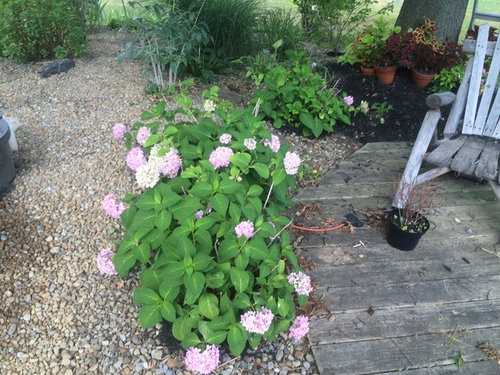
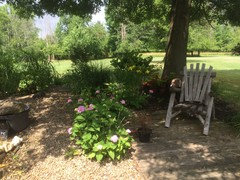
(From June 29th of this year)

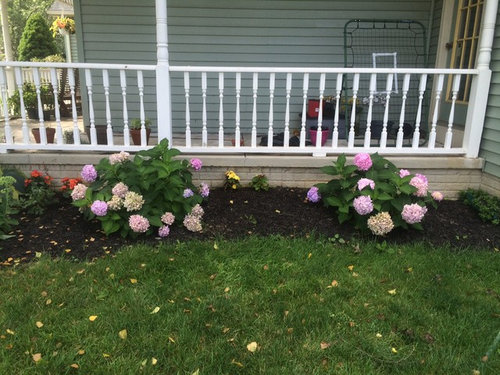
(From July 8th)

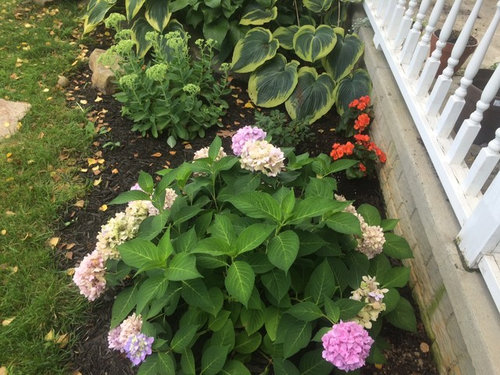
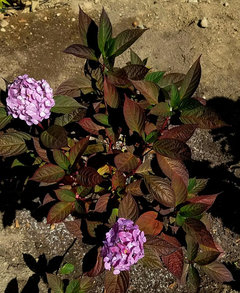
(From this morning, August 1st)

They've been in bloom and thriving for most of the summer (I'm actually debating whether I should remove some of the older blooms or not) and are bigger than the hydrangeas that were planted much longer ago.

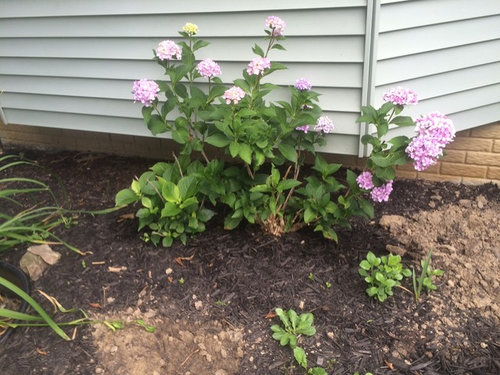
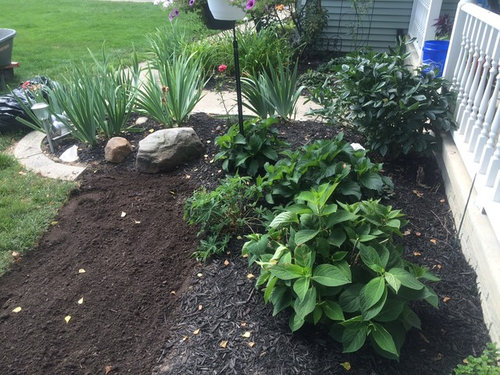
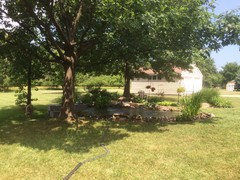
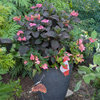
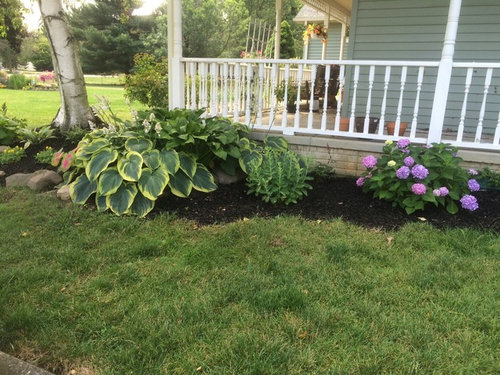
These are the other Hydrangeas:

(West facing bed near magnolia tree)

(West facing bed under oak tree)

(East Facing Bed)

I was curious what you guys thought about this. Should I dismiss this as a mere coincidence due to the North side being a better location? Or is there something good about the sand that I shouldn't mess with?

Comments (16)

  • 10 years ago
    last modified: 10 years ago
    The sand in the soil makes the water drain VERY WELL. That sand dries things quicker but since the leaves and blooms to be in great shape, the sandy soil content and the amt of water per watering appear to be sync'ed up pretty good.

    The organic compost (or the dark stuff that appears to be organic compost) seems to provide minerals usually lacking in sandy soil. Or maybe you are adding enough minerals via fertilizers.

    The rain + sprinkler or drip irrigation system seems to provide adequate amounts of water. Typically, sandy soil requires that you water 50% more than usual.

    I would not change a thing. Awesome.

  • 10 years ago

    That all makes sense and is very helpful.

    I've been trying to find the right watering balance with the sprinkler and at times it felt like I was bordering on too much water. Yet they seemed to like it or even seemed to need more water.

    I'm still learning about fertilizers but I fertilized once in July and added a little topsoil and mulch in June.

    At first I was thinking I should get rid of the sand but I think I'll keep it afterall. It's much more work to haul the sand out and replace it with something else. If my hydrangeas are fine with sand, I'm ok with sand too :)

  • 10 years ago

    Wouldn't hurt to work some topsoil into the sand. At least down to a foot or so.

  • 10 years ago
    last modified: 10 years ago
    I wouldn't change a thing since they are happy. You have well-draining soil that the plants are doing well in, so why mess with a good thing? Add mulch every year and over time the organic matter will increase as it gets worked into the soil. I imagine that there's good OH clay nearby that they can extend roots into if they want to.

  • 10 years ago

    Feel it is the less sun intense location in North that is helping you. With your sand content level adding compost or top soil should only help. I like 50% commercial compost added to 2' to make beds that will best support final plant size.

  • 10 years ago

    That's a possibility. Although, I think some of the other hydrangeas are in similar lighting. Between the house, the big oak, and the maple tree, the lighting should be pretty similar even for these hydrangeas on the west side of the house.


    You mean 2 inches of compost, not 2 feet right?

  • 10 years ago

    Lord, 2" is fine. Hope you do not ever need 2' of it. Hee hee hee.

  • 10 years ago

    No I mean a lot worked into the bed make a humus rich soil for the planting area. I go as deep as the plants may be able to put down roots. They will chase the water in the depths and make a better root mass. Top mulching helps, but only top mulching incourages surface root growth, which suffers quickly from drying out in summer.

  • 10 years ago

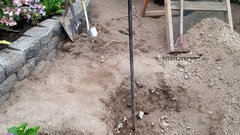
    I'm doing a hydrangea bed now in the hot part of summer and eveything thrives this way, short and long term. This is a 2' deep by ~4' diameter ground pit just dug for a Masja hydrangea. Think of it as an in ground, long term planter for a 4+' eventual size plant!! Our soil is so dry and rocky must dig with a 6' iron ice chisel! I screen out the rock and add back the subsoil like material mixed with 50% Cedar grove compost. Top dressing with 2" of compost or 4" bark would help add in a reserve moisture supply.

  • 10 years ago

    Using the "moisture pit" method, i can push more sun in sun tolerant hydrangeas and get more leaf color without wilting. Once the plant gets larger this recently planted 'Preziosa' will also gain amazing density of flowering.

    In our neighborhood no one else has any hydrangeas planted because they wilt and die. I'm planting in August at 80 with no troubles and everything look lush.

  • 10 years ago

    Hm ok. Well that's a similar method to what I did around the tree area. I'm kind of making it up and learning as I go along but I mixed in regular soil with compost and a commercial soil mix. Overall, it seems to work pretty well. The more technical stuff I read about soil the more confused I feel. I try not to get too caught up in it because my soil isn't THAT bad in the grand scheme of things.
    Hopefully I'll get similar results when I finally plant things there again.
    It's hard digging that far down into the dirt though (your soil sounds especially tough).

  • 10 years ago

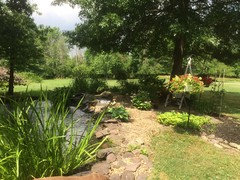
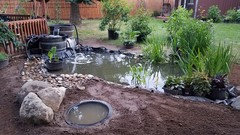
    Due to rocks and gravel, our yard is nearly impossible to dig more than about 6" deep with a shovel, digging fork, or pick axe! I use a heavy 5-6' True Temper iron digging rod/ice chisel to break it out, shovel to lift it out, and 5' x 2' size 1/2" mesh screen mounted in a home made A Frame to screen the soil. I dug a 15' x 8.5' x 3' deep fish pond with this rod. And brought in 20 cu yd commercial compost to transform the yard. Hard work and persistance pays off!

    Fish pond dug with iron digging rod. Rock is a little of the larger rock recovered from the dig.


  • 10 years ago

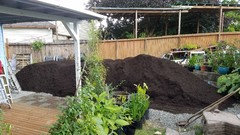
    20 cu yd compost (= 495 bags) delivered to transform the rocky dry soil in our yard.

  • 10 years ago

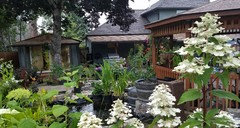
    Goal underway ... with Hydrangea paniculata and Annabelle behind the pond.

  • 10 years ago

    Gfleathan,

    Beautiful pond area!