

a dumb question..
10 years ago
last modified: 10 years ago
Featured Answer
Sort by:Oldest
Comments (8)
 10 years ago
 10 years ago
Related Professionals
Richmond Landscape Architects & Landscape Designers · Vineland Landscape Architects & Landscape Designers · Gary Landscape Architects & Landscape Designers · Cincinnati Landscape Contractors · Knoxville Landscape Contractors · Scranton Landscape Contractors · Platteville Landscape Contractors · Yuma Landscape Contractors · Stockton Landscape Contractors · Cheyenne Landscape Contractors · California Home Additions · Greensboro Home Additions · Muncie Home Additions · Oneonta Home Additions · Huron Home Additions 10 years ago
- 10 years ago
- 10 years ago
- 10 years ago
- 10 years ago
Related Stories

REMODELING GUIDESConsidering a Fixer-Upper? 15 Questions to Ask First
Learn about the hidden costs and treasures of older homes to avoid budget surprises and accidentally tossing valuable features
Full Story
FEEL-GOOD HOMEThe Question That Can Make You Love Your Home More
Change your relationship with your house for the better by focusing on the answer to something designers often ask
Full Story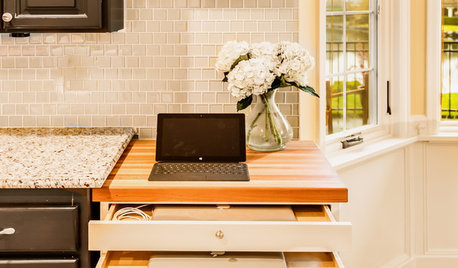
THE HARDWORKING HOMEA Hidden Charging Cabinet Corrals and Juices Family’s Electronics
The Hardworking Home: Laptops, phones and tablets now have a safe space in this kitchen, keeping the countertops uncluttered
Full Story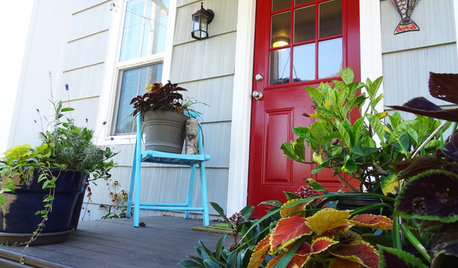
CURB APPEALDIY Painting Project: A Colorful Front Door
Give your entrance a notice-me new hue to make it inviting and energizing for fall
Full Story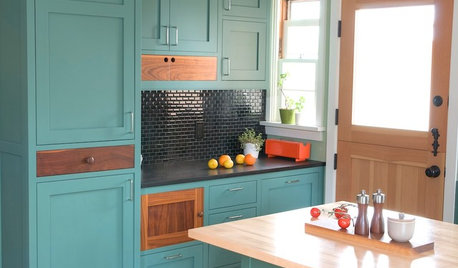
MOST POPULARFrom the Pros: How to Paint Kitchen Cabinets
Want a major new look for your kitchen or bathroom cabinets on a DIY budget? Don't pick up a paintbrush until you read this
Full Story
REMODELING GUIDES'Yakisugi-ita' Is Setting the Siding World on Fire
Exterior wood siding created by a Japanese burning technique is now alighting in the Western world
Full Story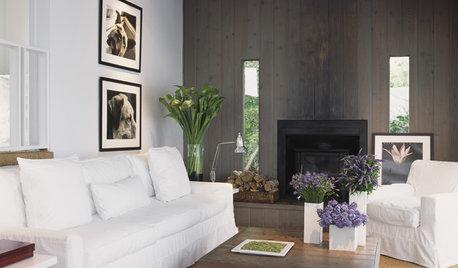
LIFESimple Pleasures: Spoil Yourself
Renew your spirit by indulging in treats, quiet time and letting someone else do your chores for once
Full Story
FUN HOUZZOver-the-Top Modern Dollhouses
Dollhouses Are All Grown Up! Play with Design in These Fab Miniatures
Full Story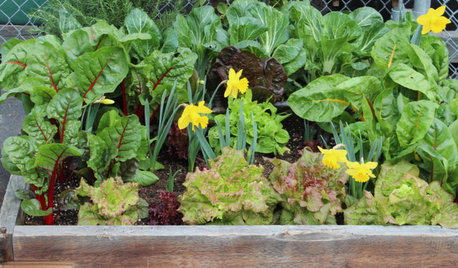
FARM YOUR YARDGrow a Kitchen Garden in 16 Square Feet
Got a sunny 4-by-4 space? You can make meals more interesting with your own vegetables and herbs
Full Story
ARTBring In a View Like You’ve Never Imagined
See how art photographers turn a plain white wall into a magical window with a centuries-old camera technique — and how you could try it too
Full Story

ken_adrian Adrian MI cold Z5