Software
Houzz Logo Print
dave_in_nova

Kimo

10 years ago
last modified: 10 years ago
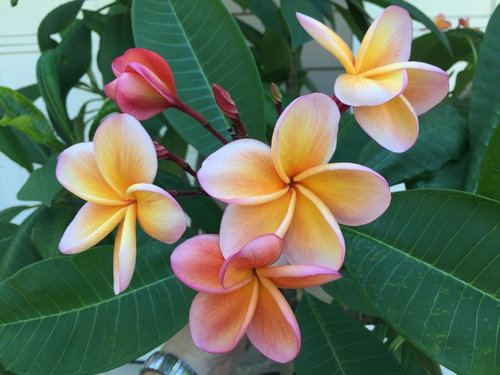
An oldie, but a goodie. Wide overlapping leaves. Fairly large flowers. Nice fragrance. A regular bloomer for me.

Comments (15)

  • PRO
    10 years ago

    You got that right. Nice work Dave.

  • 10 years ago

    Gorgeous Dave!!!

  • 10 years ago

    I agree, beautiful!

  • PRO
    10 years ago

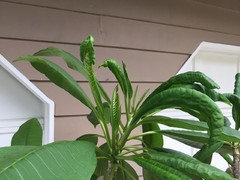
    Pretty sure this is my Kimo. It seems to get a leaf spot issue about this time each year. Does anyone else have this issue?

  • 10 years ago
    last modified: 10 years ago

    kms: Mine gets a number of maladies.

    For one, this disfiguring of new leaves seems to show up later in the season. Some leaves stay small and dry up. I thought at first maybe a result of overspray or fumes from herbicide, but now not so sure as nothing was sprayed this season at all. It doesn't seem to be affecting bloom. Any ideas?? I see no bugs at all. Have treated with mild systemic (Bayer - imacloprid). Keep well watered. Plant gets some afternoon shade.

  • PRO
    10 years ago

    Dave,

    That's a tough one. It looks like only recent growth is impacted and early season growth is not. Are there any sun/temp changes, microclimate issues, which could precede this condition?

    Probably not related but thought I would ask. I seem to recall reading imacloprid can supercharge thrip reproduction in certain conditions. Have you heard about that? I am sure you would have seen them if you you were looking for insects and there doesn't appear to be any discoloration from those nasty little buggers sucking the life out of the leaves.

  • 10 years ago
    last modified: 10 years ago

    kms:

    thanks for your thoughts. It's in an eastern exposure, gets full sun until about 1:00-ish. If one can see thrips with naked eye, I cannot see any. Nothing under the leaves.

    This became noticable in July and preceded the imacloprid application. But it happened last year as well around the same time. As I recall the plant got more shade last year in a different location.

    Some of the curly leaves don't develop, turn yellow and fall off.

    Wonder if possible herbicide overspray from last season (or before!) is having long-lasting effects which manifest more when plant is stressed by heat.

    Or some strange virus.

  • PRO
    10 years ago

    Two seasons, two locations with similar results at similar times of the year. I would blast it with the sunniest spot I had and cut the watering by half to see what happens with the next series of new leaves. If bottom most leaves yellow first then I would slightly bump up the watering.

    Thrips can be seen and felt. I had one plumeria which had a cloud of them over it. I couldn't even get close without those things "biting" on me. The leaves would have lots of little brown spots and not have any shine to them if it was an infestation.

    My recollection of the herbicides / fertilizers, etc. available for purchase in the Potomac watershed area are limited to fast breakdown formulas so it would be concerning if they still were hanging around. Perhaps plan a soil change this coming spring or on a very hot sunny series of days this summer doing a container leach to attempt to remove possible latent chemicals and salts.

  • 10 years ago

    kms: thanks again for your diagnostic attempts! maybe it is overwatering? Def. no thrips then. New leaves are bright glossy green - no spots. They emerge fine, then wrinkle and recurve (some of them).

    I will try to let it dry out a bit before watering again. It's been hot and some of my plumerias require watering even twice a day. But this one is in a large pot and does seem to stay wet longer. Repotting would be a good thing, but I have so very little time right now.

  • 10 years ago

    Watering twice a day seems like too much. I don't water that often and I'm in Phoenix.

  • PRO
    10 years ago

    It could be. I am just thinking if you change a variable and observe the results now you are on the offensive so to speak. The plant reacts to what you did and then you can adjust the variables to either get optimal results or to discount that variable as being a factor. Basically do something to provoke a response. Kind of a poke the tiger style of troubleshooting but it works.

    Donna,

    I have the same opinion that some plants could be over-watered at twice a day. I have had many that were just fine being hot and dry and many that would take every drop of water they could and deploy roots into the ground to get more. There are a lot of variables to how often to water such as container sizes, soil types, micro-climates, watering techniques, plant varieties, and even the type of water (municipal vs rain water). So I look to how the plant responds and adjust my techniques from there. In my garden Some plants are in a dry spot where they will only get rain and supplemental hand watering. Some are placed where they get rain, irrigation (from one sprayer or a wetter area from two sprayers), and hand watered. They are moved around until I find the best combination for that plant.

  • 9 years ago

    Looking for a kimo cutting in va. My address is saxybill1@hotmail.com

    Thanks

  • 9 years ago

    Very nice photos Dave!! My Kimo does get those spots every year K.

  • PRO
    9 years ago

    Thanks E. Not sure what to do about it yet.

Sponsored
Mary Shipley Interiors
Average rating: 4.8 out of 5 stars34 Reviews
Columbus OH Premier Interior Designer 10x Best of Houzz