Software
Houzz Logo Print
fairlywell

What is killing my bigleaf hydrangea?

10 years ago

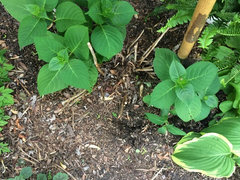
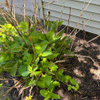
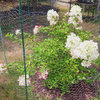
This hydrangea has been a poor bloomer, but always big healthy foliage. This year it seems to be dying from the inside out. You can see in the photo that there are a few green canes around the perimeter, but the rest of the year's new growth is shriveled and brown. It seems to be dying one cane at a time.


any thoughts on what could be happening? I'm worried that if it's an infection of some sort anything I put in as a replacement will suffer the same end.

Comments (15)

  • 10 years ago

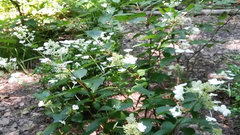
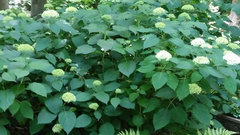
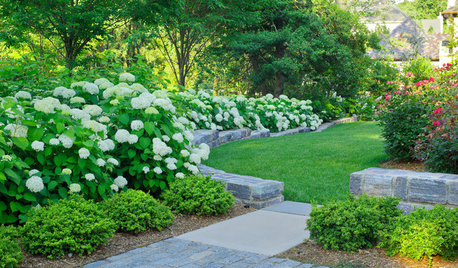
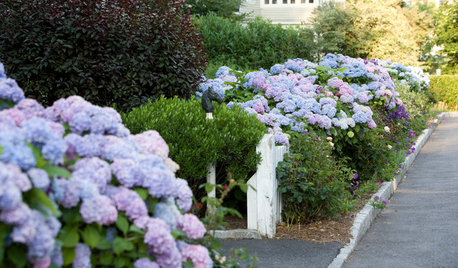
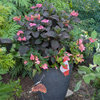
    cold weather..not dead..just unattractive and flowerless..unlikely to perform in your zone..MANY posts about this..so sick of mine I ripped it out..try other types..some pics of the ones that work for me.. Quickfire and Annabelle..

    fairlywell thanked nicholsworth Z6 Indianapolis
  • 10 years ago

    Luis_pr, in past years drainage has not been an issue. I bought mulch from a different supplier this year, so my fear is that introduced a fungus/root rot. Thank you for the thoughts on digging it up- that can't possibly hurt at this point!


    nicholsworth55, your garden is gorgeous! If my problem were just lack of bloom I would continue living with it. The healthy foliage is attractive even without blooms. But in this case I'm leaning towards replacing with a Little Lime or another paniculata. Thank you for the pictures!

  • 10 years ago
    last modified: 10 years ago

    I would think that the roots would be strong and healthy and able to fight off infections but anything is possible. I get mulch from everywhere and, knock on wood, have not had a problem so far.

    I know about keeping those mopheads. Paniculatas can be tiresome as they just do the white-pink colors. You have to branch into the likes of Limelight, Pinky Winky and Vanilla Strawberry to get some bloomage that is slightly different.

    I grow my Little Lime in full but bright shade and I like the effect that this has on the blooms. The lime color stays "on" thru the Fall. It does not turn "off white" but switches to green-pink in Oct-November and then browns out. I prefer the "more pure white" white bloom color from the regular Limelight anyway so this works great for me! I added Little Quickfire because I like its Fall leaf colors.

    If you were absolutely sure that there is no root rot going on and no wet soil issues, I would also consider compact oakleaf hydrangeas. Awesome leaf colors in the Fall! But they are hardy to Zone 5 so, like mopheads, they could have times when winter weather kills the old wood only flower buds.

  • 10 years ago

    Why don't you cut out the dead stuff? I agree with nicholsworth55 as it is probably from too much cold due to your zone. I am guessing the foliage shown is all new this year? You could try winter protection schemes if you want to persist on growing it out of its "comfort zone".

  • 10 years ago

    I do not think fairlywell is talking about the dead stems but rather some stems whose sad looking leaves are still on the stems, recently dried out looking, not brown yet.

  • 10 years ago

    That is what I was talking about too Luis - cut out the dead stuff, even dig out the dead roots. Obviously there are some healthy shoots on both sides of it so maybe those have found a happy medium (or media in this case). The dead leaves and littler may add to any problems already in the area and perhaps infect the healthy shoots.

    fairlywell thanked hc mcdole
  • 10 years ago

    Hc mcdole, your advice sounds like what Luis suggested as far as digging up the plant and checking the roots, but you think I could get away with less digging! I think I'll dig up the whole thing and will report back if it's interesting.

    I'm less concerned with saving this plant (sorry, poor bloomer in my zone!) than with giving the next occupant a good chance at success. I've never seen anything like this, it's definitely something more than the winter kill we always see in NW Illinois. These stems were new summer growth that browned and died over the last month after coming in nice and green. I'm sure the roots are damaged by something, I just don't know what.

  • 10 years ago

    I didn't realize the dead stems in the middle were ever alive this season..thought they were diebacks from last year..now I understand your question better..but I don't know the answer..

  • 10 years ago

    The ground around the dieing area looks very dark and wet, which means too much water. My guess is that the normal dormant leafless zone often seen in the middle of more mature hydrangeas made it look like it needed care. Watering was way to frequent and a rot started. I would greatly reduce the watering first. I dig it up and divide so that rot area ends up at the sides not middle. The lack of blooming usually means that his variety blooms on old (last years) wood only. You are either in a cold climate and the older woody stem ends dies each winter, or this plant gets the older wood ends prunned off each fall or winter. So it never gets to set buds in the fall and winter.

    From your photo the center of the bush was clearly trimmed, removing the blooming section of the plant! If it happen after August these stens never got the chance to flower.

    Many older hydrangea types with awesome Florist quality flowers only bloom on old wood! And some want to get over 3' tall before they try to flower much. if you have to trim, prune them late summer, right after flowering so that some fall growth can occur and set buds for next spring.

    A better way to prune these and keep bush flower production is remove some of the canes from the base to thin when needed. When you need to shorten the bush, remove some of the stem ends eg no more than 1/2 to 1/3 of them, leaving 1/2 OR 1/3 of their length. This way you get more growth power to get bigger flowers on the uncut stems. The cut stems will grow to give next years flowers. And the long stems that just bloomed are the ones next to prune after flowering.

    This pruning method keeps a more uniform plant height at bloom stage each year! Cutting stems to 1/3 length gives two layers of flowers, so that the bush looks packed inside and out with flowers, which looks great on more leggy shaped growers, that have less density of stems.. Prunning to 1/2 length gives flowers only on the outside of the bush (next year) with the inside of the bush packed with leaves.

    Make sense?

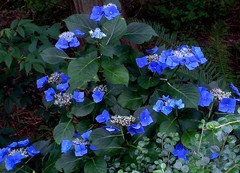
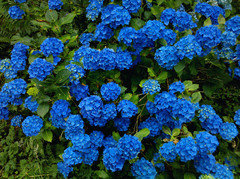
    Photo our Teller Blue, on acid soil in shade where it gets less stem density, trimmed with 1/3 length method for layered flower look. Leggy hydrangeas look nice this way!

  • 10 years ago

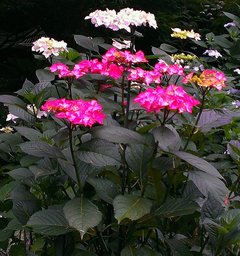
    Dark stemmed Nigra (back) and Selina (front) in shade with 1/2 of length prunning method so bloom on tops.

    We've had about 40 kinds of hydrangeas, in a wet climate, grown in a shady area. Only time I've seen center rot in hydrangeas (and whole plant rot in roses or lilies) was when I watered too much during the active growing season, or the area didn't drain well enough. And yes ... i have learned the hard way the difference between keeping moist and loving a favorite plant to death with too much water. Roots need area to live. This is why peat moss is so great in potting mixes. It can hold abundant water but let air circulate so that the soil doesn't sour with microbe growth.

  • 10 years ago

    Sorry most plant roots need AIR to live, unless the species is adapted to bog or pond habitats.

  • 10 years ago

    As for replacing with a Paniculata. Caution! You have healthy hosta and ferns there. And your leaves on hydrangea have a soft look I see on shade grown hydrangeas. So my guess this is a shady area. Many Macrophylla need some sun to bloom well search for lists of Shade Tolerant hydrangeas. Paniculatas often love sun, most don't like shade. Paniculata Bobo is small and perhaps more shade tolerant than others on the group. For Macrophylla if you like white try Lanarth White or Sister Theresa. If you like blue or pink and 4 to 5.5 feet tall plants try Mathilda Gutges or Nikko Blue and play with pH.

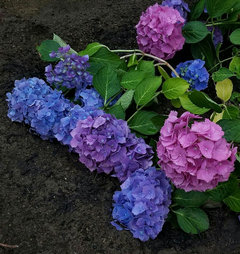
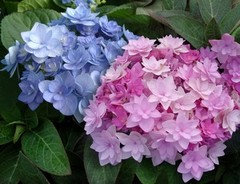
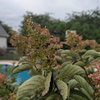
    Photo: pH test to get multicolors in freshly planted Mathilda Gutges. There's a narrow range to get purple!

    Or give it more acid soil with aluminum sulphate and let it get to mature 4-5' height.


    .

  • 10 years ago

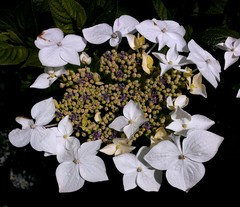
    Lanarth White is a standout. Here in shade ... amazing starts as awesome dogwood like flowered lacecap. Florets keep opening over long time to make more of a flat mophead. Lasts well as a cut flower too. Compact heavy bloomer only 2 to 4' for heavy bloom height. Abundant large flowerheads, on a compact plant is something I can live with.

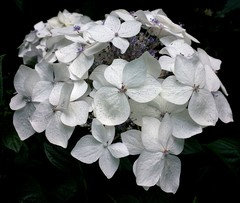
    Compact, for shade, lacecaps that continue to open flowers over time try the new Wedding Gown (double flowered white) or one of the You and Me series for color.

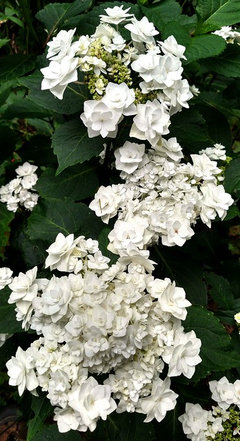
    Photo Wedding Gown in our yard.

    Photo You and Me 'Passion' in pink ... can be or baby blue color (two plants one each with acid or base pH adjustment in internet photo).

  • 9 years ago

    Update from spring 2017: my "dying from the middle" hydrangea did exactly that. This spring it started leafing out from two separate places. I dug it up carefully (GIANT hole!) and found that the root mass in the center was brittle and fell apart. However, it looks as though I may have two healthy plants from the split! I transplanted those two elsewhere, and have planted in this place an Annabelle. I've had better luck with Annabelle blooms (zone 5, NW Chicago) so I'm hoping for better performance in this site.

    thanks for all the advice and hypotheses!