

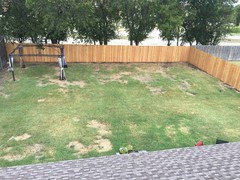
Bermuda not regrowing after Round Up
10 years ago
Featured Answer
Sort by:Oldest
Comments (9)
 10 years ago
Related Professionals
Louisville Landscape Architects & Landscape Designers · Tupelo Landscape Architects & Landscape Designers · Cookeville Landscape Architects & Landscape Designers · Memphis Landscape Architects & Landscape Designers · Plattsburgh Landscape Architects & Landscape Designers · Jonesboro Landscape Contractors · Madison Landscape Contractors · Baton Rouge Landscape Contractors · Branson Landscape Contractors · Gloucester Landscape Contractors · La Crosse Landscape Contractors · Toms River Home Builders · Beaumont Home Builders · Kingman Home Builders · Mesquite Home Builders- 10 years ago
- 10 years ago
- 10 years ago
 10 years ago
 10 years ago
- 10 years ago
Related Stories

FRONT YARD IDEASBefore and After: Front Lawn to Prairie Garden
How they did it: Homeowners create a plan, stick to it and keep the neighbors (and wildlife) in mind
Full Story
GARDENING GUIDESLush, Foodie Abundance in a Small Urban Garden
This modest backyard garden provides its owner with fruit and vegetables all year round, thanks to an innovative low-maintenance approach
Full Story
LANDSCAPE DESIGNEnergize Your Landscape With Masses of Grasses
Create year-round interest with waves of attention-getting grasses for all kinds of yards
Full Story
GARDENING GUIDESCool-Season Vegetables: How to Grow Chard
A year-round garden favorite with a colorful stem, Swiss chard comes into its own in early spring and in fall
Full Story
WINTER GARDENINGPruning Secrets for Exquisite Roses
Encourage gorgeous blooms year after year with this time-tested advice on how to prune your rosebush in winter for health and shape
Full Story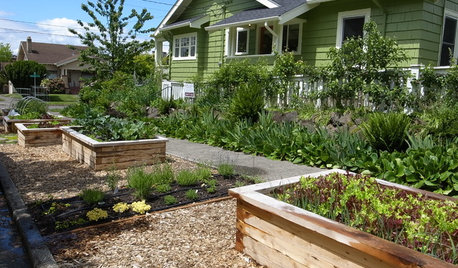
FARM YOUR YARDHow to Farm Your Parking Strip
Get an up-close look at a thriving street-side edible garden, one of many sprouting up in Seattle
Full Story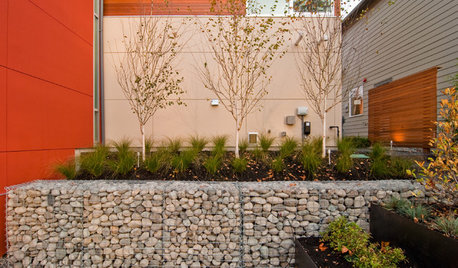
LANDSCAPE DESIGNGarden Walls: Gabion Evolves From Functional to Fabulous
The permeable rock-, concrete- or glass-filled steel cages are showing up as retaining walls, planters, benches and more
Full Story
GARDENING GUIDESYour Garden Is Stirring — Here’s What to Do in February
February is a good time to start seeds, shape up shrubs and watch for the earliest blooms. Here’s what to do in your part of the U.S. now
Full Story
FEEL-GOOD HOMEStop That Draft: 8 Ways to Keep Winter Chills Out
Stay warm without turning up the thermostat by choosing the right curtains, windows and more
Full Story
GARDENING GUIDESNew Ways to Think About All That Mulch in the Garden
Before you go making a mountain out of a mulch hill, learn the facts about what your plants and soil really want
Full Story

dchall_san_antonio