Software
Houzz Logo Print
donaldas85

New Lawn: The Plan

10 years ago
last modified: 10 years ago
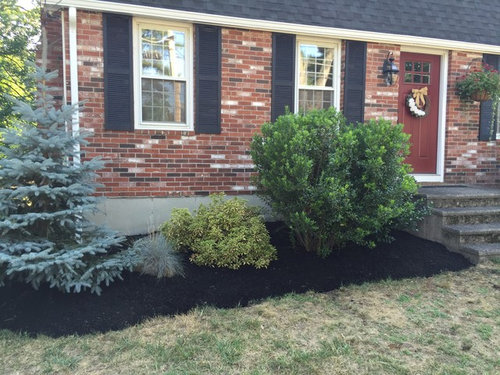
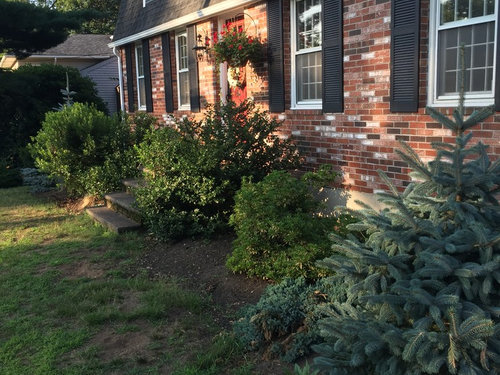
I purchased a home this June, the front lawn (roughly 1,000sqft) was neglected for years by previous owners. With the summer heat coming to an end I think it's about time to get the lawn going again.

My plan: remove the old (Mostly crab grass) lawn, rocks and roots, test/amend/test soil (do I need starter fertilizer?), add 1-2 inches of topsoil or loam (most likely 6yards) to smooth out any low spots, seed and lightly cover with hay/peat moss, and, finally, water water water.

I've read several conflicting comments regarding rototillig, I'm all for attempting to not bring more weeds into the mix so I've decided to forego this step. Also, I'm against chemically killing my lawn so I'll be cutting it out and removing it before topsoil/loam.

I would certainly appreciate any feedback that you may have regarding my intended plan. Thanks in advance.

Also, here's a taste of what I'm working with:

Comments (8)

  • 10 years ago

    Hi,

    I would definitely avoid rototilling.....there is no need for that. If you think your lawn is "hard", you could water it more and spray some clear shampoo on it and it will help loosen it up......aeration could be good as well and you can get those cheap "stand on" spikes from HD considering you're lawn area isn't huge.

    If you want to avoid chemically killing your lawn (to each his own but round up would make this process a heck of a lot easier) then your plan to remove it and bring in new soil is fine......however, you will bring in all new weed seeds with that soil so you might want to think of applying tenacity to keep the weeds at bay. When you do bring in more soil to replace what you removed, be sure to not change the grade and have it rolled down so it doesn't sink and become uneven over time.


    Hay and peat moss are fine, if you feel you need it. Key here is to keep it wet so if you can't do 3 times a day, the hay/PM will help. Starter Fertilizer is a good think to put down as well.

    What kind of seed are you looking to use?

  • 10 years ago

    If you are ideologically opposed to the use of chemicals it will be very very hard to keep the lawn from turning into a weed field every summer. Keep that in mind as you invest money into this renovation, you're going to be in about the same spot this time next year. 1 ounce of prodiamine in the spring and a few ounces of herbicide for spot spraying can keep that size area weed free for the year.

    My only comment would be do not use hay. It is full of seed and you'll be fighting off the nasty weeds for many many years to come.


  • 10 years ago

    Not chemically killing your lawn means you will need to use chemicals to treat the host of issue your plan will create. Removing soil and replacing it with "new" soil is of little benefit without knowing the chemistry of what you have versus what you are bringing in. The idea sounds nice but if you are going for a completely chemical free lawn, then you need to mechanically kill your current lawn and work with what you have. If you get started smothering your lawn now it would be ready by next Fall.

  • 10 years ago

    Thanks for the comments all! How long would the RoundUp route take to kill the lawn and would any of you suggest using only the soil that's left after that process? I'm beginning to think it might be easier (as many have mentioned). We're nearing the end of August, would I still have time to RoundUp and seed? We've had a very hot summer in MA so I think the ground temp would still be idea for germination heading into mid/late September.

    also, I was planning on using Pennington's Northeast Mix...any complaints?

  • 10 years ago

    usually for a reno (which you're looking to do) you do 2 rounds of roundup. apply it and continue watering to sprout other weeds. in about a week, you'll see dead weeds and you'll want to spray anything thats new and green. As for the soil, feel free to level out spots if you want but don't pile it up in any one area where you change the drainage. I think you could spray today, again next weekend. Scalp and bag all that is dead and plant the weekend of Sept 2.

  • 10 years ago

    If you do not have a 2-inch drop off from your concrete walkways to
    the top of the soil, then you do not need 2 inches of topsoil. There's
    no ambiguity about rototilling on this forum. The problem is less
    about new weeds and more about creating a lawn surface that gets bumpier
    and bumpier over the next 3 years. As the fluffy rototilled soil settles, it settles unevenly leaving it bumpy.

    I am an organic kind of guy, but I have come to recognize the benefit of careful herbicide use. I have seen people become extremely frustrated pulling weeds or trying this or that organic remedy for weeds. Had they dosed it one time with Weed-b-Gon they would have had a much more pleasant lawn experience. With that in mind here's what seems to work to get started with minimal hassle and frustration: Water 3x per day for a week to sprout all the weed seeds you might have. Spray with RoundUp remembering that herbicides are foliar sprays, not soil drenches. Continue watering for another week to sprout any late coming weeds and spray again with RU. Then you're ready to seed. Well, scrape away the dead grass and weeds first. Scatter the seed and roll it down. You don't need straw although telling some people that is like talking to a wall. Mother Nature does not cover Her seed with straw. She does; however, stampede or at least walk Her hooved animals over new seed to get good seed contact with the soil. If you do this RU twice, you should have minimal weeds now and in the spring. Then when you apply the seed and water, the only plants coming up should be your new grass. You can treat it organically with fertilizers like Milorganite, soybean meal, corn meal, corn gluten meal, alfalfa pellets, or any other ground up nut, bean, or seed you can find at your local feed store. The application rate is 15 pounds per 1,000 square feet.

    You don't need a starter fertilizer until you have roots in the ground to take up the fertilizer. Chemical fertilizers don't work on soil. Organic fertilizers DO work on soil.

  • 10 years ago

    You don't need a starter fertilizer until you have roots in the ground to take up the fertilizer.

    That's about day 4 for fescue and PRG :-)