Software
Houzz Logo Print
prox2047

Is this crown rot?

10 years ago
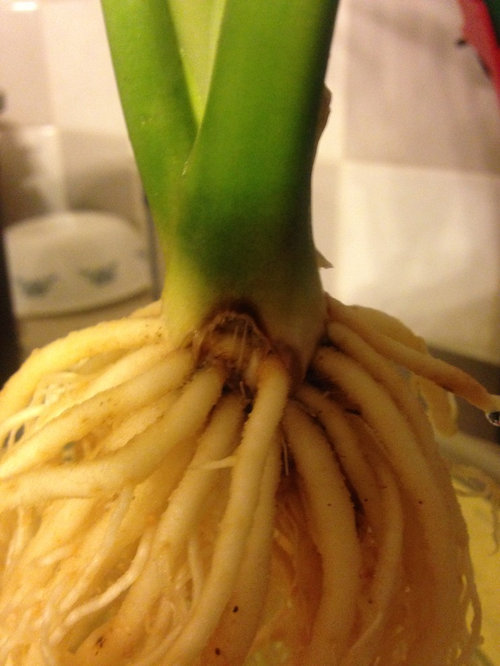
A few days ago I was looking over one of my potted hostas and noticed a mark on the plant right at the soil line. Pushing the soil back I saw a small brown patch right above the roots. Out of both concern and curiosity, I quickly grabbed a small knife and poked it gently. It was very soft and punctured easily. I ended up cutting out most of the brown part and let it be for the night. The next day I got it out of the pot and noticed a second smaller mark on the other side of the crown. I cut away some of that and rinsed all the soil off and soaked it for 30 min in 10% bleach. I was surprised at how great the roots looked. After that repotted in new soil and watered. I want to mention that this was a Hosta I recently got from hollisons nursery and when I potted it I put the crown a little higher than it had been at the nursery to avoid this kind of thing. Nailed it. Also I have yet to see any webbing or fungus balls anywhere on the plant/soil. The pics enclosed are two different areas after the bleach bath and cutting. Is this indeed crown rot? Soft rot? Cancer?!

Hostacles · More Info

Hostacles · More Info

Comments (13)

  • 10 years ago

    No. That is where a new bud is forming for next year. To satisfy your curiosity, you could pull that leaf off and you will see a new little bud at the base. That is how I found out! Your roots look beautiful, firm and white.

    -Babka

  • 10 years ago

    Thanks so much for the response. That was actually a possibility I had thought of. I'd seen new buds come up before on others, but never noticed brown spots prior. I still have much to learn about these plants...

  • 10 years ago

    Yes, the brown goes up the stem of the leaf, as Fall comes along. With crown rot, the crown gets mushy when you push down on it. You will learn a lot from just observing and handling plants. It is a lot of fun, even sometimes when you have a plant rot, you will find a bit of it that still wants to grow. A bleach job and loving care and it will come back. Hostas are really tough...unless you pay $$$ for a special new one that you fall in love with. THAT one will die fer sher!

    -Babka

  • 10 years ago

    Soft rot smells awful, as my sensitive nose recalls, for future reference as a tell tale sign.

  • 10 years ago

    But be careful with bleach. It can often do more damage when soaking in it, and there is really only anecdotal evidence about it working to cure any major fungal diseases. Those roots look healthy and I would agree it could just be the new buds pushing the stems out of the way. If you find that suddenly the roots start to rot away it was from the bleach.

  • 10 years ago

    How dilute? I tossed Golden Gate because the new flush of leaves had no petioles just like the ones this spring. I caught the Southern Blight early last year, used flutolanil on it and it seemed to survive quite nicely, only lost two leaves. Then this spring the petioles didn't extend and the leaves were all bunched together and rotted. Second flush of leaves were the same and I gave up. I'd like to try bleach, especially due to the price differential. Flutolanil is $$$.

  • 10 years ago

    I'm with Chris on this bleach thing. He told me not to do it, but I had tried everything else. So, I did it. It did not seem to help with with the fungal disease I had/have.

    bk

  • 10 years ago

    This spring I experienced root rot in approximately six hosta. I bare rooted the hostas and cleaned up the dead roots. I gave it a bleach soak and repotted. None of the hosta survived. So what happened? My conclusion is that I used too strong a concentration of bleach. I realized that I did not have the regular bleach which has a concentration of 5.25% sodium hypochlorite. I had Ultra Clorox and Concentrated Clorox. I discovered that Clorox Concentrated has 8.25% sodium hypochlorite. The amount of sodium hypochlorite is not written on the bottles anymore, and Clorox original is becoming harder to find as reduced packaging is becoming more popular. So beware and adjust your bleach solution mix accordingly.

  • 10 years ago

    Newhostalady, yes bleach dilution is critical; if your nose reacts sharply when you smell the diluted water it is too strong, just like your laundry use.

    I also cannot address why your plants died although I do not grow hosta in pots, only the ground. Having used bleach in our family greenhouses for almost 40 years and then with almost all our hosta divisions for the past 60 years, it is standard operating procedures for root and plant cleanliness.

    If you get in the habit of bleaching all your roots, divisions and even tissue culture starts you will have better plant health. Bkay, not sure why bleach didn't work for you and the diseases you had.

    Bruce

  • 10 years ago

    Good point, NHL re concentration numbers of s.h.but unfortunate that you lost six to root rot despite the treatment. Some are just tougher than others I guess.

    Bruce, as always you offer up good advice and good old common sense...as well as your expertise. Appreciate it. :-)


  • 10 years ago

    If only there was a magic bullet to solve our hosta disease issues.....

  • 10 years ago

    I use 1 part household bleach and 9 parts water. When I get rot, I hose off all the soil/media with a strong force hose end sprayer. That takes care of most of the yucky stuff. Then I pull off any mushy roots that are left and cut off any soft crown. If what is left is too puny, I toss it.

    Then the plant goes into a small bucket with the bleach solution for about 5 or 10 minutes. Never thought about rinsing them after. I just lay them out on the sidewalk and then pot them up in fresh media in smaller pots.

    I have saved a number of hostas that way over the years. In pots, if you don't do something, the rot will take over, so I do what I can to save them. My efforts work about 95% of the time for me.

    Catching the damage early probably makes a difference. Whenever I see a shoot drooping or turning yellow/brown prematurely, I slip the plant out of the pot to see how the roots are doing. That isn't so easy when hostas are in the ground.

    -Babka