

Lowest-maintenance "lawn"
10 years ago
last modified: 10 years ago
Sort by:Oldest
Comments (3)
Related Stories
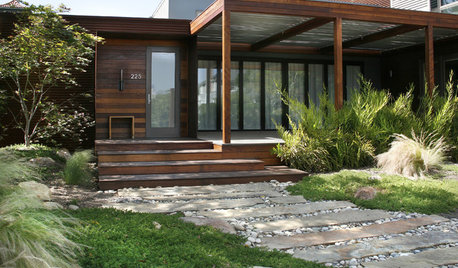
LANDSCAPE DESIGN7 Low-Maintenance Lawn Alternatives
Turf isn't the only ground cover in town. Get a lush no-grass lawn with clover, moss and other easy-care plants
Full Story
KITCHEN COUNTERTOPS7 Low-Maintenance Countertops for Your Dream Kitchen
Fingerprints, stains, resealing requirements ... who needs ’em? These countertop materials look great with little effort
Full Story
KITCHEN COUNTERTOPSKitchen Counters: High-Tech Solid Surfaces Make Maintenance Easy
Sculpted by heat and nonporous by nature, solid-surface countertops bring imagination and low maintenance to the kitchen
Full Story
MONTHLY HOME CHECKLISTSYour Fall Home Maintenance Checklist
Prep your house and yard for cold weather with this list of things to do in an hour or over a weekend
Full Story
FALL GARDENINGGreat Design Plant: Low-Maintenance Allium Cernuum
Nodding onion is a Mid-Atlantic native bulb with beautiful midsummer blooms
Full Story
MONTHLY HOME CHECKLISTSYour Winter Home Maintenance Checklist
Keep your home and yard safe and running smoothly as temperatures drop and activity moves indoors
Full Story
CURB APPEALEntry Recipe: Low-Maintenance Meets Contemporary Curb Appeal in Canada
A neighborhood-appropriate mix of textures and colors invites visitors to linger as they approach
Full Story
GREAT HOME PROJECTSHow to Replace Your Lawn With a Garden
New project for a new year: Lose the turfgrass for energy savings, wildlife friendliness and lower maintenance
Full Story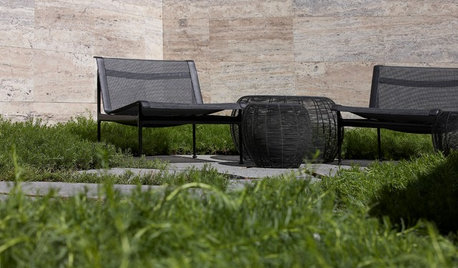
FLOWERS AND PLANTSMyoporum Parvifolium a Lush Green Alternative to the Lawn
Plant this Australian native in mild-winter climates as a low-maintenance, semi-drought-tolerant ground cover
Full Story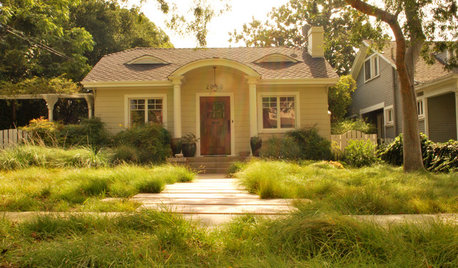
MOST POPULARMeet a Lawn Alternative That Works Wonders
Carex can replace turfgrass in any spot, is low maintenance and adjusts easily. Add its good looks and you’ve got a ground cover winner
Full Story
Sponsored
dchall_san_antonio
Ontario_Canada5a_USDA4bOriginal Author
Related Professionals
West Palm Beach Landscape Architects & Landscape Designers · Plainfield Landscape Architects & Landscape Designers · Boise Landscape Architects & Landscape Designers · McComb Landscape Contractors · San Antonio Landscape Contractors · Rockford Landscape Contractors · Niles Landscape Contractors · Lancaster Landscape Contractors · Ashland Home Builders · Gulfport Home Builders · Elgin Home Builders · Springfield Home Builders · Guymon Home Builders · Del Rio Home Builders · Ottawa Home Buildersdchall_san_antonio