

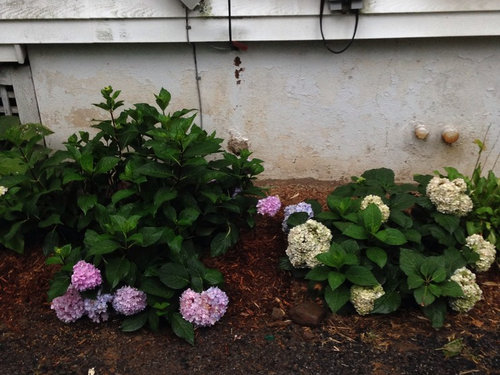
ES hydrangea color changing
10 years ago
Sort by:Oldest
Comments (5)
Related Stories

GARDENING AND LANDSCAPINGHave a Ball With Hydrangeas
Even if you don't tinker with the hue by changing the soil, hydrangeas have an entertaining range of uses in all kinds of landscapes
Full Story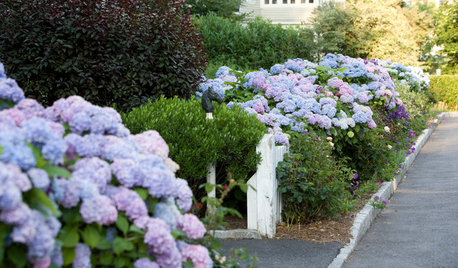
FLOWERSWhy You Should Give Hydrangeas a Place in Your Yard
The exuberant mop-headed beauties evoke dreams of an endless summer by the sea
Full Story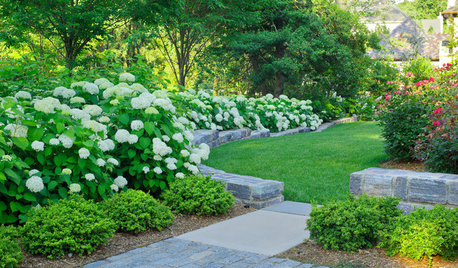
FLOWERS AND PLANTSHydrangea Arborescens Illuminates Garden Borders and Paths
This long-blooming eastern North American native shrub finds a home in landscapes around the world
Full Story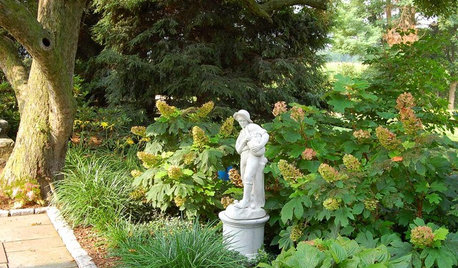
GARDENING GUIDESGreat Design Plant: Oakleaf Hydrangea
Consider this full, flowering shrub for year-round beauty in the garden as you plan your fall plantings
Full Story
GARDENING GUIDESCalifornia Gardener's June Checklist
Update your hydrangeas, catch up on tomatoes and more ways to enjoy your California garden in June
Full Story
LIFETrue Confessions of a House Stalker
Letting go when a new owner dares to change a beloved house's look can be downright difficult. Has this ever happened to you?
Full Story
HOUZZ TOURSMy Houzz: Peek Inside an Artist’s Updated Shotgun Home and Studio
Gorgeous art and elegant style befit this New Orleans live-work property
Full Story
DECORATING GUIDESSo Your Style Is: Cottage
Cheerful, laid back and welcoming, cottage style feels like a giant hug. Find out how to make this appealing look work its magic
Full Story
MOTHER’S DAYSurprise Mom With an Elegant DIY Bouquet
For Mother’s Day, use flowers and branches from your local market or backyard to create this pastel beauty
Full Story
GARDENING GUIDES8 Plants for a Deliciously Fragrant Fall Garden
Scent the autumn air with the perfume of caramel corn, honey and spices by adding these intoxicating plants to your landscape
Full Story
arcy_gw
luis_pr
Related Professionals
Barnstable Landscape Architects & Landscape Designers · Saint Cloud Landscape Architects & Landscape Designers · Rome Landscape Contractors · Wichita Landscape Contractors · Hannibal Landscape Contractors · Lawrenceburg Landscape Contractors · Dubuque Landscape Contractors · Saint Cloud Landscape Contractors · Mansfield Landscape Contractors · Tupelo Design-Build Firms · Ardmore Design-Build Firms · Lawrenceburg Design-Build Firms · Wheeling Design-Build Firms · Ontario Design-Build Firms · Ottawa Design-Build Firmsgardengal48 (PNW Z8/9)
NHBabs z4b-5a NH
Heruga (7a NJ)Original Author