

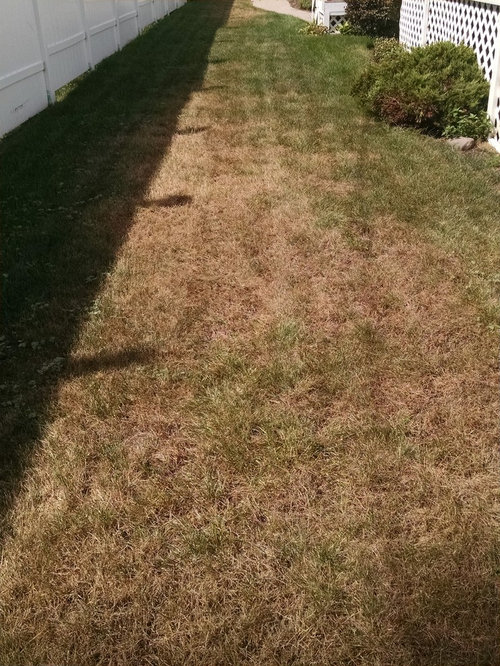
Brown patches
10 years ago
Sort by:Oldest
Comments (3)
Related Stories
CURB APPEALWhen to Paint Your House Brown
Nature loves brown, from rich soil to sunlit sand, and so do home exteriors with a traditional or Craftsman bent
Full Story
GARDENING GUIDESHow to Fix Bare and Yellow Lawn Spots
Restore your turf’s good looks by reseeding unsightly patches
Full Story
GREAT HOME PROJECTSReady to Repaint Your Home’s Exterior? Get Project Details Here
Boost curb appeal and prevent underlying damage by patching and repainting your home’s outer layer
Full Story
EDIBLE GARDENSHow to Grow Your Own Sweet Summer Crops
This guide will help any gardener get started on growing the freshest warm-season veggies and berries for summer
Full Story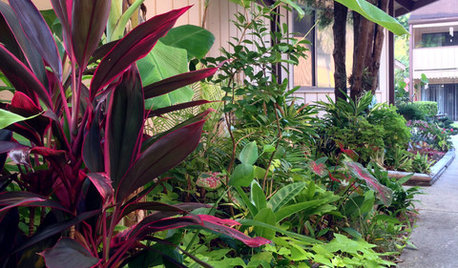
GARDENING GUIDESA Mom, a Garden and a Gift for the Neighbors
Gardening can be therapeutic in unexpected ways. See how one gardener found peace and purpose in a patch of Florida soil
Full Story
DIY PROJECTS29 Home Projects to Make You a DIY Superstar
Patch up holes, turn trash to treasure, erase stains ... these doable DIY projects will better your home and boost your ego
Full Story
HOUZZ TOURSHouzz Call: Show Us Your Farmhouse!
Bring on the chickens and vegetable patches. If your home speaks country, it might appear in a featured ideabook
Full Story
LANDSCAPE DESIGN10 Ideas for a Creative, Water-Conscious Yard
Check out these tips for a great-looking outdoor area that needs less water
Full Story
HOUSEPLANTSPlay Up Some Fiddleleaf Figs for a Lively Indoor Tune
Strike a dramatic chord in a minimalist scene or a country note in a rustic setting — fiddleleaf fig plants harmonize with any style
Full Story
GARDENING AND LANDSCAPINGHouzz Survey: See What Homeowners Are Doing With Their Landscapes Now
Homeowners are busy putting in low-maintenance landscapes designed for outdoor living, according to the 2015 Houzz landscaping survey
Full Story
Sponsored
dchall_san_antonio
btrimperOriginal Author
Related Professionals
Little Rock Landscape Architects & Landscape Designers · Lake Charles Landscape Architects & Landscape Designers · Southaven Landscape Architects & Landscape Designers · San Antonio Landscape Architects & Landscape Designers · Muncie Landscape Architects & Landscape Designers · Niles Landscape Architects & Landscape Designers · Sanford Landscape Architects & Landscape Designers · Little Rock Landscape Contractors · Ottawa Landscape Contractors · Owensboro Home Builders · Greenville Home Builders · Toms River Home Builders · New Haven Home Builders · Torrington Home Builders · Denver Home Buildersowlnsr