Software
Houzz Logo Print
okietexan

Kale question. Mine are needing help.

9 years ago
Howdy Everyone,


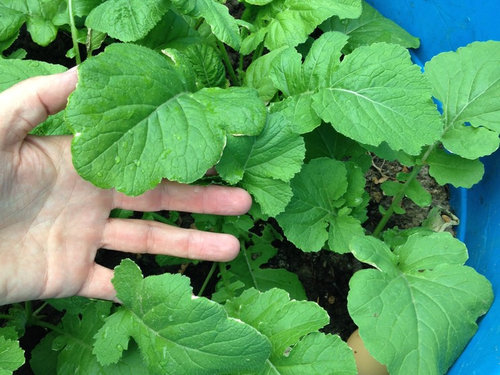
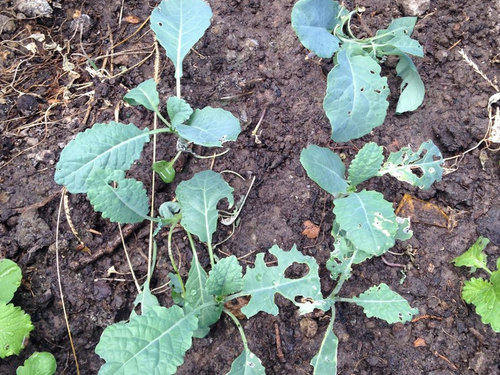
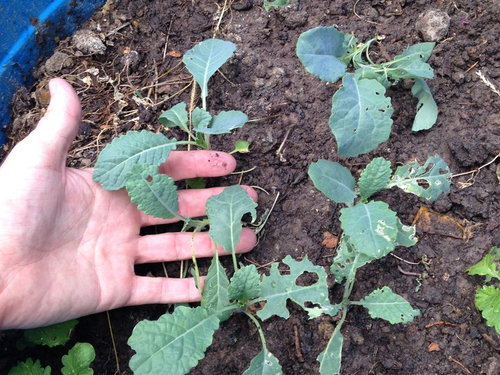
I planted some Kale about 21 days ago in a very large container (protein tubs used to feed cattle) with good soil. I planted some turnip greens at the same time in a different tub but same kind of soil. Seeds of both came up rapidly and the first week or so were neck-and-neck in growth. Then the Kale slowed down a lot. It was getting chomped by something too, but didn't seem enough to warrant the slowdown. Finally I decided to take pics and ask y'all. Oh, those are little turnips I planted right in there with the Kale not long ago. Figured if it was going to fail on me I might as well grow something that would succeed. Today those same little turnip greens are bigger as the Kale in the pics, and the healthy turnips you see in the 2nd pic have grown higher than the walls of the tub.


Oh, the Kale seeds were a bit old. Late 2013. But seems like almost every seed popped up.


Thanks,

Charles


The pathetic Kale:

Now for the undoubtedly vain turnips:


Another of the Kale.

Comments (12)

  • 9 years ago

    The turnips look great. The kale looks hot, tired, maybe a little hungry and definitely abused by whatever is eating it. Kale prefers cooler weather than we've been having, so I'd just be patient with it, keep it well-fed and well-watered, and try to keep the insects from devouring it. Have you seen what's eating it? It it were growing here at my house, the little culprits would be grasshoppers right now, or possibly fall army worms. You could spray the kale with the pesticide of your choice, and if you are organic, Spinosad or neem oil would be a good option for you. If the pests eating it are caterpillars, any product containing Bt 'kurstaki' would take care of them.

    For what it is worth, turnips are much more heat-tolerant than kale, and that's likely why the turnips are looking happier than the kale at this point. You can plant turnips in early August and they'll thrive despite the heat, but kale really doesn't take off and get going until mid-September or late-September weather brings a good cool-down in the weather, so I tend to plant it later than recommended so it won't have to fight so hard to survive the August heat.

    The age of your kale seed shouldn't be the reason the kale is struggling. Kale seed easily remains viable for 4 or 5 years. Kale appreciates regular feedings, using the water soluble fertilizer of your choice, especially when it is grown in containers, since regular watering leaches nutrients out of the soil-less mix used in containers. I usually feed it with something like liquid seaweed or liquid fish fertilizer, but any water-soluble fertilizer will do. Also, if you have compost available, topdressing the plants with fresh compost every 4-6 weeks helps keep the kale happier. If your plants have been growing in full sun, that might be the problem too. I keep my kale (both winter/spring kale and fall/winter kale) in containers at the west end of my garen so that the plants get shade from a very large pecan tree that sits west of the garden. Having morning sun/afternoon shade helps the kale thrive in what otherwise would be weather that is too hot for it at some points in the growing season. While kale can grow well in some fairly hot weather once it is established, heat can affect both its taste and texture, so I do like to give it protection from too much sun while the temperatures remain warm.

    I have my kale growing in a container with Micromesh netting draped over it to exclude insects. I haven't paid it much attention other than to water it when I am watering other containerized plants nearby, but it is doing well enough considering the daily highs still have been in the 90s. If you do not have any sort of summerweight floating row cover like Agribon, or Micromesh netting or something similar, you can buy tulle netting at a fabric or craft store and use it in a similar way to exclude pests from your plants. I have found that growing all plants in the brassica family under netting is the best way to keep it pest-free and can grow it without the use of any pesticides whatsoever if I keep it covered. Eventually we cool off enough that the pests aren't a problem in the fall and I uncover it then, but we aren't that cool yet.

    Once cooler weather arrives, the kale should be happier. Watch out for cabbage loopers or imported cabbage worms as well. There's been enough moisture this summer for some wild brassicas to survive in the fields here in southcentral OK, and when that happens, the brassica family pests that normally disappear in hot weather often manage to hang on throughout the summer and then ravage brassica plants in gardens in the fall. In a drier summer, the cabbage loopers and imported cabbage worms usually don't thrive and aren't around to be a problem in autumn.

    Hang in there with the kale. I suspect improved weather and a little pest control will make a difference in how it looks and how it performs. Kale is long-lived in the autumn/winter garden and often will produce well into winter. In a mild winter, it is likely to overwinter without much protection, so your kale should be able to produce for you for months and months yet.

  • 9 years ago

    I had tulle covering seedlings. It was new. The other day I found a hole and a cricket stuck in the folds by the hole. I've read that grasshoppers will eat screens. Do Agribon, etc, stand up better to that kind of attack? Nothing will stand up to a determined grand dog, but I was insulted by the cricket!

    I have kale and collards still in the ground from spring. The collards are still edible, but the kale is bitter. If I cut it back, will new growth in cool weather taste better or should I just yank them? They are kind of entwined with tomato plants.

    Okie Texan, I put brassica seedlings in the ground last fall and covered them with tulle. I watered through the tulle. Turned out the caterpillars were on the plants when I put them in the ground. Mine looked far worse than yours, but a few doses of BT and cool weather and they became thriving plants that survived all through our warm winter.

  • 9 years ago

    Thank you Dawn and Amy. I'll have to look up "tulle". I'll try to resurrect them. They look even worse now, no bigger but eaten up a lot more.

    I used the OSU Fall Gardening guide, and in fact planted later than the Sept 1 date they listed.

    Some more particulars: I've been trying to find what's eating at them, even went out at night with a flashlight. Will keep trying. Those holes don't look like grasshopper bites, but they other damage does. Grasshopper pressure has been low again this year but there are a few around. Dawn, I too have the plants on the West side of the house. They get morning sun and afternoon sun until about 2:30.

    Are Kale heavy feeders or demanding in some minerals? I have a mixture in these tubs, each of which contains about 10-12 full shovels: About 40% bottomland black clay (soil test shows almost perfectly balanced soil), and about 20% each of sandy soil around the house, peat moss, and well-rotted manure.

    I'm not surprised by the insect damage, but was by the dramatic slow-down in growth. Must be the heat like Dawn suggested bc I don't think these guys need fertilizer.

    I'll get some BT and Agribon or "tulle" and wait for cool weather. Really appreciate the feedback. I lurk here a lot, but just don't participate in conversation as much as I'd like. I'm really grateful for this forum. The land/ranch we have is outstanding, but it has wed us to the South-Central Oklahoma climate (not far E of Dawn, near Durant) and it can be very discouraging. The grasshopper plagues and the erratic dry-spells and unpredictable frosts are almost enough to make me give it up at times. It has really helped to get the advice of Oklahoma gardeners.

    Charles


  • 9 years ago

    Tulle is the netting they make wedding veils out of. Less than $2 a yard usually and some times on sale for even less. Not as durable as the agribon row cover.

  • 9 years ago

    I'm glad to see this. I plant kale and Swiss chard each year. Something eats the kale leaves clean off, but leaves the chard completely alone. They are planted next to each other. Then the leaves grow back and I think I'll get to eat some of my bounty and before I can, something eats all the leaves off again. Thought it might be a bunny that visits our neighborhood sometimes. I planned on putting a cage around it this year. But after reading this, I will add netting. I really appreciate this forum, too, Charles. The people here are wise and wonderful and patient.

  • 9 years ago

    Thanks Nowyousedum. That was the first thing that struck me: why the problems with the Kale when all other things were equal for the Turnips? Same soil, location, tub, watering, etc. I ordered some Agribon and Spinosad from Johnny's.

    Oh, I went out again last night but saw no caterpillars or any insects at all.

    Does anyone know if Kale has a particular preference for certain minerals? I thought the soil was fertile but I could definitely be wrong. I may just need to season it with a little something the kale likes.

  • 9 years ago

    The cabbage looper and/or cabbage worm may already be on a seedling if it's been exposed while being hardened off. There is this cute little white butterfly demon that deposits the eggs. Last year the worms grew fat UNDER my netting. I would spray seedlings with BT before planting and covering. I don't know if they could be washed off before planting. I don't know what the eggs look like. The worms are VERY camoflaged until they get big. I have found them on lettuce, too. I had my outside seedlings covered untill the grand dog came to play. Best laid plans....

  • 9 years ago

    Oh great. I wasn't looking for tiny worms. Thanks for this info. I was really bewildered about this. I thought I either had an invisible pest or one that always knew when I would come and go.

  • 9 years ago

    Ohmygoodness! I bought kale and mums to plant last week, then it poured rain and was too wet to plant. I've worked major overtime the past several weeks, so my plan was to plant this morning before we get rain again later today. Got home from work yesterday and the green, leafy baby kale from the day before had been eaten down to the nub. Maybe I just need to eat canned veggies.

  • 9 years ago

    The kale often will return from tiny nubs as long as you've gotten rid of whatever is eating it.

  • 9 years ago

    That's good to know. My Spinosad arrived. And my Agribon. Not to mention cooler weather. The counterattack is all ready. :)

Sponsored
Peabody Landscape Group
Average rating: 3.5 out of 5 stars8 Reviews
Franklin County's Reliable Landscape Design & Contracting