

Help...so many things wrong!
10 years ago
Featured Answer
Sort by:Oldest
Comments (7)
 10 years ago
- 10 years agolast modified: 10 years ago
Related Professionals
Montgomery Landscape Architects & Landscape Designers · Columbia Landscape Architects & Landscape Designers · Lawrenceburg Landscape Architects & Landscape Designers · Moline Landscape Architects & Landscape Designers · Olean Landscape Architects & Landscape Designers · Kennewick Landscape Architects & Landscape Designers · Dothan Landscape Contractors · Salisbury Landscape Contractors · Edison Landscape Contractors · Bakersfield Landscape Contractors · Chula Vista Landscape Contractors · California Design-Build Firms · Waterbury Design-Build Firms · Des Moines Design-Build Firms · Kearney Design-Build Firms- 10 years ago
- 10 years ago
- 10 years ago
- 10 years ago
Related Stories

LIFEYou Said It: ‘Every Room Should Have the Right Wrong Thing’ and More
This week on Houzz we were inspired to break out of catalog styling ruts and let our design freak flags fly
Full Story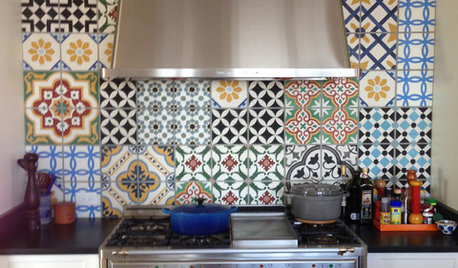
TILESo Many Reasons to Love Cement Tiles
You’ll notice their beautiful patterns right away, but cement tiles have less obvious advantages too
Full Story
MOVINGWhy So Many New U.S. Homes Are Supersized
A bigger share of new homes sold in 2015 were 4,000 square feet or more compared with before the recession. But that could change
Full Story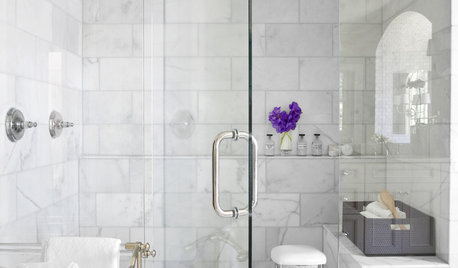
REMODELING GUIDESWhy Marble Might Be Wrong for Your Bathroom
You love its beauty and instant high-quality appeal, but bathroom marble has its drawbacks. Here's what to know before you buy
Full Story
GARDENING GUIDESWhat's Wrong With My Plant? Leaves Often Hold the Clues
Learn how to identify common plant ailments by reading their leaves
Full Story
COLOR8 Color Palettes You Can't Get Wrong
Can't decide on a color scheme? Choose one of these foolproof palettes for a room that feels both timeless and fresh
Full Story
REMODELING GUIDESKey Measurements for a Dream Bedroom
Learn the dimensions that will help your bed, nightstands and other furnishings fit neatly and comfortably in the space
Full Story
MOST POPULAR7 Ways Cats Help You Decorate
Furry felines add to our decor in so many ways. These just scratch the surface
Full Story
LIFESo You're Moving In Together: 3 Things to Do First
Before you pick a new place with your honey, plan and prepare to make the experience sweet
Full Story
LIFEYou Said It: ‘The Wrong Sink Can Make You Hate Your Kitchen’
Design advice, inspiration and observations that struck a chord this week
Full Story



NHBabs z4b-5a NH